Cinq (5) principes simples et universels de saine gouvernance | En rappel


Quels sont les principes fondamentaux de la bonne gouvernance ? Voilà un sujet bien d’actualité, une question fréquemment posée, qui appelle, trop souvent, des réponses complexes et peu utiles pour ceux qui siègent à des conseils d’administration.

L’article de Jo Iwasaki, paru sur le site du NewStateman, a l’avantage de résumer très succinctement les cinq (5) grands principes qui doivent animer et inspirer les administrateurs de sociétés.

quota-de-femmes

Les principes évoqués dans l’article sont simples et directs ; ils peuvent même paraître simplistes, mais, à mon avis, ils devraient servir de puissants guides de référence à tous les administrateurs de sociétés.

Les cinq principes retenus dans l’article sont les suivants :

Un solide engagement du conseil (leadership) ;

Une grande capacité d’action liée au mix de compétences, expertises et savoir-être ;

Une reddition de compte efficace envers les parties prenantes ;

Un objectif de création de valeur et une distribution équitable entre les principaux artisans de la réussite ;

De solides valeurs d’intégrité et de transparence susceptibles de faire l’objet d’un examen minutieux de la part des parties prenantes.

« What board members need to remind themselves is that they are collectively responsible for the long-term success of their company. This may sound obvious but it is not always recognised ».


What are the fundamental principles of corporate governance ?

« Our suggestion is to get back to the fundamental principles of good governance which board members should bear in mind in carrying out their responsibilities. If there are just a few, simple and short principles, board members can easily refer to them when making decisions without losing focus. Such a process should be open and dynamic.

In ICAEW’s  recent paper (The Institute of Chartered Accountants in England and Wales) What are the overarching principles of corporate governance?, we proposed five such principles of corporate governance.

Leadership

An effective board should head each company. The Board should steer the company to meet its business purpose in both the short and long term.

Capability

The Board should have an appropriate mix of skills, experience and independence to enable its members to discharge their duties and responsibilities effectively.

Accountability

The Board should communicate to the company’s shareholders and other stakeholders, at regular intervals, a fair, balanced and understandable assessment of how the company is achieving its business purpose and meeting its other responsibilities.

Sustainability

The Board should guide the business to create value and allocate it fairly and sustainably to reinvestment and distributions to stakeholders, including shareholders, directors, employees and customers.

Integrity

The Board should lead the company to conduct its business in a fair and transparent manner that can withstand scrutiny by stakeholders.

We kept them short, with purpose, but we also kept them aspirational. None of them should be a surprise – they might be just like you have on your board. Well, why not share and exchange our ideas – the more we debate, the better we remember the principles which guide our own behaviour ».

De son côté, l’Ordre des administrateurs agréés du Québec (OAAQ a retenu six (6) valeurs fondamentales qui devraient guider les membres dans l’accomplissement de leurs tâches de professionnels. Il est utile de les rappeler dans ce billet :

Transparence 

La transparence laisse paraître la réalité tout entière, sans qu’elle soit altérée ou biaisée. Il n’existe d’autre principe plus vertueux que la transparence de l’acte administratif par l’administrateur qui exerce un pouvoir au nom de son détenteur ; celui qui est investi d’un pouvoir doit rendre compte de ses actes à son auteur.

Essentiellement, l’administrateur doit rendre compte de sa gestion au mandant ou autre personne ou groupe désigné, par exemple, à un conseil d’administration, à un comité de surveillance ou à un vérificateur. L’administrateur doit également agir de façon transparente envers les tiers ou les préposés pouvant être affectés par ses actes dans la mesure où le mandant le permet et qu’il n’en subit aucun préjudice.

Continuité

La continuité est ce qui permet à l’administration de poursuivre ses activités sans interruption. Elle implique l’obligation du mandataire de passer les pouvoirs aux personnes et aux intervenants désignés pour qu’ils puissent remplir leurs obligations adéquatement.

La continuité englobe aussi une perspective temporelle. L’administrateur doit choisir des avenues et des solutions qui favorisent la survie ou la croissance à long terme de la société qu’il gère. En ce qui concerne la saine gestion, l’atteinte des objectifs à court terme ne doit pas menacer la viabilité d’une organisation à plus long terme.

Efficience

L’efficience allie efficacité, c’est-à-dire, l’atteinte de résultats et l’optimisation des ressources dans la pose d’actes administratifs. L’administrateur efficient vise le rendement optimal de la société dont il a la charge et maximise l’utilisation des ressources à sa disposition, dans le respect de l’environnement et de la qualité de vie.

Conscient de l’accès limité aux ressources, l’administrateur met tout en œuvre pour les utiliser avec diligence, parcimonie et doigté dans le but d’atteindre les résultats anticipés. L’absence d’une utilisation judicieuse des ressources constitue une négligence, une faute qui porte préjudice aux commettants.

Équilibre

L’équilibre découle de la juste proportion entre force et idées opposées, d’où résulte l’harmonie contributrice de la saine gestion des sociétés. L’équilibre se traduit chez l’administrateur par l’utilisation dynamique de moyens, de contraintes et de limites imposées par l’environnement en constante évolution.

Pour atteindre l’équilibre, l’administrateur dirigeant doit mettre en place des mécanismes permettant de répartir et balancer l’exercice du pouvoir. Cette pratique ne vise pas la dilution du pouvoir, mais bien une répartition adéquate entre des fonctions nécessitant des compétences et des habiletés différentes.

Équité

L’équité réfère à ce qui est foncièrement juste. Plusieurs applications relatives à l’équité sont enchâssées dans la Charte canadienne des droits et libertés de la Loi canadienne sur les droits de la personne et dans la Charte québécoise des droits et libertés de la personne. L’administrateur doit faire en sorte de gérer en respect des lois afin de prévenir l’exercice abusif ou arbitraire du pouvoir.

Abnégation

L’abnégation fait référence à une personne qui renonce à tout avantage ou intérêt personnel autres que ceux qui lui sont accordés par contrat ou établis dans le cadre de ses fonctions d’administrateur.

Articles reliés au sujet :

Effective Governance | Top Ten Steps to Improving Corporate Governance | Effective Governance (jacquesgrisegouvernance.com)

Vous vous préparez à occuper un poste d’administrateur d’une entreprise ? (jacquesgrisegouvernance.com)

Corporate Governance Quick Read – The role of the board is to govern (togovern.wordpress.com)

Fact and Fiction in Corporate Law and Governance (blogs.law.harvard.edu)

En reprise | Quelle est la raison d’être d’une entreprise ? Comment opère la gouvernance ?


Quelle est la raison d’être d’une entreprise sur le plan juridique ? À qui doit-elle rendre des comptes ?

Une entreprise est-elle au service exclusif de ses actionnaires ou doit-elle obligatoirement considérer les intérêts de ses parties prenantes (stakeholders) avant de prendre des décisions de nature stratégiques ?

On conviendra que ces questions ont fréquemment été abordées dans ces pages. Cependant, la réalité de la conduite des organisations semble toujours refléter le modèle de la primauté des actionnaires, mieux connu maintenant sous l’appellation « démocratie de l’actionnariat ».

L’article de Martin Lipton* fait le point sur l’évolution de la reconnaissance des parties prenantes au cours des quelque dix dernières années.

Je crois que les personnes intéressées par les questions de gouvernance (notamment les administrateurs de sociétés) doivent être informées des enjeux qui concernent leurs responsabilités fiduciaires.

Bonne lecture. ! Vos commentaires sont les bienvenus.


The Purpose of the Corporation


Résultats de recherche d'images pour « actionnaires définition »


Whether the purpose of the corporation is to generate profits for its shareholders or to operate in the interests of all of its stakeholders has been actively debated since 1932, when it was the subject of dueling law review articles by Columbia law professor Adolf Berle (shareholders) and Harvard law professor Merrick Dodd (stakeholders).

Following “Chicago School” economics professor Milton Friedman’s famous (some might say infamous) 1970 New York Times article announcing ex cathedra that the social responsibility of a corporation is to increase its profits, shareholder primacy was widely viewed as the purpose and basis for the governance of a corporation. My 1979 article, Takeover Bids in the Target’s Boardroom, arguing that the board of directors of a corporation that was the target of a takeover bid had the right, if not the duty, to consider the interests of all stakeholders in deciding whether to accept or reject the bid, was widely derided and rejected by the Chicago School economists and law professors who embraced Chicago School economics. Despite the 1985 decision of the Supreme Court of Delaware citing my article in holding that a board of directors could take into account stakeholder interests, and over 30 states enacting constituency (stakeholder) statutes, shareholder primacy continued to dominate academic, economic, financial and legal thinking—often disguised as “shareholder democracy.”

While the debate continued and stakeholder governance gained adherents in the new millennium, shareholder primacy continued to dominate. Only since the 2008 financial crisis and resulting recession has there been significant recognition that shareholder primacy has been a major driver of short-termism, encourages activist attacks on corporations, reduces R&D expenditures, depresses wages and reduces long-term sustainable investments—indeed, it promotes inequality and strikes at the very heart of our society. In the past five years, the necessity for changes has been recognized by significant academic, business, financial and investor reports and opinions. An example is the 2017 paper I and a Wachtell Lipton team prepared for the World Economic Forum, The New Paradigm: A Roadmap for an Implicit Corporate Governance Partnership Between Corporations and Investors to Achieve Sustainable Long-Term Investment and Growth, which quotes or cites many of the others.

This year we are seeing important new support for counterbalancing shareholder primacy and promoting long-term sustainable investment. Among the many prominent examples is the January 2018 annual letter from Larry Fink, Chairman of BlackRock, to CEOs:

Without a sense of purpose, no company, either public or private, can achieve its full potential. It will ultimately lose the license to operate from key stakeholders. It will succumb to short-term pressures to distribute earnings, and, in the process, sacrifice investments in employee development, innovation, and capital expenditures that are necessary for long-term growth. It will remain exposed to activist campaigns that articulate a clearer goal, even if that goal serves only the shortest and narrowest of objectives. And ultimately, that company will provide subpar returns to the investors who depend on it to finance their retirement, home purchases, or higher education.

This was followed in March by the report of a commission appointed by the French Government recommending amendment to the French Civil Code to add, “The company shall be managed in its own interest, considering the social and environmental consequences of its activity,” following the existing, “All companies shall have a lawful purpose and be incorporated in the common interest of the shareholders.” The draft amendment is intended to establish the principle that each company should pursue its own interest—namely, the continuity of its operation, sustainability through investment, collective creation and innovation. The report notes that this amendment integrates corporate and social responsibility considerations into corporate governance and goes on to state that each company has a purpose not reducible to profit and needs to be aware of its purpose. The report recommends an amendment to the French Commercial Code for the purpose of entrusting the boards of directors to define a company’s purpose in order to guide the company’s strategy, taking into account its social and environmental consequences.

Also in March, the European Commission in its Action Plan: Financing Sustainable Growthproposed both corporate governance and investor stewardship requirements:

Subject to the outcome of its impact assessment, the Commission will table a legislative proposal to clarify institutional investors’ and asset managers’ duties in relation to sustainability considerations by Q2 2018. The proposal will aim to (i) explicitly require institutional investors and asset managers to integrate sustainability considerations in the investment decision-making process and (ii) increase transparency, towards end-investors on how they integrate such sustainability factors in their investment decisions in particular as concerns their exposure to sustainability risks.

Further, the Commission proposes a number of other laws or regulations designed to promote ESG, CSR and sustainable long-term investment.

In addition to these examples, there are similar policy statements by major investors and similar efforts at legislation to modulate or eliminate shareholder primacy in Great Britain and the United States. While it is not certain that any legislation will soon be enacted, it is clear that the problems have been identified, support is growing to find a way to address them and if implicit stakeholder governance does not take hold, legislation will ensue to assure it.

_____________________________________

*Martin Lipton is a founding partner of Wachtell, Lipton, Rosen & Katz, specializing in mergers and acquisitions and matters affecting corporate policy and strategy. This post is based on a Wachtell Lipton publication by Mr. Lipton.

Top 10 de Harvard Law School Forum on Corporate Governance au 15 novembre 2018


Voici le compte rendu hebdomadaire du forum de la Harvard Law School sur la gouvernance corporative au 15 novembre 2018.

Comme à l’habitude, j’ai relevé les dix principaux billets.

Bonne lecture !


Résultats de recherche d'images pour « top ten »


Résultats de recherche d'images pour « Top 10 en gouvernance Harvard Law School »


Top 10 de Harvard Law School Forum on Corporate Governance au 8 novembre 2018


Voici le compte rendu hebdomadaire du forum de la Harvard Law School sur la gouvernance corporative au 8 novembre 2018.

Comme à l’habitude, j’ai relevé les dix principaux billets.

Bonne lecture !


Résultats de recherche d'images pour « top ten »


Résultats de recherche d'images pour « Top 10 en gouvernance Harvard Law School »


Top 10 de Harvard Law School Forum on Corporate Governance au 1er novembre 2018


Voici le compte rendu hebdomadaire du forum de la Harvard Law School sur la gouvernance corporative au 1er novembre 2018.

Comme à l’habitude, j’ai relevé les dix principaux billets.

Bonne lecture !


Résultats de recherche d'images pour « top ten »


Résultats de recherche d'images pour « Top 10 en gouvernance Harvard Law School »


L’activisme actionnarial sans frontières et sans limites


L’activisme actionnarial est de plus en plus en vogue dans les grandes entreprises publiques, partout à l’échelle de la planète.

Selon François Dauphin, ce phénomène mondial est dommageable à plusieurs titres. Son article soulève plusieurs exemples d’organisations qui ont été la cible d’attaques de la part de fonds de couverture (hedge funds).

Les effets négatifs de ce mouvement sont encore trop méconnus des Québécois et plusieurs grandes entreprises ne sont pas suffisamment vigilantes à cet égard. L’auteur mentionne les cas d’entreprises de chez nous qui ont été ciblées.

Les recherches qu’il a menées avec Yvan Allaire de l’IGOPP ont démontré « que les rendements obtenus par les activistes n’étaient pas supérieurs à ceux d’un groupe d’entreprises comparables, sauf lorsque les entreprises ciblées étaient vendues. Lorsque des améliorations opérationnelles étaient constatées, celles-ci provenaient essentiellement de la vente d’actifs, d’une réduction des investissements en capital ou en recherche et développement, de rachat d’actions ou d’une réduction du nombre d’employés. Bref, les avantages sur le plan du rendement financier s’expliquaient par des manœuvres à courte vue ».

François a accepté d’agir en tant qu’auteur invité dans mon blogue en gouvernance. Voici donc son article ; vos commentaires sont les bienvenus.

Bonne lecture !


Résultats de recherche d'images pour « activisme actionnarial »
Qu’est-ce que l’activisme actionnarial ? Définition d’une pratique aux multiples visages


L’activisme actionnarial sans frontières et sans limites

par François Dauphin*

Chargé de cours ESG-UQAM


Dans le cadre d’une conférence donnée à New York le 9 octobre dernier, Bill Ackman a dévoilé, dans son style habituel, que le fonds de couverture qu’il dirige, Pershing Square, a fait l’acquisition de 15,2 millions d’actions de Starbucks (une valeur de près de 900 millions de dollars). Après l’annonce, l’action a grimpé de 5 %, avant de clôturer la séance en hausse de 1,5 %, et le prix est demeuré relativement stable depuis, malgré la correction subie par les marchés durant la même période.

Les coups d’éclat se multiplient chaque année. Aux États-Unis, l’emblématique Campbell Soup est actuellement aux prises avec l’activiste Dan Loeb, de Third Point, qui menace de renverser le conseil d’administration au complet afin de prendre le contrôle de la compagnie. Le conseil en place se défend, accusant l’activiste de souhaiter faire vendre la compagnie en totalité ou en pièces détachées. L’ultime jury, composé des actionnaires de la compagnie, tranchera le 29 novembre prochain au moment de l’élection des 12 membres du conseil lors de l’assemblée annuelle.

Le phénomène de l’activisme actionnarial demeure relativement méconnu au Québec. Pourtant, des sociétés canadiennes ont fait l’objet d’attaques, parfois répétées, de ces actionnaires aux objectifs résolument à court terme. Seulement au cours de la dernière année, des sociétés comme HBC, Power Corp, Open Text et Aimia ont été ciblées. Elles s’ajoutent aux Canadien Pacifique, Tim Hortons et autres sociétés qui ont été profondément transformées par le passage d’un investisseur activiste au sein de leur actionnariat.

Le phénomène ne s’essouffle pas, bien au contraire. Selon les données compilées par la firme américaine Lazard, 62 milliards de dollars ont été déployés par 108 activistes dans le cadre de 193 campagnes activistes en 2017 (dans des entreprises ciblées ayant des capitalisations boursières de 500 millions de dollars ou plus [1]). Après 6 mois en 2018, 145 campagnes ciblant 136 entreprises ont déjà été enregistrées, un nouveau record.

Et ces campagnes portent fruit… Au cours de l’année 2017, les activistes ont ainsi gagné 100 sièges aux conseils d’administration d’entreprises ciblées, et un total de 551 administrateurs auront été déboulonnés au cours des cinq dernières années en conséquence d’attaques activistes. Voilà une statistique qui devrait faire réfléchir tout administrateur qui se croit en position immuable, incluant nos administrateurs québécois qui pourraient se croire à l’abri de telles agitations.

L’activisme actionnarial n’est plus limité à l’Amérique du Nord. Après diverses incursions au Japon au cours des dernières années, on voit maintenant de plus en plus de sociétés européennes ciblées par ces campagnes, incluant des entreprises que l’on croyait à l’épreuve de telles manœuvres. En effet, Nestlé (vives critiques sur la stratégie, avec une demande de recentrer les activités) et Crédit Suisse (demande de scission de la banque en trois entités), par exemple, ont été au cœur de campagnes virulentes. 33 campagnes activistes européennes ont déjà été entamées au cours du premier semestre de 2018.

Les rendements justifient-ils cette recrudescence de cas ?

Dans une étude menée par l’IGOPP [2], il avait été démontré que les rendements obtenus par les activistes n’étaient pas supérieurs à ceux d’un groupe d’entreprises comparables, sauf lorsque les entreprises ciblées étaient vendues. Lorsque des améliorations opérationnelles étaient constatées, celles-ci provenaient essentiellement de la vente d’actifs, d’une réduction des investissements en capital ou en recherche et développement, de rachat d’actions ou d’une réduction du nombre d’employés. Bref, les avantages sur le plan du rendement financier s’expliquaient par des manœuvres à courte vue. Ces constats ont été maintes fois observés dans des études subséquentes, mais une divergence idéologique demeure profondément ancrée dans certains milieux académiques (et financiers) soutenant sans réserve les bienfaits de l’activisme actionnarial.

Les rendements réels des fonds activistes font également réfléchir sur le bien-fondé de cette excitation qui perturbe grandement les activités des entreprises ciblées. Pershing Square, le fonds dirigé par Ackman, est une société inscrite à la bourse et publie donc des résultats annuellement. Les rendements nets du fonds : -20,5 %, -13,5 % et -4,0 % en 2015, 2016 et 2017 respectivement. Ces rendements sont comparés à ceux du S&P 500 qui ont été de 1,4 %, 11,9 % et 21,8 % pour les trois mêmes années. Peu impressionnant.

Les 16 hauts dirigeants du fonds Pershing Square se sont néanmoins partagé la modique somme de 81,6 millions de dollars en rémunération en 2017, soit une moyenne de 5,1 millions par individu. Il est vrai qu’il s’agissait là d’une importante réduction comparativement aux dernières années, dont 2015, alors que les 18 membres de la haute direction s’étaient partagé 515,4 millions de dollars (une moyenne de 28,6 millions par individu).

Si les bienfaits pour les entreprises ciblées demeurent à prouver, le bénéfice pour les activistes eux-mêmes n’est assurément plus à démontrer. Pourtant, de nombreux administrateurs de régimes de retraite se laissent tenter à investir dans ces fonds de couverture activistes sous le mirage de rendements alléchants, alors que, ironiquement, les conséquences des campagnes activistes affectent généralement en premier lieu les travailleurs pour lesquels ils administrent cet argent, un fait souvent décrié par Leo E. Strine Jr., juge en chef de la Cour Suprême du Delaware. Ces travailleurs, paradoxalement, fourbissent donc eux-mêmes l’arme de leur bourreau en épargnant dans des régimes collectifs. Les administrateurs de tels régimes qui appuient les activistes devraient réviser leur stratégie de placement à la lumière d’un nécessaire examen de conscience.

[1] Selon Activist Insight, l’année 2017 a été marquée par 805 campagnes activistes en faisant abstraction du critère de la taille des entreprises ciblées.

[2] Allaire Y, et F. Dauphin, « The game of activist hedge funds: Cui bono ? », International Journal of Disclosure and Governance, Vol. 13, no 4, novembre 2016, pp.279-308.


*François Dauphin, MBA, CPA, CMA

François est actuellement vice-président directeur pour Ellix Gestion Condo, une firme spécialisée dans la gestion de syndicats de copropriété de grande envergure au centre-ville de Montréal. Auparavant, François était Directeur de la recherche de l’Institut sur la gouvernance d’organisations privées et publiques (IGOPP) où il était notamment responsable des activités de recherche et de publication sur des sujets reliés la gouvernance corporative et à la réglementation financière. Avant de se joindre à l’IGOPP, François a travaillé pour l’Ordre des comptables professionnels agréés du Québec (CPA) dans le cadre du programme de formation continue en management et en comptabilité de management; il demeure impliqué auprès de l’Ordre à titre de membre du Groupe de travail en gouvernance et planification stratégique. François cumule une expérience professionnelle de plus d’une vingtaine d’années en entreprise, dont plusieurs à des fonctions de haute direction. Il a toujours maintenu un lien avec l’enseignement en parallèle à ses activités professionnelles; il est chargé de cours à l’UQAM où il enseigne la stratégie des affaires depuis 2008. Membre de l’Ordre des comptables professionnels agréés du Québec, François détient un MBA de l’Université du Québec à Montréal.

Top 5 de Harvard Law School Forum on Corporate Governance au 25 octobre 2018


Voici le compte rendu hebdomadaire du forum de la Harvard Law School sur la gouvernance corporative au 25 octobre 2018.

Résultats de recherche d'images pour « top 5 »

Cette fois-ci, j’ai relevé les cinq principaux billets.

Bonne lecture !


Résultats de recherche d'images pour « Top 10 en gouvernance Harvard Law School »


Quels sont les efforts à faire pour obtenir un poste d’administrateur de société de nos jours ? | Un rappel utile


Plusieurs personnes très qualifiées me demandent comment procéder pour décrocher un poste d’administrateur de sociétés… rapidement.

Dans une période où les conseils d’administration ont des tailles de plus en plus restreintes ainsi que des exigences de plus en plus élevées, comment faire pour obtenir un poste, surtout si l’on a peu ou pas d’expérience comme CEO d’une entreprise ?

Je leur réponds qu’ils doivent :

(1) viser un secteur d’activité dans lequel ils ont une solide expertise

(2) bien comprendre ce qui les démarque (en revisitant leur CV)

(3) se demander comment leurs avantages comparatifs peuvent ajouter de la valeur à l’organisation

(4) explorer comment ils peuvent faire appel à leurs réseaux de contacts

(5) s’assurer de bien comprendre l’industrie et le modèle d’affaires de l’entreprise

(6) bien faire connaître leurs champs d’intérêt et leurs compétences en gouvernance, notamment en communiquant avec le président du comité de gouvernance de l’entreprise convoitée, et

(7) surtout… d’être patients !

Si vous n’avez pas suivi une formation en gouvernance, je vous encourage fortement à consulter les programmes du Collège des administrateurs de sociétés (CAS).

L’article qui suit présente une démarche de recherche d’un mandat d’administrateur en six étapes. L’article a été rédigé par Alexandra Reed Lajoux, directrice de la veille en gouvernance à la National Association of Corporate Directors (NACD).

Vous trouverez, ci-dessous, une brève introduction de l’article paru sur le blogue de Executive Career Insider, ainsi qu’une énumération des 6 éléments à considérer.

Je vous conseille de lire ce court article en vous rappelant qu’il est surtout destiné à un auditoire américain. Vous serez étonné de constater les similitudes avec la situation canadienne.


6 Steps to Becoming a Corporate Director This Year


Of all the career paths winding through the business world, few can match the prestige and fascination of corporate board service. The honor of being selected to guide the future of an enterprise, combined with the intellectual challenge of helping that enterprise succeed despite the odds, make directorship a strong magnet for ambition and a worthy goal for accomplishment.

Furthermore, the pay can be decent, judging from the NACD and Pearl Meyer & Partners director compensation studies. While directors do risk getting underpaid for the accordion-like hours they can be called upon to devote (typical pay is a flat retainer plus stock, but hours are as needed with no upper limit), it’s typically equivalent to CEO pay, if considered hour for hour. For example, a director can expect to work a good 250 hours for the CEO’s 2,500 and to receive nearly 10 percent of the CEO’s pay. In a public company that can provide marketable equity (typically half of pay), the sums can be significant—low six figures for the largest global companies.

Granted, directorship cannot be a first career. As explained in my previous post, boards offer only part time engagements and they typically seek candidates with track records. Yet directorship can be a fulfilling mid-career sideline, and a culminating vocation later in life—for those who retire from day to day work, but still have much to offer.

So, at any age or stage, how can you get on a board? Here are 6 steps, representing common wisdom and some of my own insights based on what I have heard from directors who have searched for – or who are seeking – that first board seat.


1. Recast your resume – and retune your mindset – for board service. Before you begin your journey, remember that the most important readers of your resume will be board members in search of a colleague. As such, although they will be duly impressed by your skills and accomplishments as an executive, as they read your resume or talk to you in an interview they will be looking and listening for clues that you will be an effective director. Clearly, any board positions you have had – including nonprofit board service, work on special committees or task forces and the like should be prominent on your resume and in your mind.

2. Integrate the right keywords. Language can be tuned accordingly to “directorspeak.” Any language that suggests you singlehandedly brought about results should be avoided. Instead, use language about “working with peers,” “dialogue,” and “stewardship” or “fiduciary group decisions, » « building consensus, » and so forth. While terms such as “risk oversight,” “assurance,” “systems of reporting and compliance,” and the like should not be overdone (boards are not politbureaus) they can add an aura of governance to an otherwise ordinary resume. This is not to suggest that you have two resumes – one for executive work and one for boards. Your use of boardspeak can enhance an existing executive resume. So consider updating the resume you have on Bluesteps and uploading that same resume to NACD’s Directors Registry.

3. Suit up and show up—or as my colleague Rochelle Campbell, NACD senior member engagement manager, often says, “network, network, network.” In a letter to military leaders seeking to make a transition From Battlefield to Boardroom (BtoB)through a training program NACD offers for military flag officers, Rochelle elaborates: “Make sure you attend your local chapter events—and while you are there don’t just shake hands, get to know people, talk to the speakers, and create opportunities for people to learn about you and your capabilities, not just your biography.” Rochelle, who has helped military leaders convey the value of their military leadership experience to boards, adds: “Ensure when you are networking, that you are doing so with a purpose. Include in your conversations that you are ready, qualified, and looking for a board seat.” Rochelle also points out the value of joining one’s local Chamber of Commerce and other business groups in relevant industries.

4. Cast a wide net. It is unrealistic for most candidates to aim for their first service to be on a major public company board. Your first board seat will likely be an unpaid position on a nonprofit board, or an equity-only spot on a start-up private board, or a small-cap company in the U.S. or perhaps oversees. Consider joining a director association outside the U.S. Through the Global Network of Director Institutes‘ website you can familiarize yourself with the world’s leading director associations. Some of them (for example, the Institute of Directors in New Zealand) send out regular announcements of open board seats, soliciting applications. BlueSteps members also have access to board opportunities, including one currently listed for in England seeking a non-executive director.

5. Join NACD. As long as you serve as a director on a board (including even a local nonprofit) you can join NACD as an individual where you will be assigned your own personal concierge and receive an arrange of benefits far too numerous to list here. (Please visit NACDonline.org to see them.)  If you seek additional board seats beyond the one you have, you will be particularly interested in our Directors Registry, where NACD members can upload their resumes and fill out a profile so seeking boards can find them. Another aspect will be your ability to attend local NACD chapter events, many of which are closed to nonmembers. You can also join NACD as a Boardroom Executive Affiliate no matter what your current professional status.

6. Pace yourself. If you are seeking a public company board seat, bear in mind that a typical search time will be more than two years, according to a relevant survey from executive search firm Heidrick & Struggles and the affinity group WomenCorporateDirectors. That’s how long on average that both female and male directors responding to the survey said it took for them to get on a board once they started an active campaign. (An earlier H&S/WCD survey had indicated that it took more time for women than for men, but that discrepancy seems to have evened out now – good news considering studies by Credit Suisse and others showing a connection between gender diversity and corporate performance.)  Remember that the two years is how long it took successful candidates to land a seat (people looking back from a boardroom seat on how long it took to get them there). If you average in the years spent by those who never get a board seat and gave up, the time would be longer. This can happen.


An Uphill Battle

Jim Kristie, longtime editor of Directors & Boards, once shared a poignant letter from one of his readers, whose all too valid complaint he called “protypical”:
When I turned 50, I felt like I had enough experience to add value to a public board of directors. I had served on private boards. I joined the National Association of Corporate Directors, and began soliciting smaller public companies to serve on their boards. I even solicited pink sheet companies. I solicited private equity firms to serve on the boards of portfolio companies. I signed up with headhunters, and Nasdaq Board Recruiting. In the last several years, I have sent my CV to hundreds of people, and made hundreds of telephone calls. I have been in the running, but so far no board positions.

Jim responded that the individual had done “all the right things” (thanks for the endorsement!) and steered him to additional relevant resources.

Similarly, a highly respected military flag officer, an Army general who spent two solid years looking for a board seat with help from NACD, called his search an “uphill battle.”  While four-star generals tend to attract invitations for board service, flag officers and others do not always get the attention they merit from recruiters and nominating committees. In correspondence to our CEO, he praised the BtoB program, but had some words of realism:
My experience over the past two years has convinced me that until sitting board room members see the value and diversity of thought that a B2B member brings, we will never see an appreciable rise in board room membership beyond the defense industry and even then, they only really value flag membership for the access they bring. The ‘requirements’  listed for new board members coming from industry will rarely match with a B2B resume and until such time that boards understand the value that comes with having a B2B member as part of their leadership team, they probably never will.

We’ve heard similar words from other kinds of leaders—from human resources directors to chief internal auditors, to university presidents. With so few board seats opening up every year, and with a strong leaning toward for-profit CEOs, it’s a real challenge to get through the boardroom door.

One of NACD’s long-term goals is to educate existing boards on the importance of welcoming these important forms of leadership, dispelling the notion that only a for-profit CEO can serve. For example, I happen to believe that a tested military leader can offer boards as much as or more than a civilian leader in the current high-risk environment. But no matter what your theatre of action, you must prepare for a long campaign. It’s worth the battle!

Top 10 de Harvard Law School Forum on Corporate Governance au 18 octobre 2018


Une autre semaine prolifique sur le site de HLS !Résultats de recherche d'images pour « Top 10 en gouvernance Harvard Law School »

Voici le compte rendu hebdomadaire du forum de la Harvard Law School sur la gouvernance corporative au 18 octobre 2018.

Cette semaine, j’ai choisi les dix billets suivants.

Bonne lecture !


Résultats de recherche d'images pour « top dix »


  1. SEC Sanctions Investment Firm for Inadequate Cybersecurity and Identity Theft Prevention Policies
  2. The CEO Pay Ratio: Data and Perspectives from the 2018 Proxy Season
  3. Shareholder Activism: 1H 2018 Developments and Practice Points
  4. How Common is a Female CEO-CFO Duo?
  5. Shedding Light on Diversity-Based Shareholder Proposals
  6. The California Board Diversity Requirement
  7. Disclosure of the CEO Pay Ratio: Potential Impact on Stakeholders
  8. Managing Reputation: Evidence from Biographies of Corporate Directors
  9. Mandated Gender Diversity for California Boards
  10. Making Sense of the Current ESG Landscape

L’état de la situation en matière d’activisme des actionnaires


Il est important pour les administrateurs de sociétés d’être bien informés de l’état de la situation eu égard au phénomène de l’activisme.

Qu’y a-t-il de nouveau à l’aube de 2019 ?

Martin Lipton* associé fondateur de la firme Wachtell, Lipton, Rosen & Katz, spécialisée dans les questions de fusions et acquisitions ainsi que dans les activités relatives à la gouvernance des entreprises cotées, nous offre une mise à jour des principales tendances dans le monde de l’activisme et des investissements à long terme.

L’article, publié par HLS Forum on Corporate Governance, peut être traduit en français instantanément en utilisant l’outil de traduction du navigateur Chrome. Même si le résultat est imparfait, cela permet de mieux comprendre certaines parties de l’article.

Voici donc les principaux facteurs à prendre en compte en 2019.

Bonne lecture !


Activism: The State of Play


Résultats de recherche d'images pour « activist martin lipton »
Conférencier d’honneur lors de la célébration du 10e anniversaire de l’IGOPP


  1. The threat of activism remains high, and has become increasingly global.
  2. Activist assets under management remain at elevated levels, encouraging continued attacks on many large successful companies in the U.S. and abroad.
  3. In the current robust M&A environment, deal-related activism is prevalent, with activists instigating deal activity, challenging announced transactions (e.g., the “bumpitrage” strategy of pressing for a price increase) and/or pressuring the target into a merger or a private equity deal with the activist itself.
  4. “Short” activists, who seek to profit from a decline in the target’s market value, are increasingly aggressive in both the equity and corporate debt markets.
  5. Activists continue to garner extensive coverage in both the business and broader press, including a lengthy profile of Paul Singer and Elliott Management in an August New Yorker article, “Paul Singer, Doomsday Investor”. “Singer has excelled in this field in part because of a canny ability to discern his opponents’ weaknesses and a seeming imperviousness to public disapproval.”
  6. Momentum for enhanced ESG disclosures is growing. The Coalition for Inclusive Capitalism continues to study ways to measure long-term sustainable value creation that will demonstrate the value companies create beyond financial results. Embankment Project for Inclusive Capitalism. And earlier this month, two prominent business law professors, supported by investors and other entities with over $5 trillion in assets under management, filed a petition for rulemaking calling for the SEC to “develop a comprehensive framework requiring issuers to disclose identified environmental, social, and governance (ESG) aspects of each public-reporting company’s operations.”
  7. In turn, activists have sought to enhance their profile among governance professionals, passive institutional investors and ESG-oriented investors, e.g., JANA Partners’ “impact investing” fund which has partnered with CalSTRS to request that Apple address overuse of its devices among youth, and Elliott Management’s “Head of Investment Stewardship” position, highlighted in an October 8, 2018 Wall Street Journal article.
  8. An important new study by Ed deHaan, David Larcker and Charles McClure, Long-Term Economic Consequences of Hedge Fund Activist Interventions, has found that on a value weighted basis, long-term returns are “insignificantly different from zero.”
  9. Gender diversity has become an increasingly prominent focus in the corporate governance conversation, with California recently becoming the first state to enact legislation instituting gender quotas for boards of directors of public companies headquartered in the state. In the current climate, it is prudent for public companies to work toward developing policies to promote equality in the workplace and ensure appropriate disclosure and shareholder engagement in that regard.

As we recently noted, with the (1) embrace of corporate purpose, ESG, and long-term investment strategy by BlackRock, State Street and Vanguard, (2) adoption and promotion by the World Economic Forum of The New Paradigm: A Roadmap for an Implicit Corporate Governance Partnership Between Corporations and Investors to Achieve Sustainable Long-Term Investment and Growth, (3) enactment of a benefit corporation law by Delaware and some 30 states, (4) introduction of legislation by Senator Warren to achieve stakeholder corporate governance by way of mandatory federal incorporation, and (5) the activities of Focusing Capital on the Long Term, Coalition for Inclusive Capitalism and Investors Stewardship Group, it is clear that we are reaching a new inflection point in corporate governance.

However, it is unlikely that today’s elevated level of activism will be curbed by legislation, regulation or market forces in the near term. Companies will have to follow closely activist developments and the opinions of their major investors. Companies should perfect and maintain their engagement activities. Companies should regularly review and adjust their plans designed to avoid an activist attack and to successfully deal with an activist attack if one should occur.

________________________________________________________

Martin Lipton* is a founding partner of Wachtell, Lipton, Rosen & Katz, specializing in mergers and acquisitions and matters affecting corporate policy and strategy. This post is based on a Wachtell Lipton memorandum authored by Mr. Lipton and Zachary S. Podolsky . Related research from the Program on Corporate Governance includes The Long-Term Effects of Hedge Fund Activism by Lucian Bebchuk, Alon Brav, and Wei Jiang (discussed on the Forum here); Dancing with Activists by Lucian Bebchuk, Alon Brav, Wei Jiang, and Thomas Keusch (discussed on the Forum here); and Who Bleeds When the Wolves Bite? A Flesh-and-Blood Perspective on Hedge Fund Activism and Our Strange Corporate Governance System by Leo E. Strine, Jr. (discussed on the Forum here).

Top 10 de Harvard Law School Forum on Corporate Governance au 11 octobre 2018


Résultats de recherche d'images pour « 10 top »


Voici le compte rendu hebdomadaire du forum de la Harvard Law School sur la gouvernance corporative au 11 octobre 2018.

Comme à l’habitude, j’ai relevé les dix principaux billets.

Bonne lecture !


Résultats de recherche d'images pour « Top 10 en gouvernance Harvard Law School »


Étude sur le mix des compétences dans la composition des conseils d’administration


Aujourd’hui, je vous recommande la lecture d’un article publié par Anthony Garcia, vice-président de la firme ISS, paru sur le forum de Harvard Law School, qui aborde le sujet des compétences (skills) requises pour siéger à un conseil d’administration.

Plus précisément, l’auteur explore la nature des compétences exigées des administrateurs ; comment celles-ci opèrent-elles pour améliorer les pratiques de gouvernance des entreprises ?

D’abord, il faut noter que la recherche de la diversité des compétences au sein des conseils d’administration est considérée comme un atout important ; cependant, les entreprises mettent encore l’accent sur les compétences et les expertises traditionnelles : le leadership, les connaissances financières, une expérience de CEO, une connaissance des marchés de l’entreprise et une familiarité avec la fonction audit.

L’étude montre aussi que les administrateurs récemment nommés ont des compétences plus diversifiées, notamment eu égard aux connaissances des marchés internationaux, aux compétences reliées aux ventes et à l’expertise dans le domaine des technologies de l’information (TI).

Également, l’étude montre que les femmes administratrices sont plus qualifiées que les hommes dans plusieurs types de compétences.

Résultats de recherche d'images pour « compétences des administrateurs »

Enfin, les entreprises qui ont une plus grande diversité de compétences sont plus susceptibles de divulguer leurs politiques de risques concernant la gouvernance, les aspects sociaux et les considérations environnementales (ESG).

L’auteur résume les caractéristiques d’une matrice des compétences jugée efficace. L’article comporte également plusieurs illustrations assez explicites.


A matrix that does more than “check the box”: The NYC Fund’s Boardroom Accountability Project 2.0 has focused on having companies disclose a “matrix” of skills, as well as race and gender, of the directors. The Project has a “compendium of best practices” that provides examples of the formats and details that are considered within the scope disclosure best-practices. With regard to race and gender, some of the examples disclosed gender and racial information in aggregate format while others listed the race and gender for each board member. With regard to skills, some companies simply listed the skills of each nominee; some provided a brief description of the underlying qualifications for the skill; some also broke out the director’s biography categorically based on the identified skills; the best examples also highlighted the relevance of the particular skill in the context of the company’s business.

Standardized skill disclosure: There is guidance for what constitutes a financial expert for Sarbanes-Oxley compliance. While being a former or current CEO is straightforward answer for whether a director has that skill, something like technology is much less clear. Would working at a company in the information technology sector suffice? Does the director need to be a Chief Technology officer? Setting market standards would reduce the uncertainty and expense for each company to take on the responsibility individually and would also increase investor confidence in analyzing a board based on skills.

Skills mapped to specific responsibilities: The analysis shows that having a particular skill on the board will reduce ESG risks. However, a more in-depth assessment would also consider the skills that exist on the board’s committees and map those skills to the responsibilities of key committees. For example, if the board gives the audit committee oversight of cybersecurity, has the board included any audit committee members that have technology or risk management experience?

Bonne lecture !


Director Skills: Diversity of Thought and Experience in the Boardroom


Top 15 de Harvard Law School Forum on Corporate Governance au 4 octobre 2018


Semaine prolifique sur le site de HLS !Résultats de recherche d'images pour « Top 10 en gouvernance Harvard Law School »

Voici le compte rendu hebdomadaire du forum de la Harvard Law School sur la gouvernance corporative au 4 octobre 2018.

Cette semaine, j’ai relevé les quinze principaux billets.

Bonne lecture !

Résultats de recherche d'images pour « Top 15 »

  1. How Blockchain will Disrupt Corporate Organizations
  2. Corporate Governance Update: Shareholder Activism Is the Next Phase of #MeToo
  3. On Elon Musk, Donald Trump, and Corporate Governance
  4. Testimony on “Oversight of the SEC’s Division of Investment Management”
  5. Cyber Lessons from the SEC?
  6. Public Short Selling by Activist Hedge Funds
  7. A Tale of Two Earnouts
  8. The Rise of the Working Class Shareholder
  9. 2018 Q2 Gender Diversity Index
  10. 2019 Proxy and Annual Reporting Season: Let the Preparations Begin
  11. Are Active Mutual Funds More Active Owners than Index Funds?
  12. UN Sustainable Development Goals—The Leading ESG Framework for Large Companies
  13. Micro(structure) before Macro?
  14. 2018 Relative TSR Prevalence and Design of S&P 500 Companies
  15. No Long-Term Value From Activist Attacks

Top 10 de Harvard Law School Forum on Corporate Governance au 27 septembre 2018


Voici le compte rendu hebdomadaire du forum de la Harvard Law School sur la gouvernance corporative au 27 septembre 2018.

Comme à l’habitude, j’ai relevé les dix principaux billets.

Bonne lecture !


Résultats de recherche d'images pour « top 10 »


Résultats de recherche d'images pour « Top 10 en gouvernance Harvard Law School »


Les enjeux de la diffusion des informations stratégiques sur les réseaux sociaux


Ce matin un article de Alissa Amico*, paru sur le forum de Harvard Law School, a attiré mon attention parce que c’est sur un sujet qui fait couler beaucoup d’encre dans le domaine la gouvernance des entreprises publiques (cotées en bourse).

En effet, quels sont les moyens appropriés de diffusion et de divulgation des informations à l’ère des médias sociaux ? L’auteure fait le tour de la question en rappelant qu’il existe encore beaucoup d’ambiguïté dans l’acceptation des nouveaux outils de communication.

On le sait, la SEC a réagi promptement aux annonces de Elon Musk, PDG et Chairman de Telsa, faites par le biais de Twitter qui ont été jugées trompeuses et qui ne respectaient pas le principe d’une diffusion de l’information à la portée de tous les actionnaires.

L’auteure rappelle que l’Autorité des Marchés Financiers français a pris une position ferme à ce propos en exigeant que les entreprises divulguent leurs réseaux sociaux privilégiés de communication sur leur site Internet.

La conclusion de l’article est révélatrice de grands changements à l’égard de la diffusion d’information stratégique.

The ultimate twist of irony is of course that the SEC, investigating Tesla and its CEO, is part of the same government whose President’s tweeting activity has been far from uncontroversial. Both Mr. Musk’s and Mr. Trump’s use of Twitter highlight that—whether we like it or not—social media may soon be the most consulted sort of media. Its impact, in both corporate or political circles, needs hence to be considered by policymakers seriously. It is clear that every boat—whether corporate or political—needs a captain responsible for setting the course and communicating it to the lighthouse to avoid collisions and confusion at sea. Yet, captains are not pirates, and in the era of social media, regulators need to devise new rules of the game to avoid investor collusion and collision.

Qu’en pensez-vous ?

Bonne lecture !


On Elon Musk, Donald Trump, and Corporate Governance


Résultats de recherche d'images pour « Elon Musk SEC »
SEC sues Tesla CEO Elon Musk for ‘misleading’ tweet »- ABC News


There was something Trumpian in Elon Musk’s tweet about taking Tesla private. “Am considering taking Tesla private at $420. Funding secured”, he boldly and succinctly announced on August 7, claiming that the necessary capital has been confirmed from the Public Investment Fund (PIF), the Saudi sovereign fund that is seeking to become the region’s largest according to the ambitions of its government, including through the much-debated public offering of Saudi Aramco.

Like in a Mexican soap opera, news about the PIF raising fresh capital through the transfer of its 70% stake in SABIC, the Saudi $100 billion petrochemicals giant and the largest listed company in the Kingdom to Saudi Aramco, as well its talks with Tesla’s rival Lucid followed shortly, immediately highlighting the perils of instant communication. As it turns out, tweeting 280-character messages is straightforward, explaining them takes a little more character and significantly more characters.

The Securities and Exchange Commission (SEC) has reacted promptly, issuing a subpoena to Tesla to probe into the accuracy of its communication to investors. Elon Musk is unfortunately not the first CEO to pay for taking to Twitter. Nestle’s attempt at humor on Twitter, which likened a massacre of Mexican students to its candy bar, resulted in calls for boycott, ultimately forcing the company to erase the message and apologize. Even the CEO of Twitter itself, Jack Dorsey, has had to apologize for one of his personal tweets, which unlike Tesla and Nestle cases, had nothing to do with his company.

Indeed, the emergence of new communication channels has occurred at a faster pace than regulation on how these should be employed by companies has emerged, whilst over-excited executives have taken to social media in attempt to build hype around their companies. In the world where the number of Instagram, Twitter and Facebook followers counts more than the number of public investors, social media has the potential of becoming the main channel for communication in the corporate world.

Although this phenomenon has gone largely unnoticed, its implications need to be considered in a wider context that is beyond this immediate Bermuda Triangle involving Mr. Musk, the PIF and Tesla. In fact, this episode raises two important and distinct questions: first, who should be able to speak on behalf of public shareholding companies in order to ensure the accuracy of communication, and second, how should this communication be made such that it reaches its ultimate target, the investor community.

In developed markets such as the United States, where Tesla is incorporated, disclosure by public companies is subject to a myriad of regulations including Rule 10b-5—first issued 70 years ago—which prohibits the release or omission of material information, resulting in fraud or deceit. It is also subject to a more recent Fair Disclosure Regulation which essentially forbids companies from releasing non-public material information to third parties, effectively stamping out the practice of selective disclosure by companies to specific investors.

These regulations provide the colorful context behind the SEC’s investigation into Mr. Musk’s unfortunate tweet, allowing the regulator to question whether he had misled investors: that is, whether funding for taking Tesla private has indeed been “secured”. Another issue—and one not raised in the media—is whether Twitter can effectively be considered as an appropriate means of communication to the investor community. In the United States, where 70% of public share ownership today is in the hands of institutional investors, this is a moot point.

Indeed, the SEC has officially allowed listed companies to use social media in 2013, prompted by an investigation into a Facebook post by the Netflix CEO Reed Hastings about the company passing a billion hours watched for the first time. The SEC did not penalize him and decided that henceforth social media could be used for communicating corporate announcements as long as investors are warned that this would be the case.

In the context of emerging markets however, this position would be potentially quite dangerous. In Saudi Arabia for example, home to the PIF—Tesla’s alleged buyer—trading in the stock market is 90% retail, whereas its underlying ownership is largely institutional. Communicating company news via social media presupposes that all investors have equal access to it, which may not necessarily be the case in retail marketplaces. Regulators in emerging markets, where guidelines on the use of social media for corporate announcements are generally lacking, would do well to address this before executives take to Twitter and Facebook.

They would need to keep in mind however, that habits of emerging market investors may not have shifted fast enough to be comfortable in the world of Twitter. In Egypt for example, the officially recognised channel for publishing financial results remains the country’s newspapers. Expecting investors to run from conventional—not to say outdated—means of communication, to judiciously tracking social media announcements appears overly ambitious.

Using social media as a means of communicating material corporate news raises another non-semantic point which is equally important to address in both emerging and developed markets. It is not only tweets of CEOs like Elon Musk that have the potential to affect share prices and investor perceptions. If CFOs, CROs, CIOs, COOs and other C-suite members take to Twitter, Facebook, Instagram or other platforms to offer their interpretation of company developments, the potential impact on investors could be quite disheartening.

Just like the CEO’s or the CFO’s ability to write a cheque is circumscribed by internal controls and board oversight of material transactions related to mergers and acquisitions for instance, their ability to speak on behalf of their companies should be addressed by policies including specific approval processes. This would effectively limit the possibility of senior executives or board members using their iPhone as a Megaphone, instead requiring rigorous processes to be introduced such that social media announcements are coherent with other disclosure channels and indeed with corporate strategy.

From a governance perspective, further thought should be given to centralizing the communication function within companies in the hands of the Head of Investor Relations or equivalent. Indeed, given the value of information in our era of fast-paced communication powered by social media and fast-paced stock exchanges powered by algorithmic and high-frequency trading, the role of a Chief Communication Officer may be justified in large publicly listed companies, just as the role of a Chief Risk Officer reporting to the board has been introduced in many large organisations following the financial crisis.

While forcing companies in a straightjacket of yet more corporate governance rules on how they should handle their corporate communications may be unwise, some thought about legal distinctions and limits between what is considered personal and corporate announcements appears warranted. Investors may need to be told that unless corporate announcements come from official company channels—which personal Twitter accounts are not—their interpretation of tweets by excited executives are to be made at their own peril, not subject to usual investor protections.

Likewise, publicly-traded companies need to inform the investor community of what constitutes their official communication channels and ensure that financial and non-financial information announced through these is pre-approved, synchronized and not in conflict with existing regulations. Some regulators such as the French securities regulator, Authorité des Marches Financiers, has done so almost 5 years ago, recommending that companies specify their social media accounts on their website as well as establish a charter addressing how executives and staff are to use their personal social media accounts.

The ultimate twist of irony is of course that the SEC, investigating Tesla and its CEO, is part of the same government whose President’s tweeting activity has been far from uncontroversial. Both Mr. Musk’s and Mr. Trump’s use of Twitter highlight that—whether we like it or not—social media may soon be the most consulted sort of media. Its impact, in both corporate or political circles, needs hence to be considered by policymakers seriously. It is clear that every boat—whether corporate or political—needs a captain responsible for setting the course and communicating it to the lighthouse to avoid collisions and confusion at sea. Yet, captains are not pirates, and in the era of social media, regulators need to devise new rules of the game to avoid investor collusion and collision.


*Alissa Amico is the Managing Director of GOVERN. This post is based on a GOVERN memorandum by Ms. Amico.

Top 10 de Harvard Law School Forum on Corporate Governance au 20 septembre 2018


Voici le compte rendu hebdomadaire du forum de la Harvard Law School sur la gouvernance corporative au 20 septembre 2018.

Comme à l’habitude, j’ai relevé les dix principaux billets.

Bonne lecture !


Résultats de recherche d'images pour « top 10 »


Résultats de recherche d'images pour « Top 10 en gouvernance Harvard Law School »


  1. Would a Shift to Semiannual Reporting Really Affect Short-Termism?
  2. Statement on Shareholder Voting
  3. Corporate Law Should Embrace Putting Workers On Boards: The Evidence Is Behind Them
  4. Corporate Governance Oversight and Proxy Advisory Firms
  5. Study of the German Corporate Governance Code Compliance
  6. The Universal Proxy Gains Traction: Lessons from the 2018 Proxy Season
  7. Growth in CEO Pay Since 1990
  8. Glass Lewis Response To SEC Statement Regarding Staff Proxy Advisory Letters
  9. The Law and Economics of Environmental, Social, and Governance Investing by a Fiduciary
  10. Unfair Exchange: The State of America’s Stock Markets

Le comportement d’Elon Musk est-il un signe de faible gouvernance chez Tesla ?


Depuis quelques années, on ne cesse de relater les faits d’armes de Elon Musk lequel gère ses entreprises de manières plutôt controversées, ou à tout le moins contraires aux principes de saine gouvernance.Dans cet article de Kevin Reed, publié sur le site de Board Agenda le 17 septembre 2018, on porte un jugement assez sévère sur le comportement autoritaire de Musk qui continue de bafouer les règles les plus élémentaires de gouvernance.

Les investisseurs qui croient dans le génie de cet entrepreneur sont en droit de s’attendre à ce que le fondateur mette en place des systèmes de gouvernance qui respectent les parties prenantes, dont les investisseurs.

Ces comportements de dominance sont tributaires du conseil d’administration où le fondateur joue le rôle de « Chairman, Product architect and CEO », comme s’il était le propriétaire de tout le capital de l’entreprise.

On peut comprendre la confiance que les investisseurs mettent en Musk, mais jusqu’à quel point doivent-ils ignorer certaines règles fondamentales de gouvernance d’entreprise ?

On connaît plusieurs entreprises qui sont dominées complètement par leur fondateur-entrepreneur. Ces comportements « dysfonctionnels » ne sont pas toujours signe de mauvaise performance à court terme. Mais, à long terme, sans de solides principes de gouvernance, ces entreprises rencontrent généralement des problèmes de croissance.

Selon l’auteur Kevin Reed,

Elon Musk, Tesla’s “chairman, product architect and CEO”, has recently the displayed classic traits of a dominant, idiosyncratic and controversial boss which, according to one commentator, is a sure sign of weak governance.

Voici un aperçu de l’argumentaire présenté dans l’article.

Bonne lecture !


Tale of Tesla’s Elon Musk is a ‘sadly familiar story’ of weak governance


Résultats de recherche d'images pour « elon musk »

There has been a long history of dominant, sometimes idiosyncratic and often irascible CEOs.

They will court controversy—which can be directly related to the business’s strategy and operations, or linked to “non-corporate” behaviour or actions.

Names such as Mike Ashley, Lord Sugar and even “shareholder-return-friendly” Sir Martin Sorrell have shown how outspoken and autocratic leaders will find their approach strongly questioned or criticised.

Names such as Mike Ashley, Lord Sugar and even “shareholder-return-friendly” Sir Martin Sorrell have shown how outspoken and autocratic leaders will find their approach strongly questioned or criticised—usually during tough times, despite previous spells of success.

However, recent proclamations on social and traditional media by Tesla’s Elon Musk could well be viewed as beyond the pale.

Whether offering a mini-submarine to rescue children stuck in a Thai cave, to making lewd accusations about another rescuer, through to proclaiming on Twitter that he is considering taking Tesla private, it puts into question whether such behaviour damages shareholder value.

“The tale of Elon Musk is a sadly familiar story of a founder who through vision, drive, ambition and talent grows a company to fantastic levels, but who then seems unable to accept challenge and healthy criticism and feels unable to operate in an appropriate governance environment,” explains Iain Wright, director of corporate and regional engagement at the Institute of Chartered Accountants in England and Wales (ICAEW).

Crashing companies onto rocks

Wright believes that we have seen “time and time again” dominant founders and chiefs “crash those companies onto the rocks” through “weak corporate governance”.

An important part of reining in such dominance is through the board and, namely, the chairman. They need to be able to support someone  with the vision and entrepreneurial spirit of someone like Musk, but also challenge them on behalf of the company and its stakeholders to “curb some of his erratic behaviour”.

“The board is subservient to the founder and chief executive rather than the other way round.”

He adds: “Good corporate governance would put in place a board who would challenge this, led by a chair who has the authority, experience and gravitas to stand up to Musk and tell him to have a holiday and get some sleep.”

And so, what of Tesla’s chairman? Well, that’s Elon Musk, whose full title is “chairman, product architect and CEO”. Attempts to separate the roles and appoint a chairman have been rebuffed by the board in the past, stating that it has a lead independent director in place.

This director is Antonio Gracias, a private equity investor who has reportedly shared many years associated with Musk.

“The board is subservient to the founder and chief executive rather than the other way round,” suggests Wright. “Musk is both chairman and CEO of Tesla, a situation relatively common in the States but quite properly frowned upon as inappropriate corporate governance in the UK.”

Separating the role is for the “long-term benefit of the company”, adds Wright. “This proposal should come back on the table soon.”

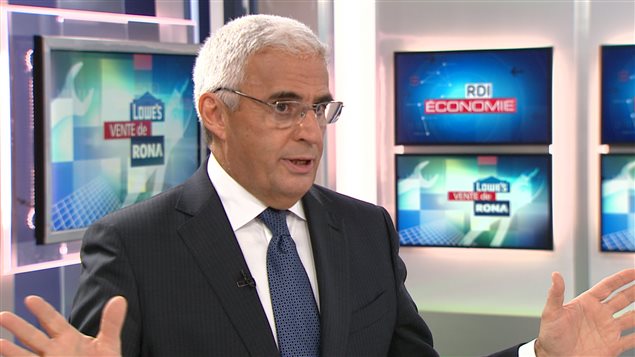
Robert Dutton donne son point de vue sur la vente de RONA !


Problèmes de gouvernance ?

Je suis certain que plusieurs seront intéressés à connaître la version de Robert Dutton, ex-PDG de RONA, parue dans un livre racontant les dessous de l’affaire. Je vous souhaite une bonne lecture de l’article publié par Michel Girard dans le Journal de Montréal aujourd’hui.
Mettez-vous à la place de Robert Dutton. Se faire mettre à la porte de «son» entreprise après 35 années de loyaux services, dont 20 à titre de président et chef de la direction, c’est à la fois blessant et révoltant.
La blessure est d’autant plus grande lorsque vous découvrez que votre départ avait en fait pour finalité de permettre aux gros actionnaires, dont la Caisse de dépôt et placement, de faire la piastre en vendant l’entreprise à une multinationale américaine.
Farouche défenseur d’un Québec inc. qui protège ses sièges sociaux, l’ancien grand patron de RONA, Robert Dutton, ne voulait rien savoir des offres d’acquisition de Lowe’s.

Inconcevable

Pour lui, il était inconcevable de voir RONA devenir une filiale d’une multinationale étrangère.
Pour les gros fonds institutionnels qui détiennent des blocs d’actions de votre entreprise, il était évident qu’un PDG comme Dutton représentait un obstacle majeur.
C’est le genre de gars capable de déplacer des montagnes pour protéger l’entreprise contre les prédateurs étrangers.

Les dessous de la vente de RONA : l’ex-PDG ne voulait rien savoir des offres de Lowe’s

Top 10 de Harvard Law School Forum on Corporate Governance au 6 septembre 2018


Voici le compte rendu hebdomadaire du forum de la Harvard Law School sur la gouvernance corporative au 6 septembre 2018.

Comme à l’habitude, j’ai relevé les dix principaux billets.

Bonne lecture !


Résultats de recherche d'images pour « top 10 »


Résultats de recherche d'images pour « Top 10 en gouvernance Harvard Law School »


L’âge des nouveaux administrateurs est une variable de diversité trop souvent négligée dans la composition des CA !


Lorsque l’on parle de diversité au sein des conseils d’administration, on se réfère, la plupart du temps, à la composition du CA sur la base des genres et des origines ethniques.

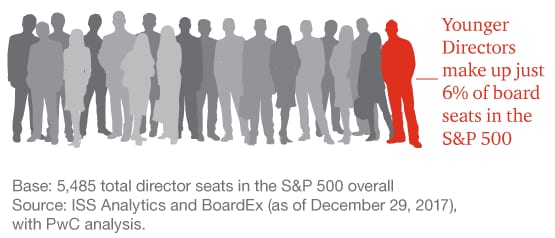
L’âge des nouveaux administrateurs est une variable de diversité trop souvent négligée de la composition des CA. Dans cette enquête complète de PwC, les auteurs mettent l’accent sur les caractéristiques des administrateurs qui ont moins de 50 ans et qui servent sur les CA du S&P 500.

Cette étude de PwC est basée sur des données statistiques objectives provenant de diverses sources de divulgation des grandes entreprises américaines.

En consultant la table des matières du rapport, on constate que l’étude vise à répondre aux questions suivantes :


(1) Quelle est la population des jeunes administrateurs sur les CA du S&P 500 ?

Ils sont peu nombreux, et ils ne sont pas trop jeunes !

Ils ont été nommés récemment

Les femmes font une entrée remarquable, mais pas dans tous les groupes…


(2) Qu’y a-t-il de particulier à propos des « jeunes administrateurs » ?

96 % occupent des emplois comme hauts dirigeants, 31 % des jeunes administrateurs indépendants sont CEO provenant d’autres entreprises,

Plus de la moitié proviennent des secteurs financiers et des technologies de l’information

Ils sont capables de concilier les exigences de leurs emplois avec celles de leurs rôles d’administrateurs

Ils sont recherchés pour leurs connaissances en finance/investissement ou pour leurs expertises en technologie

90 % des jeunes administrateurs siègent à un comité du CA et 50 % siègent à deux comités

La plupart évitent de siéger à d’autres conseils d’administration


(3) Quelles entreprises sont les plus susceptibles de nommer de jeunes administrateurs ?

Les jeunes CEO représentent une plus grande probabilité d’agir comme administrateurs indépendants

Plus de 50 % des jeunes administrateurs indépendants proviennent des secteurs des technologies de l’information, et des produits aux consommateurs

Les secteurs les moins pourvus de jeunes administrateurs sont les suivants : télécommunications, utilités, finances et immobiliers

Les plus jeunes administrateurs expérimentent des relations mutuellement bénéfiques.


La conclusion de l’étude c’est qu’il est fondamental de repenser la composition des CA en fonction de l’âge. Les conseils prodigués relatifs à l’âge sont les suivants :


Have you analyzed the age diversity on your board, or the average age of your directors?

Does your board have an updated succession plan? Does age diversity play into considerations for new board members?

Are there key areas where your board lacks current expertise—such as technology or consumer habits? Could a new—and possibly younger—board member bring this knowledge?

Does your board have post-Boomers represented?

Does your board have a range of diversity of thought—not just one or two people in the room who you look to continually for the “diversity angle”?

Could younger directors bring some needed change to the boardroom?


Notons que cette étude a été faite auprès des grandes entreprises américaines. Dans l’ensemble de la population des entreprises québécoises, la situation est assez différente, car il y a beaucoup plus de jeunes sur les conseils d’administration.

Mais, à mon avis, il y a encore de nombreux efforts à faire afin de rajeunir et renouveler nos CA.

Bonne lecture !


Board composition: Consider the value of younger directors on your board


Résultats de recherche d'images pour « Board composition: Consider the value of younger directors on your board »

Résumé des principaux résultats


There are 315 Younger Directors in the S&P 500. Together, they hold 348 board seats of companies in the index. Of these 348 Younger Director seats, 260 are filled by independent Younger Directors.

Fewer than half of S&P 500 companies have a Younger Director. Only 43% of the S&P 500 (217 companies) have at least one Younger Director on the board. At 50 of those companies, one of the Younger Directors is the company’s CEO.

S&P 500 companies with younger CEOs are much more likely to have independent Younger Directors on the board. Sixty percent (60%) of the 527 companies with a CEO aged 50 or under have at least one independent Younger
Director on the board—as compared to just 42% of companies that have a CEO over the age of 50.

Almost one-third of Younger Directors are women. Women comprise a much larger percentage (31%) of Younger Directors than in the S&P 500 overall (22%). This is in spite of the fact that over 90% of Younger Directors nominated under
shareholder agreements—such as those with an activist, private equity investor or family shareholder—are men.

Information technology and consumer products companies are more likely to have Younger Directors. The three companies in the telecommunications sector have no Younger Directors.

Close to half of the independent Younger Directors have finance/investing backgrounds. Just under one-third are cited for their technology expertise, executive experience or industry knowledge.

Younger Directors fit in board service while pursuing their careers. According to their companies’ SEC filings, 96% of Younger Directors cite active jobs or positions in addition to their board service.

Younger Directors serve on fewer boards. The average independent S&P 500 director sits on 2.1 public company boards. In contrast, independent Younger Directors sit on an average of 1.7 boards. More than half serve on only one public board.

More than half of the independent Younger Directors have held their board seat for two years or less. Only 18% have been on the board for more than five yearsé