Nous publions ici un quatrième billet de Danielle Malboeuf* laquelle nous a soumis ses réflexions sur les grands enjeux de la gouvernance des institutions d’enseignement collégial les 23 et 27 novembre 2013, à titre d’auteure invitée.
Dans un premier billet, publié le 23 novembre 2013 sur ce blogue, on insistait sur l’importance, pour les CA des Cégep, de se donner des moyens pour assurer la présence d’administrateurs compétents dont le profil correspond à celui recherché.
D’où les propositions adressées à la Fédération des cégeps et aux CA pour préciser un profil de compétences et pour faire appel à la Banque d’administrateurs certifiés du Collège des administrateurs de sociétés (CAS), le cas échéant. Un autre enjeu identifié dans ce billet concernait la remise en question de l’indépendance des administrateurs internes.
Le deuxième billet publié le 27 novembre 2013 abordait l’enjeu entourant l’exercice de la démocratie par différentes instances au moment du dépôt d’avis au conseil d’administration.
Le troisième billet portait sur l’efficacité du rôle du président du conseil d’administration (PCA).
Ce quatrième billet est une mise à jour de son dernier article portant sur le rôle du président de conseil.
Voici donc l’article en question, reproduit ici avec la permission de l’auteure.
Vos commentaires sont appréciés. Bonne lecture.
________________________________________
LE RÔLE DU PRÉSIDENT DU CONSEIL D’ADMINISTRATION | LE CAS DES INSTITUTIONS D’ENSEIGNEMENT COLLÉGIAL
par Danielle Malboeuf*
Il y a deux ans, je publiais un article sur le rôle du président du conseil d’administration (CA) [1]. J’y rappelais le rôle crucial et déterminant du président du CA et j’y précisais, entre autres, les compétences recherchées chez cette personne et l’enrichissement attendu de son rôle.
Depuis, on peut se réjouir de constater qu’un nombre de plus en plus élevé de présidents s’engagent dans de nouvelles pratiques qui améliorent la gouvernance des institutions collégiales. Ils ne se limitent plus à jouer un rôle d’animateurs de réunions, comme on pouvait le constater dans le passé.
Notons, entre autres, que les présidents visent de plus en plus à bien s’entourer, en recherchant des personnes compétentes comme administrateurs. D’ailleurs, à cet égard, les collèges vivent une situation préoccupante. La Loi sur les collèges d’enseignement général et professionnel prévoit que le ministre [2] nomme les administrateurs externes. Ainsi, en plus de connaître des délais importants pour la nomination de nouveaux administrateurs, les collèges ont peu d’influence sur leur choix.
Présentement, les présidents et les directions générales cherchent donc à l’encadrer. Ils peuvent s’inspirer, à cet égard, des démarches initiées par d’autres organisations publiques en établissant, entre autres, un profil de compétences recherchées qu’ils transmettent au ministre. Ils peuvent ainsi tenter d’obtenir une complémentarité d’expertise dans le groupe d’administrateurs.
Une fois les administrateurs nommés, les présidents doivent se préoccuper d’assurer leur formation continue pour développer les compétences recherchées. Ils se donnent ainsi l’assurance que ces personnes comprennent bien leur rôle et leurs responsabilités et qu’elles sont outillées pour remplir le mandat qui leur est confié. De plus, ils doivent s’assurer que les administrateurs connaissent bien l’organisation, qu’ils adhèrent à sa mission et qu’ils partagent les valeurs institutionnelles. En présence d’administrateurs compétents, éclairés, et dont l’expertise est reconnue, il est plus facile d’assurer la légitimité et la crédibilité du CA et de ses décisions.
Un président performant démontrera aussi de grandes qualités de leadership. Il fera connaître à toutes les instances du milieu le mandat confié au CA. Il travaillera à mettre en place un climat de confiance au sein du CA et avec les gestionnaires de l’organisation. Il cherchera à exploiter l’ensemble des compétences et à faire jouer au CA un rôle qui va au-delà de celui de fiduciaire, soit celui de contribuer significativement à la mission première du cégep : donner une formation pertinente et de qualité où l’étudiant et sa réussite éducative sont au cœur des préoccupations.
Plusieurs ont déjà fait le virage… c’est encourageant ! Les approches préconisées par l’Institut sur la gouvernance des organismes publics et privés (IGOPP) et le Collège des administrateurs de sociétés (CAS) puis reprises dans la loi sur la gouvernance des sociétés d’État ne sont sûrement pas étrangères à cette évolution. En fournissant aux présidents de CA le soutien, la formation et les outils appropriés pour améliorer leur gouvernance, le Centre collégial des services regroupés (CCSR) [3] contribue à assurer le développement des institutions collégiales dans un contexte de saine gestion.
Un CA performant est guidé par un président compétent.
*Danielle Malboeuf est consultante et formatrice en gouvernance ; elle possède une grande expérience dans la gestion des CEGEP et dans la gouvernance des institutions d’enseignement collégial et universitaire. Elle est CGA-CPA, MBA, ASC, Gestionnaire et administratrice retraité du réseau collégial et consultante.
Vous trouverez, ci-dessous, les dix thèmes les plus importants pour les administrateurs de sociétés selon Kerry E. Berchem, associé du groupe de pratiques corporatives à la firme Akin Gump Strauss Hauer & Feld LLP. Cet article est paru aujourd’hui sur le blogue le Harvard Law School Forum on Corporate Governance.
Bien qu’il y ait peu de changements dans l’ensemble des priorités cette année, on peut quand même noter :
(1) l’accent crucial accordé au long terme ;
(2) Une bonne gestion des relations avec les actionnaires dans la foulée du nombre croissant d’activités menées par les activistes ;
(3) Une supervision accrue des activités liées à la cybersécurité…
Pour plus de détails sur chaque thème, je vous propose la lecture synthèse de l’article ci-dessous.
U.S. public companies face a host of challenges as they enter 2016. Here is our annual list of hot topics for the boardroom in the coming year:
Oversee the development of long-term corporate strategy in an increasingly interdependent and volatile world economy
Cultivate shareholder relations and assess company vulnerabilities as activist investors target more companies with increasing success
Oversee cybersecurity as the landscape becomes more developed and cyber risk tops director concerns
Oversee risk management, including the identification and assessment of new and emerging risks
Assess the impact of social media on the company’s business plans
Stay abreast of Delaware law developments and other trends in M&A
Review and refresh board composition and ensure appropriate succession
Monitor developments that could impact the audit committee’s already heavy workload
Set appropriate executive compensation as CEO pay ratios and income inequality continue to make headlines
Prepare for and monitor developments in proxy access
Strategic Planning Considerations
Strategic planning continues to be a high priority for directors and one to which they want to devote more time. Figuring out where the company wants to—and where it should want to—go and how to get there is not getting any easier, particularly as companies find themselves buffeted by macroeconomic and geopolitical events over which they have no control.
In addition to economic and geopolitical uncertainty, a few other challenges and considerations for boards to keep in mind as they strategize for 2016 and beyond include:
finding ways to drive top-line growth
focusing on long-term goals and enhancing long-term shareholder value in the face of mounting pressures to deliver short-term results
the effect of low oil and gas prices
figuring out whether and when to deploy growing cash stockpiles
assessing the opportunities and risks of climate change and resource scarcity
addressing corporate social responsibility.
Shareholder Activism
Shareholder activism and “suggestivism” continue to gain traction. With the success that activists have experienced throughout 2015, coupled with significant new money being allocated to activist funds, there is no question that activism will remain strong in 2016.
In the first half of 2015, more than 200 U.S. companies were publicly subjected to activist demands, and approximately two-thirds of these demands were successful, at least in part. [1] A much greater number of companies are actually targeted by activism, as activists report that less than a third of their campaigns actually become public knowledge. [2] Demands have continued, and will continue, to vary: from requests for board representation, the removal of officers and directors, launching a hostile bid, advocating specific business strategies and/or opining on the merit of M&A transactions. But one thing is clear: the demands are being heard. According to a recent survey of more than 350 mutual fund managers, half had been contacted by an activist in the past year, and 45 percent of those contacted decided to support the activist. [3]
With the threat of activism in the air, boards need to cultivate shareholder relations and assess company vulnerabilities. Directors—who are charged with overseeing the long-term goals of their companies—must also understand how activists may look at the company’s strategy and short-term results. They must understand what tactics and tools activists have available to them. They need to know and understand what defenses the company has in place and whether to adopt other protective measures for the benefit of the overall organization and stakeholders.
Cybersecurity
Nearly 90 percent of CEOs worry that cyber threats could adversely impact growth prospects. [4] Yet in a recent survey, nearly 80 percent of the more than 1,000 information technology leaders surveyed had not briefed their board of directors on cybersecurity in the last 12 months. [5] The cybersecurity landscape has become more developed and as such, companies and their directors will likely face stricter scrutiny of their protection against cyber risk. Cyber risk—and the ultimate fall out of a data breach—should be of paramount concern to directors.
One of the biggest concerns facing boards is how to provide effective oversight of cybersecurity. The following are questions that boards should be asking:
Governance. Has the board established a cybersecurity review > committee and determined clear lines of reporting and > responsibility for cyber issues? Does the board have directors with the necessary expertise to understand cybersecurity and related issues?
Critical asset review. Has the company identified what its highest cyber risks assets are (e.g., intellectual property, personal information and trade secrets)? Are sufficient resources allocated to protect these assets?
Threat assessment. What is the daily/weekly/monthly threat report for the company? What are the current gaps and how are they being resolved?
Incident response preparedness. Does the company have an incident response plan and has it been tested in the past six months? Has the company established contracts via outside counsel with forensic investigators in the event of a breach to facilitate quick response and privilege protection?
Employee training. What training is provided to employees to help them identify common risk areas for cyber threat?
Third-party management. What are the company’s practices with respect to third parties? What are the procedures for issuing credentials? Are access rights limited and backdoors to key data entry points restricted? Has the company conducted cyber due diligence for any acquired companies? Do the third-party contracts contain proper data breach notification, audit rights, indemnification and other provisions?
Insurance. Does the company have specific cyber insurance and does it have sufficient limits and coverage?
Risk disclosure. Has the company updated its cyber risk disclosures in SEC filings or other investor disclosures to reflect key incidents and specific risks?
The SEC and other government agencies have made clear that it is their expectation that boards actively manage cyber risk at an enterprise level. Given the complexity of the cybersecurity inquiry, boards should seriously consider conducting an annual third-party risk assessment to review current practices and risks.
Risk Management
Risk management goes hand in hand with strategic planning—it is impossible to make informed decisions about a company’s strategic direction without a comprehensive understanding of the risks involved. An increasingly interconnected world continues to spawn newer and more complex risks that challenge even the best-managed companies. How boards respond to these risks is critical, particularly with the increased scrutiny being placed on boards by regulators, shareholders and the media. In a recent survey, directors and general counsel identified IT/cybersecurity as their number one worry, and they also expressed increasing concern about corporate reputation and crisis preparedness. [6]
Given the wide spectrum of risks that most companies face, it is critical that boards evaluate the manner in which they oversee risk management. Most companies delegate primary oversight responsibility for risk management to the audit committee. Of course, audit committees are already burdened with a host of other responsibilities that have increased substantially over the years. According to Spencer Stuart’s 2015 Board Index, 12 percent of boards now have a stand-alone risk committee, up from 9 percent last year. Even if primary oversight for monitoring risk management is delegated to one or more committees, the entire board needs to remain engaged in the risk management process and be informed of material risks that can affect the company’s strategic plans. Also, if primary oversight responsibility for particular risks is assigned to different committees, collaboration among the committees is essential to ensure a complete and consistent approach to risk management oversight.
Social Media
Companies that ignore the significant influence that social media has on existing and potential customers, employees and investors, do so at their own peril. Ubiquitous connectivity has profound implications for businesses. In addition to understanding and encouraging changes in customer relationships via social media, directors need to understand and weigh the risks created by social media. According to a recent survey, 91 percent of directors and 79 percent of general counsel surveyed acknowledged that they do not have a thorough understanding of the social media risks that their companies face. [7]
As part of its oversight duties, the board of directors must ensure that management is thoughtfully addressing the strategic opportunities and challenges posed by the explosive growth of social media by probing management’s knowledge, plans and budget decisions regarding these developments. Given new technology and new social media forums that continue to arise, this is a topic that must be revisited regularly.
M&A Developments
M&A activity has been robust in 2015 and is on track for another record year. According to Thomson Reuters, global M&A activity exceeded $3.2 trillion with almost 32,000 deals during the first three quarters of 2015, representing a 32 percent increase in deal value and a 2 percent increase in deal volume compared to the same period last year. The record deal value mainly results from the increase in mega-deals over $10 billion, which represented 36 percent of the announced deal value. While there are some signs of a slowdown in certain regions based on deal volume in recent quarters, global M&A is expected to carry on its strong pace in the beginning of 2016.
Directors must prepare for possible M&A activity in the future by keeping abreast of developments in Delaware case law and other trends in M&A. The Delaware courts churned out several noteworthy decisions in 2015 regarding M&A transactions that should be of interest to directors, including decisions on the court’s standard of review of board actions, exculpation provisions, appraisal cases and disclosure-only settlements.
Board Composition and Succession Planning
Boards have to look at their composition and make an honest assessment of whether they collectively have the necessary experience and expertise to oversee the new opportunities and challenges facing their companies. Finding the right mix of people to serve on a company’s board of directors, however, is not necessarily an easy task, and not everyone will agree with what is “right.” According to Spencer Stuart’s 2015 Board Index, board composition and refreshment and director tenure were among the top issues that shareholders raised with boards. Because any perceived weakness in a director’s qualification could open the door for activist shareholders, boards should endeavor to have an optimal mix of experience, skills and diversity. In light of the importance placed on board composition, it is critical that boards have a long-term board succession plan in place. Boards that are proactive with their succession planning are able to find better candidates and respond faster and more effectively when an activist approaches or an unforeseen vacancy occurs.
Audit Committees
Averaging 8.8 meetings a year, audit continues to be the most time-consuming committee. [8] Audit committees are burdened not only with overseeing a company’s risks, but also a host of other responsibilities that have increased substantially over the years. Prioritizing an audit committee’s already heavy workload and keeping directors apprised of relevant developments, including enhanced audit committee disclosures, accounting changes and enhanced SEC scrutiny will be important as companies prepare for 2016.
Executive Compensation
Perennially in the spotlight, executive compensation will continue to be a hot topic for directors in 2016. But this year, due to the SEC’s active rulemaking in 2015, directors will have more to fret about than just say-on-pay. Roughly five years after the Dodd-Frank Wall Street Reform and Consumer Protection Act was enacted, the SEC finally adopted the much anticipated CEO pay ratio disclosure rules, which have already begun stirring the debate on income inequality and exorbitant CEO pay. The SEC also made headway on other Dodd-Frank regulations, including proposed rules on pay-for-performance, clawbacks and hedging disclosures. Directors need to start planning how they will comply with these rules as they craft executive compensation for 2016.
Proxy Access
2015 was a turning point for shareholder proposals seeking to implement proxy access, which gives certain shareholders the ability to nominate directors and include those nominees in a company’s proxy materials. During the 2015 proxy season, the number of shareholder proposals relating to proxy access, as well as the overall shareholder support for such proposals, increased significantly. Indeed, approximately 110 companies received proposals requesting the board to amend the company’s bylaws to allow for proxy access, and of those proposals that went to a vote, the average support was close to 54 percent of votes cast in favor, with 52 proposals receiving majority support. [9] New York City Comptroller Scott Springer and his 2015 Boardroom Accountability Project were a driving force, submitting 75 proxy access proposals at companies targeted for perceived excessive executive compensation, climate change issues and lack of board diversity. Shareholder campaigns for proxy access are expected to continue in 2016. Accordingly, it is paramount that boards prepare for and monitor developments in proxy access, including, understanding the provisions that are emerging as typical, as well as the role of institutional investors and proxy advisory firms.
[1] Activist Insight, “2015: The First Half in Numbers,” Activism Monthly (July 2015). (go back)
[2] Activist Insight, “Activist Investing—An Annual Review of Trends in Shareholder Activism,” p. 8. (2015). (go back)
[3] David Benoit and Kirsten Grind, “Activist Investors’ Secret Ally: Big Mutual Funds,” The Wall Street Journal (August 9, 2015). (go back)
[4] PwC’s 18th Annual Global CEO Survey 2015. (go back)
[5] Ponemon Institute’s 2015 Global Megatrends in Cybersecurity (February 2015). (go back)
[6] Kimberley S. Crowe, “Law in the Boardroom 2015,” Corporate Board Member Magazine (2nd Quarter 2015). See also, Protiviti, “Executive Perspectives on Top Risks for 2015.” (go back)
Voici le point de vue de Liam McGee paru récemment dans la section Leadership de la revue du Harvard Business School (HBR). L’auteur relate son expérience alors qu’il était le président et chef de la direction (PCD) de la Hartford Financial Services Group.
Selon lui, tous les présidents de conseils d’administration tentent de « gérer leur CA » en utilisant diverses approches basées sur le contrôle et le pouvoir de l’information. Cependant, depuis une dizaine d’années, les conseils d’administration ont progressivement repris leurs droits ! Ils cherchent à maintenir une plus grande distance entre leurs rôles de fiduciaires et ceux qui incombent à la direction de l’organisation.
Pour l’auteur, il n’y a qu’une façon de réconcilier les deux parties : le partenariat. Celui-ci est fondé sur la confiance, et la confiance ne s’acquiert pas du jour au lendemain ! Il faut élaborer une stratégie et mettre en œuvre des mécanismes qui renforceront graduellement la confiance entre le CA et la haute direction. Selon lui, il vital que le PCD ait confiance en son CA.
Toute la carrière de l’auteur a été consacrée à l’établissement de liens de confiance essentiels aux bonnes pratiques de gouvernance. C’est de son expérience dont il est question dans ce bref extrait. Bonne lecture !
It’s understandable that most CEOs try to manage their boards. With directors often attempting to take a more active role in decisions these days, CEOs naturally feel a bit threatened. They’re trying to lead a group of people who typically lack the time or expertise to fully understand what’s going on — but who have real power.
At most companies, despite all the best intentions, managing the board usually means keeping directors at arm’s length. Most CEOs I’ve known are inclined to give out just enough information to satisfy their fiduciary obligations, often in highly structured meetings that leave little to chance. They hold off on revealing the deeper challenges or complexities that might provoke tough questions.
But as I learned over the course of my career, there’s a better approach with boards. A CEO can work in partnership with directors without sacrificing his or her authority — and thereby accomplish far more than is possible with an arm’s-length relationship. It’s all a matter of developing trust. In my five years as CEO of The Hartford, a Fortune 100 insurer, winning trust was crucial to turning around the company in the aftermath of the global financial crisis.
Building trust can be a delicate thing, but it isn’t magic. You don’t need special charisma. All you really need is courage and self-confidence.
The first step is to show that you trust your directors. In practical terms, that means not trying to stage-manage board interactions. When I took over at The Hartford, the management team took up most of our board meetings going through long slide decks. I got rid of that barrier. We distilled the most important information into pre-reads for the directors to study in advance. The meetings themselves, aside from the CFO’s report on financials, focused on discussions of the main issues. Real transparency, I learned, isn’t so much in the numbers, but in open conversation.
That wasn’t easy at first for my executives, who were used to wielding their slide decks to control their presentations. I had to coach them not to worry and to remember that directors were genuinely interested in their businesses and in getting to know them as managers. So they should just be open to the discussions that came up.
These unscripted meetings not only freed directors to ask more questions, but also gave them more of a window into the company. They got to see the other executives in action, including my potential successors.
It’s important to remember that boards see only a small part of you, and even less of the company. They visit for a day or two and get a snapshot. How you work with them is often as important as the substance of what you say. If you give the board unfettered access to executives, you’ll build trust with the directors as well as with your management team. Openness and transparency in board meetings over time can go a long way toward making everyone comfortable with everyone else.
Still, those steps weren’t enough for me to build a strong basis of trust. It’s one thing to allow open discussion on the usual company topics. But what about the issues that involved me personally? How could I get the directors to trust me on my own performance? Obviously a CEO will want to maintain some discretion here. But openness on even these issues can pay off enormously.
A year into my tenure, a senior executive quit abruptly and, on the way out, criticized my management style to the board. I was concerned enough to get a coach, who conducted a full 360-degree feedback process for me. But instead of just telling the directors about the coaching, I decided to give them an overview of my coach’s findings. Her report was generally positive, but it had some tough parts in it, and I decided to discuss these openly. It may have been risky, but it helped to break the ice. The board members felt relaxed enough to give me some feedback of their own. My lead director even became something of a second coach. All of this was invaluable, and it wouldn’t have happened if I hadn’t made myself vulnerable in the first place.
That trust made a big difference in 2012, when an activist investor challenged us to restructure the company. We were still in the process of developing our new strategy, and the stock price was disappointingly low. The controversy could have led to my departure and, more important, a costly delay in the company’s revival. Instead the board stayed unified and we stuck to our plan, which turned out to be a better approach than the strategy the activist was pushing.
All along the way, as we developed trust, I grew to welcome the board members’ tough questions. I could see they were focused on helping me protect and improve the company. A CEO’s job is hard enough. One of your biggest responsibilities is to avoid making dumb decisions. Wouldn’t you want all the directors to feel comfortable challenging you and each other?
*Liam McGee was chairman and CEO of the Hartford Financial Services Group (“The Hartford”) from 2009 to June of 2014. He died in February 2015.
Voici le deuxième billet présenté par le professeur Ivan Tchotourian de la Faculté de droit de l’Université Laval, élaboré dans le cadre de son cours de maîtrise Gouvernance de l’entreprise.
Dans le cadre d’un programme de recherche, il a été proposé aux étudiants non seulement de mener des travaux sur des sujets qui font l’actualité en gouvernance de l’entreprise, mais encore d’utiliser un format original permettant la diffusion des résultats. Le présent billet expose le résultat des recherches menées par Nadia Abida, Arnaud Grospeillet, Thomas Medjir et Nathalie Robitaille.
Ce travail revient sur les arguments échangés concernant la dissociation des fonctions de président du conseil d’administration et de chef de la direction. Ce billet alimente la discussion en faisant une actualité comparative des normes et des éléments juridiques, et en présentant les dernières statistiques en ce domaine.
Le papier initial des étudiants a été retravaillé par Nadia Abidaafin qu’il correspondre au style du blogue . Bonne lecture ! Vos commentaires et vos points de vue sont les bienvenus.
« Je vous en souhaite bonne lecture et suis certain que vous prendrez autant de plaisir à le lire que j’ai pu en prendre à le corriger. Merci encore à Jacques de permettre la diffusion de ce travail et d’offrir ainsi la chance à des étudiants de contribuer aux riches discussions dont la gouvernance d’entreprise est l’objet ». (Ivan Tchotourian)
Séparation des fonctions de président du conseil et de chef de la direction : retour sur un grand classique
Nadia Abida, Arnaud Grospeillet, Thomas Medjir, Nathalie Robitaille
Anciens étudiants du cours DRT-6056 Gouvernance de l’entreprise
La séparation entre les fonctions de président du conseil d’administration (CA) et du chef de la direction est l’un des facteurs incontournables de l’indépendance des administrateurs. Cette dernière est un indicateur de pratique de bonne gouvernance d’entreprise. Cependant, et malgré l’importance avérée de la séparation des deux fonctions, nombre d’entreprises continuent à en pratiquer le cumul. Les arguments foisonnent de part et d’autre, et ne s’accordent pas sur la nécessité de cette séparation.
Un retour sur une proposition d’actionnaires de la banque JP Morgan démontre la nécessité de ne pas laisser ce sujet sans réflexions. Cette proposition en faveur d’une séparation des fonctions a été émise à la suite d’une divulgation par la société d’une perte s’élevant à 2 milliards de dollars… perte essuyée sous la responsabilité de son PDG actuel [1].
Ce n’est un secret pour personne que cette société a un passif lourd avec des pertes colossales engendrées par des comportements critiquables sur lesquels la justice a apporté un éclairage. Les conséquences de cette gestion auraient-elles été identiques si une séparation des pouvoirs avait était mise en place entre une personne agissant et une personne surveillant ?
Silence du droit et positions ambiguës
Les textes législatifs (lois ou règlements) canadiens, américains ou européens apportent peu de pistes de solution à ce débat. La plupart se montrent en effet silencieux en ce domaine faisant preuve d’une retenue étonnamment rare lorsque la gouvernance d’entreprise est débattue. Dans ses lignes directrices [2], l’OCDE – ainsi que la Coalition canadienne pour une saine gestion des Entreprises dans ses principes de gouvernance d’entreprise [3] – atteste pourtant de l’importance du cloisonnement entre les deux fonctions.
De ce cloisonnement résulte l’indépendance et l’objectivité nécessaires aux décisions prises par le conseil d’administration. Au Canada, le comité Saucier dans son rapport de 2001 et le rapport du Milstein center [4] ont mis en exergue l’importance d’une telle séparation. En comparaison, la France s’est montrée plus discrète et il n’a pas été question de trancher dans son Code de gouvernement d’entreprise des sociétés cotées (même dans sa version amendée de 2013) [5] : ce dernier ne privilégie ainsi ni la séparation ni le cumul des deux fonctions [6].
Quelques chiffres révélateurs
Les études contemporaines démontrent une nette tendance en faveur de la séparation des deux rôles. Le Canadian Spencer Stuart Board Index [7] estime qu’une majorité de 85 % des 100 plus grandes entreprises canadiennes cotées en bourse ont opté pour la dissociation entre les deux fonctions. Dans le même sens, le rapport Clarkson affiche que 84 % des entreprises inscrites à la bourse de Toronto ont procédé à ladite séparation [8]. Subsistent cependant encore de nos jours des entreprises canadiennes qui permettent le cumul. L’entreprise Air Transat A.T. Inc en est la parfaite illustration : M. Jean-Marc Eustache est à la fois président du conseil et chef de la direction. A contrario, le fond de solidarité de la Fédération des travailleurs du Québec vient récemment de procéder à la séparation des deux fonctions. Aux États-Unis en 2013, 45 % des entreprises de l’indice S&P500 (au total 221 entreprises) dissocient les rôles de PDG et de président du conseil. Toutefois, les choses ne sont pas aussi simples qu’elles y paraissent : 27 % des entreprises de cet indice ont recombiné ces deux rôles [9]. Évoquons à ce titre le cas de Target Corp dont les actionnaires ont refusé la dissociation des deux fonctions [10].
Il faut séparer les fonctions !
Pendant longtemps, il a été d’usage au sein des grandes sociétés par actions, que le poste de président du conseil soit de l’apanage du chef de la direction. Selon les partisans du non cumul, fusionner ces deux fonctions revient néanmoins à réunir dans une seule main un trop grand pouvoir et des prérogatives totalement antagonistes, voir même contradictoires. En ce sens, Yvan Allaire [11] souligne qu’il est malsain pour le chef de la direction de présider aussi le conseil d’administration. Rappelons que le CA nomme, destitue, rémunère et procède à l’évaluation du chef de la direction. La séparation des deux fonctions trouve pleinement son sens ici puisqu’elle crée une contre mesure du pouvoir : le président du CA est chargé du contrôle permanent de la gestion, et le directeur général est en situation de subordination par rapport au CA.
Sous ce contrôle, le directeur général ne peut être que plus diligent et prudent dans l’exercice de ses fonctions, puisqu’il doit en rendre compte au CA. Des idées et décisions confrontées et débattues sont de loin plus constructives que des décisions prises de manière unilatérale. N’y a-t-il pas plus d’esprit dans deux têtes que dans une comme le dit le proverbe ? De plus, les partisans du non cumul avancent d’autres arguments. Il en va ainsi de la rémunération de la direction. Le cumul des deux fonctions irait de pair avec la rémunération conséquente. Celui qui endosse les deux fonctions est enclin à prendre des risques qui peuvent mettre en péril les intérêts financiers de la société pour obtenir une performance et un rendement qui justifieraient une forte rémunération. Par ailleurs, le cumul peut entrainer une négligence des deux rôles au profit de l’un ou de l’autre. Aussi, le choix du non cumul s’impose lorsque l’implication de la majorité ou encore, de la totalité des actionnaires ou membres dans la gestion quotidienne de la société, est faible. Cette séparation permet en effet aux actionnaires ou aux membres d’exercer une surveillance adéquate de la direction et de la gestion quotidienne de ladite société [12].
Attention à la séparation !
Nonobstant les arguments cités plus haut, la séparation des deux fonctions ne représente pas nécessairement une meilleure gestion du conseil d’administration. Les partisans du cumul clament que non seulement l’endossement des deux fonctions par une seule personne unifie les ordres et réduit les couts de l’information, mais que c’est aussi un mécanisme d’incitation pour les nouveaux chefs en cas de transition. Cela se traduit par la facilité de remplacer une seule personne qui détient les deux pouvoirs, à la place de remplacer deux personnes. Par ailleurs, la séparation limiterait l’innovation et diluerait le pouvoir d’un leadership effectif [13] en augmentant la rivalité entre les deux responsables pouvant même aller jusqu’à semer la confusion.
Coûts et flexibilité du choix
En dépit de la critique classique du cumul des fonctions, les deux types de structures sont potentiellement sources de bénéfices et de coûts, bénéfices et coûts que les entreprises vont peser dans leur choix de structure. Les coûts de la théorie de l’agence impliquent des arrangements institutionnels lorsqu’il y a séparation entre les fonctions de président et de chef de la direction [14]. Ces coûts sont occasionnés par exemple par la surveillance du CA sur le chef de la direction. Il devient plus cher de séparer les deux fonctions que de les unifier.
Cependant, une antithèse présentée par Andrea Ovans [15] soutient qu’au contraire il est plus cher d’unifier les deux fonctions que de les séparer. Comment ? Simplement à travers la rémunération (salaire de base, primes, incitations, avantages, stock-options, et les prestations de retraite). L’imperméabilité entre les deux fonctions qui apparaît comme « la » solution en matière de bonne gouvernance pourrait ne pas l’être pour toutes les entreprises.
Si le cumul des fonctions et les autres mécanismes de surveillance fonctionnement bien, pourquoi faudrait-il prévoir un changement ? De surcroit, le « one size fits all » n’est pas applicable en la matière. Devrait-on prévoir les mêmes règles en termes de séparation pour les grandes et petites entreprises ? Rien n’est moins sûr… Le cumul des fonctions apparaît plus adapté aux entreprises de petite taille : ceci est dû à la fluidité de communication entre les deux responsables et à la faiblesse de la quantité d’informations à traiter [16].
Au lendemain du référendum mené en Grande-Bretagne (GB), on peut se demander quelles sont les implications juridiques d’une telle décision. Celles-ci sont nombreuses ; plusieurs scénarios peuvent être envisagés pour prévoir l’avenir des relations entre la GB et l’Union européenne (UE).
Ben Perry de la firme Sullivan & Cromwell et Simon Witty de la firme Davis Polk & Wardwell ont exploré toutes les facettes légales de cette nouvelle situation dans deux articles parus récemment sur le site du Harvard Law School Forum on Corporate Governance.
Ce sont deux articles très approfondis sur les répercussions du Brexit. On doit admettre que le processus de retrait de l’UE est complexe, qu’il y a plusieurs modèles dont la GB peut s’inspirer (Suisse, Norvégien, Islandais, Liechtenstein), et que le vote n’a pas d’effets légaux immédiats. En fait, le processus de sortie et de renégociation peut durer trois ans !
Je vous invite à prendre connaissance de ces deux articles afin d’être mieux informés sur les principales avenues conséquentes au retrait de la GB de l’UE.
Le 25 juin, je vous ai déjà présenté l’article de Perry qui a suscité beaucoup d’intérêt (Brexit: Legal Implications).
Aujourd’hui, je vous présente le texte de l’article de Witty (The Legal Consequences of Brexit) qui met l’accent sur les répercussions prévisibles qu’aura ce retrait sur le marché des capitaux, les fusions et acquisitions, les différends liés aux contrats, les lois antitrusts, les services financiers et les mesures de taxation.
On June 23, 2016, the UK electorate voted to leave the European Union. The referendum was advisory rather than mandatory and does not have any immediate legal consequences. It will, however, have a profound effect. With any next steps being driven by UK and EU politics, it is difficult to predict the future of the UK’s relationship with the EU. This post discusses the process for Brexit, the alternative models of relationship that the UK may seek to adopt, and certain implications for the capital markets, mergers and acquisitions, contractual disputes and enforcement, anti-trust, financial services and tax.
The process for exiting the EU
The treaties that govern the EU expressly contemplate a member state leaving. Under Article 50 of the Treaty on European Union, the UK must notify the European Council of its intention to withdraw from the EU. Once notice is given, the UK has two years to negotiate the terms of its withdrawal. Any extension of the negotiation period will require the consent of all 27 remaining member states. When to invoke the Article 50 mechanism is, therefore, a strategically important decision. In a statement announcing his intention to resign as Prime Minister of the UK, David Cameron stated that the decision to provide notice under Article 50 to the European Council should be taken by the next Prime Minister, who is expected to be in place by October 2016.
Waving United Kingdom and European Union Flag
Any negotiated agreement will require the support of at least 20 out of the 27 remaining member states, representing at least 65% of the EU’s population, and the approval of the European Parliament. If no agreement is reached or no extension is agreed, the UK will automatically exit the EU two years after the Article 50 notice is given, even if no alternative trading model or arrangement has been negotiated. The UK continues to be a member of the EU in the interim period, subject to all EU legislation and rules.
Alternative models of relationship
It is not clear what model of relationship the UK will seek to negotiate with the EU. In the run-up to the referendum, a number of options were suggested. Politicians in favor of withdrawing from the EU did not coalesce around a specific alternative. It is, therefore, unclear what model will ultimately be followed or whether any of the models could be achieved through the Article 50 process. The principal options are outlined below.
The Norwegian model. The UK might seek to join the European Economic Area, as Norway has. The UK would have considerable access to the internal market, i.e., the association of European countries trading with each other without restrictions or tariffs, including in financial services. The UK would have limited access to the internal market for agriculture and fisheries; and it would not benefit from or be bound by the EU’s external trade agreements. In addition, the UK would have to make significant financial contributions to the EU and continue to allow free movement of persons. It would also have to apply EU law in a number of fields, but the UK would no longer participate in policymaking at the EU level, and would be excluded from participation in the European Supervisory Authorities, the key architects of secondary legislation in the financial services sphere. To adopt this model, the UK would require the agreement of all 27 remaining EU member states, plus Iceland, Liechtenstein and Norway.
Negotiated bilateral agreements. Like Switzerland, the UK might seek to enter into various bilateral agreements with the EU to obtain access to the internal market in specific sectors (rather than the market as a whole, which would be the case under the Norwegian model). This model would likely require the UK to accept some of the EU’s rules on free movement of persons and comply with particular EU laws. Again, the UK would not participate formally in the drafting of those laws. The UK would also have to make financial contributions to the EU. Negotiating these bilateral agreements would be a difficult and time-consuming process. Switzerland, for instance, has negotiated more than 100 individual agreements with the EU to cover market access in different sectors. As a result of its complexity, it is unclear whether the EU would work with the UK to negotiate this model within the Article 50 timeframe.
Customs union. A customs union is currently in place between the EU and Turkey in respect of trade in goods, but not services. Under this model, Turkey can export goods to the EU without having to comply with customs restrictions or tariffs. Its external tariffs are also aligned with EU tariffs. The UK might seek to negotiate a similar arrangement with the EU. Under such an arrangement, and unless separately negotiated, UK financial institutions (including UK subsidiaries of US holding companies) would not be able to provide financial and professional services into the EU on equal terms with EU member state firms. For example, the EU passporting regime would not be available, meaning UK firms would have to seek separate licensing in each EU member state to provide certain financial services. Furthermore, in areas where the UK would have access to the internal market, it would likely be required to enforce rules that are equivalent to those in the EU. The UK would not be required to make any financial contributions to the EU, nor would it be bound by the majority of EU law.
Free trade agreement. The UK might seek to negotiate a free trade agreement with the EU, which would cover goods and services. To do so, it may look to the agreement that was recently agreed between the EU and Canada after seven years of negotiations. This agreement removes tariffs in respect of trade in goods, as well as certain non-tariff barriers in respect of trade in goods and services. Although the UK would not be required to contribute to the EU budget, its exports to the EU would have to comply with the applicable EU standards.
WTO membership. Under this model, the UK would not have any preferential access to the internal market or the 53 markets with which the EU has negotiated free trade agreements. Tariffs and other barriers would be imposed on goods and services traded between the UK and the EU, although, under WTO rules, certain caps would apply on tariffs applicable to goods, and limits would be imposed on particular non-tariff barriers applicable to goods and services. The UK would no longer be required to make any financial contributions to the EU, nor would it be bound by EU laws (although it would have to comply with certain rules in order to trade with the EU).
Implications for UK legislation
Regardless of which model it adopts, the UK will no longer be required to apply some (if not all) EU legislation. The UK has implemented certain EU laws (generally, EU directives) via primary legislation that will continue to be part of English law, unless these are amended or repealed. Other EU laws (generally, EU regulations) have direct applicability in the UK without the need for implementation, which means that these laws would fall away once the UK withdraws from the EU, unless they are transposed into UK law. Finally, thousands of statutory instruments have been made pursuant to the European Communities Act 1972. If this act is repealed upon the UK’s withdrawal from the EU, then, unless transposed into UK law, these statutory instruments will cease to apply as well. Therefore, the UK will have to perform a complex exercise to determine which EU laws and EU-derived laws it wishes to retain, amend or repeal, driven in part by the nature of any agreement reached with the EU during exit negotiations.
How may Brexit affect you?
The UK’s withdrawal from the EU will impact countless areas of the economy. The following section discusses a number of Brexit’s potential implications for the capital markets, mergers and acquisitions, contractual disputes and enforcement, anti-trust, financial services and tax. The extent to which these areas will be affected by the UK’s withdrawal from the EU will depend on the model of relationship that the UK and the EU adopt following the Brexit negotiations.
Capital Markets
The financial markets will likely continue to be volatile, particularly during the Brexit negotiations. This may affect the timing of transactions or their ability to be consummated.
The EU Prospectus Directive, which has been transposed into UK law, governs the content, format, approval and publication of prospectuses throughout the EU. Following eventual Brexit, the UK may no longer be bound by the Prospectus Directive and, thus, may seek to amend its prospectus legislation. For example, the Prospectus Directive provides that a company incorporated in an EU member state must prepare a prospectus if it wishes to offer shares to the public and/or request that shares be admitted to trading in the EU, subject to certain exemptions. The UK may wish to expand these exemptions, so that more offers can be made in the UK without a prospectus. Significantly, the Prospectus Directive also provides for the passporting of prospectuses throughout the EU. This means that a company can use a prospectus that has been approved in one member state to offer shares in any other EU member state. Without this passporting regime, UK companies will have to have their prospectuses approved both in the UK and at least one other member state where they wish to offer their shares, which may be particularly costly and time-consuming if the UK amends, for instance, the content requirements for prospectuses following Brexit, so that these no longer align with those prescribed by the Prospectus Directive.
During the Brexit negotiations, transaction documents may need to include specific Brexit provisions, for example to address the uncertainty around the model of relationship to be adopted.
M&A
As a result of ongoing uncertainty around the future of the UK’s relationship with the EU, a number of transactions with a UK nexus may be affected pending the Brexit negotiations.
Share sale transactions generally are not subject to much EU law or regulation. Asset and business sales, however, may be more affected by Brexit. For example, the regulations that protect the rights of employees on a business transfer stem from a European directive. When the UK withdraws from the EU, it may no longer be bound by this directive, and, therefore, the UK may wish to amend or repeal the regulations.
Contractual Disputes and Enforcement
As a member of the EU, the UK is part of a framework for deciding jurisdiction in disputes, recognizing judgments of other member states (and having its own courts’ judgments recognized and enforced throughout the EU) and deciding the governing law of contracts. Following Brexit, the UK may no longer be part of this framework which may affect jurisdiction and governing law choices in transaction documents.
Anti-trust
Currently, mergers that fall within the scope of the EU Merger Regulation can receive EU-wide clearance, which means that they are not also required to be cleared by individual member states. Following Brexit, mergers with a UK nexus may need to be reviewed by the UK’s Competition and Markets Authority separately.
More generally, UK anti-trust legislation is currently based on, and interpreted in line with, EU law, including decisions of the European Commission and the European Court of Justice. Given that UK courts may no longer be required to interpret national law consistently with EU law once the UK withdraws from the EU, businesses face the prospect of having to comply with divergent systems.
Financial Services
Much of the UK’s financial services regulation is based on EU law. This includes legislation such as the Markets in Financial Instruments Directive (MiFID), which regulates investment services and trading venues, the European Market Infrastructure Regulation, which regulates the derivatives market, the Alternative Investment Fund Managers Directive, which regulates hedge funds and private equity, and the Capital Requirements Directive and the Capital Requirements Regulation, which together represent the EU’s implementation of the international Basel III accords for the prudential regulation of banks. The Bank Recovery and Resolution Directive (“BRRD”) has been implemented into UK law via the Banking Act 2009, so the fundamental bank resolution regime should initially survive Brexit. That said, substantial further EU legislative work is expected in this area to modify BRRD (e.g., in relation to the implementation of the TLAC standard), so it is possible that the regimes could diverge rapidly after Brexit. In general with financial services legislation, an assessment will need to be made whether to align with EU legislation or diverge; the greater the divergence, the more the dual burdens on cross-border firms.
As mentioned above, the UK will likely not be part of the European Supervisory Authorities framework and will have no influence in the development of primary or secondary EU legislation and guidance. The UK has been a significant force in the area of financial services legislation and has driven the introduction of, for instance, the BRRD. The UK’s withdrawal may impact the legislative agenda and ultimately the quality of the legislation produced.
Financial institutions established in EEA member states can obtain a “passport” that allows them to access the markets of other EEA member states without being required to set up a subsidiary and obtain a separate license to operate as a financial services institution in those member states. Following Brexit, UK financial services institutions, including subsidiaries of US and other non-EU parent companies, would no longer be able to benefit from passporting (unless the UK were to join the EEA pursuant to the Norway option described above).
Although the UK will likely remain a member of the EU for a substantial period while negotiations are ongoing, there are pressing questions as to how the UK will engage with the ongoing legislative processes that affect the UK financial services industry. There are a number of areas where framework legislation has been passed already, but key secondary legislation is being developed or revised. These areas include the complete overhaul of MiFID and the Payment Services Directive. Even before the UK leaves the EU, we can expect to see a diminished role for the UK Government, UK regulators and UK market participants in shaping the detailed policies and procedures in those areas.
We expect larger financial institutions in the UK, or those based outside the UK that have significant operations in the UK, will wish to contribute to the negotiation process between the EU and UK. In particular, to the extent a unique model for trading relationships is proposed, these institutions may wish to engage with policymakers to minimize disruption and damage to their EU business model.
Tax
The EU has influenced many areas of the UK’s tax system. In some cases, this has been through EU legislation which applies directly in the UK; in other cases, EU rules have been adopted through UK legislation (for example, the UK’s VAT legislation is based on principles which apply across the EU); and, in still other cases, decisions of the European Court of Justice have either influenced the development of UK tax rules, or have prevented the UK’s tax authority from enforcing aspects of the UK’s domestic tax code. This complicated backdrop means that the tax impact of Brexit will be varied and difficult to predict.
Areas to watch include the following:
Direct tax: although the UK has an extensive double tax treaty network, not all treaties provide for zero withholding tax on interest and royalty payments. Accordingly, corporate groups should consider the extent to which existing structures rely on EU rules such as the Parent-Subsidiary Directive or the Interest and Royalties Directive to secure tax efficient payment flows. Similarly, corporate groups proposing to undertake cross border reorganisations would need to consider the extent to which existing cross-EU border merger tax reliefs will survive intact. It should also be borne in mind that, even if Brexit occurs, the UK is likely to continue vigorously supporting the OECD’s BEPS initiative such that there may well be considerable constraints and complexities associated with locating businesses outside the UK.
VAT: although VAT is an EU-wide tax regime, it seems inconceivable that VAT will be abolished. However, it is likely that, over time, there will be a divergence between UK VAT rules and EU VAT rules, including as to input VAT recovery on supplies made to non-UK customers. Additionally, UK companies may lose the administrative benefit of the “one stop shop” for businesses operating in Europe.
Customs duty: if the UK left the customs union, exports to and imports from EU countries may become subject to tariffs or other import duties (as well as additional compliance requirements).
Transfer taxes: it seems that the UK would, at least in principle, be able to (re)impose the 1.5% stamp duty/stamp duty reserve tax charge in respect of UK shares issued or transferred into a clearance or depositary receipt system. Accordingly, the position for UK-headed corporate groups seeking to list on the NYSE or Nasdaq may become less certain.
______________________________
*Ben Perry is a partner in the London office of Sullivan & Cromwell LLP. This post is based on a Sullivan & Cromwell publication.
*Simon Witty is a partner in the Corporate Department at Davis Polk & Wardwell LLP. This post is based on a Davis Polk memorandum.
À chaque semaine je donne la parole à Johanne Bouchard* qui agit à titre d’auteure invitée sur mon blogue en gouvernance. Ce billet est une reprise de son article publié le 27 juillet 2015.
L’auteure a une solide expérience d’interventions de consultation auprès de conseils d’administration de sociétés américaines et d’accompagnements auprès de hauts dirigeants de sociétés publiques.
Dans ce billet, elle propose dix (10) mesures que les présidents de conseils d’administration (PCA) devraient considérer afin de mieux exercer leurs rôles de leader.
Je crois que vous serez intéressés à connaître les mesures qu’une consultante chevronnée recommande aux présidents de conseils eu égard au bon fonctionnement de leurs conseils ? Elle nous invite par ailleurs à examiner le fonctionnement du CA à la lumière de ces questions.
Bonne lecture ! Vos commentaires sont les bienvenus.
L’article que je recommande aujourd’hui s’adresse aux praticiens qui se questionnent encore sur la pertinence et l’à-propos de l’utilisation des médias sociaux pour communiquer des informations financières, dans ce cas-ci par l’intermédiaire de Twitter.
Les auteurs ont procédé à une étude scientifique, l’une des plus exhaustives dans le domaine, afin de connaître les effets de la divulgation des résultats financiers sur Twitter, le média par excellence pour faire connaître, universellement et à une période bien définie, des informations concernant la performance des entreprises. L’article investigue en détail les effets bénéfiques de l’utilisation de ce canal pour disséminer des informations simultanément à toute la communauté des affaires.
L’article utilise une méthodologie scientifique rigoureuse et une analyse statistique élaborée qui peut cependant paraître un peu difficile d’accès. C’est pourquoi je vous recommande la lecture de l’extrait qui suit et qui décrit sommairement l’approche méthodologique, les questions de recherches ainsi que l’analyse des résultats.
En bref, aujourd’hui, aucune entreprise ne peut se passer de l’apport des médias sociaux pour communiquer de manière instantanée avec le marché financier. L’étude examine les stratégies que les entreprises mettent en œuvre afin de profiter au maximum des opportunités offertes à l’ère des médias sociaux (par exemple, en étant plus actives lorsque les résultats sont conformes ou dépassent les attentes des analystes financiers).
Cet article, publié dans le Harvard Law School Forum, par les professeurs James Naughton et Clare Wang de Northwestern University, Michael Jung, de New York University, et Ahmed Tahoun, du London Business School, est l’un des premiers à s’intéresser à la divulgation des résultats via Twitter.
Bonne lecture ! Vos commentaires sont les bienvenus.
Peu importe le type de conseil, l’exercice du pouvoir d’influence autour de la table est loin d’être évident. Bien qu’il y ait une personne nommée pour présider les réunions du conseil, il y a en général plusieurs personnes autour de la table qui voudront exercer leur pouvoir d’influence sur les autres. Il est fréquent pour les membres du conseil d’administration de manquer de précision au sujet de la responsabilité du président, y compris pour le président lui-même et le chef de la direction.
Encore aujourd’hui, les postes de président du conseil d’administration et de chef de la direction sont trop souvent tenus par la même personne. On peut comprendre que dans des circonstances exceptionnelles, telle une transition au niveau du chef de la direction, cela puisse être encore le cas. Cependant, afin d’assurer une gouvernance exemplaire, les postes de président du conseil d’administration et de chef de la direction doivent être séparés et occupés par deux personnes distinctes, même si cela peut créer des défis au niveau relationnel et dynamique. Ceci peut créer de la confusion quant à l’attribution des responsabilités de chacun.
Voici dix (10) mesures que vous pouvez prendre pour devenir un excellent président de CA
1. Soyez clairs au sujet de votre rôle et de celui des autres
À titre de président, votre rôle est la direction générale du conseil d’administration. Le président est responsable d’assurer la bonne gouvernance du conseil et d’établir des processus clairs que tous les membres comprennent lorsqu’on traite de questions critiques. Les conseils d’administration doivent adopter des procédures pour traiter de ces questions. Maîtrisez-les et assurez-vous que chaque personne autour de la table connaisse votre rôle et le leur, y compris le rôle du chef de la direction (ou du directeur général quand il s’agit du conseil d’administration d’un organisme à but non lucratif).
2. Le président du conseil et le chef de la direction doivent travailler ensemble, et non les uns contre les autres
Le chef de la direction assure la direction de son équipe de gestionnaires (le management) et assiste d’office aux réunions du conseil d’administration, sans nécessairement être un administrateur ; c’est le président toutefois qui dirige le conseil.
3. Établissez des règles éthique élevées
Concentrez-vous d’abord sur la gouvernance; établissez et maintenez des normes éthiques élevées, accompagnées d’un véritable code d’éthique, que les administrateurs comprennent et avec lequel ils sont d’accord et qui reflète la culture de l’entreprise. Soyez un modèle en ce qui regarde la conduite éthique. Ayez le courage de bien faire, en étant conscients des conséquences négatives de ne pas bien le faire.
4. Bâtissez et maintenez le bon conseil
Autrefois, les conseils d’administration fonctionnaient comme un groupe d’individus se réunissant pour entendre les mises à jour et prendre des décisions, sans s’engager dans la stratégie de l’entreprise. De nos jours, il est essentiel que le président du conseil d’administration bâtisse un conseil efficace avec la vision et la volonté de gérer rondement les crises majeures, avec le plus de transparence possible, le tout sans nuire à l’accomplissement des affaires quotidiennes.
5. Incitez chaque administrateur à respecter les normes d’éthique établies par le conseil
Vous devez prendre des mesures correctives lorsque le comportement d’un membre s’écarte des règles d’éthique acceptées. Il n’y a pas de place pour les excuses.
6. Définissez et respectez un ordre du jour clair
C’est la responsabilité du président de rencontrer et d’interagir avec tous les membres du conseil d’administration, ainsi qu’avec le chef de la direction (ou avec le directeur général, s’il s’agit d’un OBNL) entre les réunions du conseil pour recueillir leurs commentaires concernant les actions qui nécessitent une prise de décision et les questions non résolues qui doivent être abordées à la prochaine rencontre. Le chef de la direction doit être impliqué dans la préparation de l’ordre du jour, mais c’est le président du conseil qui doit donner son accord final. Il en est le maître.
7. Le président du conseil devrait guider le chef de la direction
Le rôle du président du conseil est de fournir de l’aide au chef de la direction entre les réunions. Il est important de soutenir le chef de la direction dans la communication des faits, bons et moins bons. Ne soyez pas complaisant avec lui. Félicitez-le, lorsque cela est justifié, et n’hésitez pas à lui dire ce qui n’est pas acceptable. Assurez-vous qu’il ne reçoive pas d’informations divergentes d’autres administrateurs de la société, et qu’il se sente confortable avec vous lorsque qu’une clarification est nécessaire ou lorsqu’il doit rester sur ses positions pour le bien de l’entreprise.
8. Le président du conseil doit prioriser la formation continue et le développement des compétences
Soyez conscients que votre leadership se doit d’être inspirant, et que vous devez avoir le pouls des enjeux en cours. Vous devez avoir des connaissances spécifiques en ce qui regarde les affaires de l’entreprise, ses clients, ses partenaires et son management. Vous devez avoir une bonne connaissance des facteurs qui menacent l’industrie, tels que la cyber-sécurité, la fraude, la mondialisation, les actionnaires activistes, etc. La surveillance des risques demeure la responsabilité du président et des membres de son conseil d’administration.
9. Le président doit guider le conseil de manière à ce qu’il établisse un processus de participation à la conception et au suivi de la planification stratégique avec le chef de la direction et son groupe de dirigeants
Les temps sont révolus où un conseil d’administration se contentait simplement d’approuver les décisions. Ne tenez pas pour acquis que le président et son conseil sont d’accord sur la meilleure stratégie à mettre en œuvre à un moment précis de croissance ou de stress de l’entreprise. Veillez à ce que les actions du conseil et celles des cadres soient bien alignées. Prenez l’initiative, avec le chef de la direction, de planifier une retraite annuelle de discussion stratégique avec les cadres. Celle-ci doit être minutieusement préparée avec le soutien d’un expert-conseil qui ne soit pas lié aux résultats, qui n’ait pas de préjugés concernant les participants, et qui soit objectif en toute circonstance.
10. Le président doit être un précurseur et tenir le CA, le chef de la direction et les autres dirigeants imputables
Évaluez annuellement l’efficacité du conseil d’administration est une quasi-nécessité de nos jours. Sincèrement, connaissez-vous une équipe dont on n’évalue pas la performance ? Alors, déléguez cette importante responsabilité au président du comité de gouvernance. Assurez-vous de reconnaître les talents de tous vos administrateurs et essayez de repérer des moyens pour améliorer votre propre leadership. Évaluez le rendement du chef de la direction ainsi que la performance de l’équipe dirigeante.
Quand j’évalue le leadership d’un conseil d’administration, je remarque que les administrateurs respectent un président qui est engagé, qui sait comment créer une culture saine au sein du conseil et qui peut soutenir son chef de la direction dans l’amélioration de son rendement. Les membres de la haute direction me rappellent souvent que les présidents de conseils d’administration peuvent amoindrir son efficacité s’ils ne sont pas clairs quant aux limites de leur rôle. Bien que les dirigeants désirent un rapprochement avec le conseil d’administration, son président ne devrait pas utiliser ces occasions pour se ranger du côté des cadres au détriment du leadership du chef de la direction. Il est crucial pour le président et les administrateurs de connaître le potentiel des hauts dirigeants.
Prenez le temps requis pour bien préparer les administrateurs avant les réunions du conseil. Soyez transparents avec eux. Devenez un leader puissant, non pas pour vous approprier un pouvoir personnel, mais pour gagner le respect que ce rôle de leader exige.
*Johanne Bouchard est consultante auprès de conseils d’administration, de chefs de la direction et de comités de direction. Johanne a développé une expertise au niveau de la dynamique et la de composition d’un conseil d’administration. Après l’obtention de son diplôme d’ingénieure en informatique, sa carrière l’a menée à œuvrer dans tous les domaines du secteur de la technologie, du marketing et de la stratégie à l’échelle mondiale.
Cette semaine, nous avons demandé à Richard Thibault*, président de RTCOMM, d’agir à titre d’auteur invité. Son billet présente sept leçons tirées de son expérience comme consultant en gestion de crise. En tant que membres de conseils d’administration, vous aurez certainement l’occasion de vivre des crises significatives et il est important de connaître les règles que la direction doit observer en pareilles circonstances.
Voici donc l’article en question, reproduit ici avec la permission de l’auteur. Vos commentaires sont appréciés. Bonne lecture.
Sept leçons apprises en matière de communications de crise
Par Richard Thibault*
La crise la mieux gérée est, dit-on, celle que l’on peut éviter. Mais il arrive que malgré tous nos efforts pour l’éviter, la crise frappe et souvent, très fort. Dans toute situation de crise, l’objectif premier est d’en sortir le plus rapidement possible, avec le moins de dommages possibles, sans compromettre le développement futur de l’organisation.
Voici sept leçons dont il faut s’inspirer en matière de communication de crise, sur laquelle on investit généralement 80% de nos efforts, et de notre budget, en de telles situations.
(1) Le choix du porte-parole
Les médias voudront tout savoir. Mais il faudra aussi communiquer avec l’ensemble de nos clientèles internes et externes. Avoir un porte-parole crédible et bien formé est essentiel. On ne s’improvise pas porte-parole, on le devient. Surtout en situation de crise, alors que la tension est parfois extrême, l’organisation a besoin de quelqu’un de crédible et d’empathique à l’égard des victimes. Cette personne devra être en possession de tous ses moyens pour porter adéquatement son message et elle aura appris à éviter les pièges. Le choix de la plus haute autorité de l’organisation comme porte-parole en situation de crise n’est pas toujours une bonne idée. En crise, l’information dont vous disposez et sur laquelle vous baserez vos décisions sera changeante, contradictoire même, surtout au début. Risquer la crédibilité du chef de l’organisation dès le début de la crise peut être hasardeux. Comment le contredire ensuite sans nuire à son image et à la gestion de la crise elle-même ?
(2) S’excuser publiquement si l’on est en faute
S’excuser pour la crise que nous avons provoqué, tout au moins jusqu’à ce que notre responsabilité ait été officiellement dégagée, est une décision-clé de toute gestion de crise, surtout si notre responsabilité ne fait aucun doute. En de telles occasions, il ne faut pas tenter de défendre l’indéfendable. Ou pire, menacer nos adversaires de poursuites ou jouer les matamores avec les agences gouvernementales qui nous ont pris en défaut. On a pu constater les impacts négatifs de cette stratégie utilisée par la FTQ impliquée dans une histoire d’intimidation sur les chantiers de la Côte-Nord, à une certaine époque. Règle générale : mieux vaut s’excuser, être transparent et faire preuve de réserve et de retenue jusqu’à ce que la situation ait été clarifiée.
(3) Être proactif
Dans un conflit comme dans une gestion de crise, le premier à parler évite de se laisser définir par ses adversaires, établit l’agenda et définit l’angle du message. On vous conseillera peut-être de ne pas parler aux journalistes. Je prétends pour ma part que si, légalement, vous n’êtes pas obligés de parler aux médias, eux, en contrepartie, pourront légalement parler de vous et ne se priveront pas d’aller voir même vos opposants pour s’alimenter. En août 2008, la canadienne Maple Leaf, compagnie basée à Toronto, subissait la pire crise de son histoire suite au décès et à la maladie de plusieurs de ses clients. Lorsque le lien entre la listériose et Maple Leaf a été confirmé, cette dernière a été prompte à réagir autant dans ses communications et son attitude face aux médias que dans sa gestion de la crise. La compagnie a très rapidement retiré des tablettes des supermarchés les produits incriminés. Elle a lancé une opération majeure de nettoyage, qu’elle a d’ailleurs fait au grand jour, et elle a offert son support aux victimes. D’ailleurs, la gestion des victimes est généralement le point le plus sensible d’une gestion de crise réussie.
(4) Régler le problème et dire comment
Dès les débuts de la crise, Maple Leaf s’est mise immédiatement au service de l’Agence canadienne d’inspection des aliments, offrant sa collaboration active et entière pour déterminer la cause du problème. Dans le même secteur alimentaire, tout le contraire de ce qu’XL Foods a fait quelques années plus tard. Chez Maple Leaf, tout de suite, des experts reconnus ont été affectés à la recherche de solutions. On pouvait reprocher à la compagnie d’être à la source du problème, mais certainement pas de se trainer les pieds en voulant le régler. Encore une fois, en situation de crise, camoufler sa faute ou refuser de voir publiquement la réalité en face est décidément une stratégie à reléguer aux oubliettes. Plusieurs années auparavant, Tylenol avait montré la voie en retirant rapidement ses médicaments des tablettes et en faisant la promotion d’une nouvelle méthode d’emballage qui est devenue une méthode de référence aujourd’hui.
(5) Employer le bon message
Il est essentiel d’utiliser le bon message, au bon moment, avec le bon messager, diffusé par le bon moyen. Les premiers messages surtout sont importants. Ils serviront à exprimer notre empathie, à confirmer les faits et les actions entreprises, à expliquer le processus d’intervention, à affirmer notre désir d’agir et à dire où se procurer de plus amples informations. Si la gestion des médias est névralgique, la gestion de l’information l’est tout autant. En situation de crise, on a souvent tendance à s’asseoir sur l’information et à ne la partager qu’à des cercles restreints, ou, au contraire, à inonder nos publics d’informations inutiles. Un juste milieu doit être trouvé entre ces deux stratégies sachant pertinemment que le message devra évoluer en même temps que la crise.
(6) Être conséquent et consistant
Même s’il évolue en fonction du stade de la crise, le message de base doit pourtant demeurer le même. Dans l’exemple de Maple Leaf évoqué plus haut, bien que de nouveaux éléments aient surgi au fur et à mesure de l’évolution de la crise, le message de base, à savoir la mise en œuvre de mesures visant à assurer la santé et la sécurité du public, a été constamment repris sur tous les tons. Ainsi, Maple Leaf s’est montrée à la fois consistante en respectant sa ligne de réaction initiale et conséquente, en restant en phase avec le développement de la situation.
(7) Être ouvert d’esprit
Dans toute situation de crise, une attitude d’ouverture s’avérera gagnante. Que ce soit avec les médias, les victimes, nos employés, nos partenaires ou les agences publiques de contrôle, un esprit obtus ne fera qu’envenimer la situation. D’autant plus qu’en situation de crise, ce n’est pas vraiment ce qui est arrivé qui compte mais bien ce que les gens pensent qui est arrivé. Il faut donc suivre l’actualité afin de pouvoir anticiper l’angle que choisiront les médias et s’y préparer en conséquence.
En conclusion
Dans une perspective de gestion de crise, il est essentiel de disposer d’un plan d’action au préalable, même s’il faut l’appliquer avec souplesse pour répondre à l’évolution de la situation. Lorsque la crise a éclaté, c’est le pire moment pour commencer à s’organiser. Il est essentiel d’établir une culture de gestion des risques et de gestion de crise dans l’organisation avant que la crise ne frappe. Comme le dit le vieux sage, » pour être prêt, faut se préparer ! »
*Richard Thibault, ABCP
Président de RTCOMM, une entreprise spécialisée en positionnement stratégique et en gestion de crise
Menant de front des études de Droit à l’Université Laval de Québec, une carrière au théâtre, à la radio et à la télévision, Richard Thibault s’est très tôt orienté vers le secteur des communications, duquel il a développé une expertise solide et diversifiée. Après avoir été animateur, journaliste et recherchiste à la télévision et à la radio de la région de Québec pendant près de cinq ans, il a occupé le poste d’animateur des débats et de responsable des affaires publiques de l’Assemblée nationale de 1979 à 1987.
Richard Thibault a ensuite tour à tour assumé les fonctions de directeur de cabinet et d’attaché de presse de plusieurs ministres du cabinet de Robert Bourassa, de conseiller spécial et directeur des communications à la Commission de la santé et de la sécurité au travail et de directeur des communications chez Les Nordiques de Québec.
En 1994, il fonda Richard Thibault Communications inc. (RTCOMM). D’abord spécialisée en positionnement stratégique et en communication de crise, l’entreprise a peu à peu élargi son expertise pour y inclure tous les champs de pratique de la continuité des affaires. D’autre part, reconnaissant l’importance de porte-parole qualifiés en période trouble, RTCOMM dispose également d’une école de formation à la parole en public. Son programme de formation aux relations avec les médias est d’ailleurs le seul programme de cette nature reconnu par le ministère de la Sécurité publique du Québec, dans un contexte de communication d’urgence. Ce programme de formation est aussi accrédité par le Barreau du Québec.
Richard Thibault est l’auteur de Devenez champion dans vos communications et de Osez parler en public, publié aux Éditions MultiMondes et de Comment gérer la prochaine crise, édité chez Transcontinental, dans la Collection Entreprendre. Praticien reconnu de la gestion des risques et de crise, il est accrédité par la Disaster Recovery Institute International (DRII).
Spécialités :Expert en positionnement stratégique, gestion des risques, communications de crise, continuité des affaires, formation à la parole en public.
C’est avec plaisir que je cède la parole à Johanne Bouchard* qui agit, de nouveau, à titre d’auteure invitée sur mon blogue en gouvernance.
Celle-ci a une solide expérience d’interventions de consultation auprès de conseils d’administration de sociétés américaines ainsi que d’accompagnements auprès de hauts dirigeants de sociétés publiques (cotées), d’organismes à but non lucratif (OBNL) et d’entreprises en démarrage.
Dans ce billet, elle met l’accent sur la manière dont le président du conseil devrait se préparer pour bien assumer ses fonctions de gouvernance et de leadership
Les conseils prodigués sont présentés sous forme d’une check-list pour la préparation d’une bonne rencontre de CA.
L’expérience de Johanne Bouchard auprès d’entreprises cotées en bourse est soutenue ; elle en tire des enseignements utiles pour tous les conseils d’administration.
Bonne lecture ! Vos commentaires sont toujours les bienvenus.
How Good Chairs Prepare for Board Meeting
par
Johanne Bouchard
A couple of weeks ago, I was interviewed about basics and tactics that a good Board Chair considers in preparation for a board meeting. As I set aside few minutes to prepare for the interview, I jotted down some thoughts and soon realized that I had enough tidbits for a blog. This information is applicable for non-profit organizations, private companies and public corporations.
A Board Chair must make a serious time commitment to plan for board meetings.
– Takes the time to review and reflect on his/her own leadership effectiveness during the last meeting, shortly after it concludes.
Was s/he a strong listener, did s/he lead the meeting effectively and enable constructive opining by others?
Was the agenda fully or partially addressed, and did the board achieve what the directors should have achieved? How could the agenda have been different?
Did all or some directors appear to be prepared?
Was the CEO in the director role effective? Were the members of the executive team presenting and interacting as effectively as they should have been?
Did the committees meet their commitments? Was there enough time allocated to deliberate, to listen and to leverage the talent around the table for key issues?
Was there clear understanding at the end of the meeting of progress made, red flags, critical priorities for the quarter ahead and tabulation of priorities for management and board going forward?
Did the board make the right decisions, and did it go about the decision making process in the optimal manner? (The board can’t afford to rush decisions.)
Were the right questions asked by the Chair and the directors to uncover what needed to be uncovered?
– Should reach out in person, by phone or by remote meeting to each director (including the CEO) to get their insights about the previous meeting, what their understanding of the priorities are going forward, what should be addressed at the next board meeting and what they think needs to be prioritized on the agenda.
The Chair should ideally be a great listener—a leader open to feedback—who should ask directors what, if anything, s/he could have done differently or more effectively.
As a leader of the board, the Chair must have the capacity to immediately address any and all sticky issues with the CEO and other directors before the next meeting to optimize the effectiveness of the board and the outcome of the next meeting.
It is important to provide feedback, encourage healthy behaviors and deal with any misconduct in a constructive manner without procrastinating.
– Creates the outline of the agenda with the CEO with clear expectations for the next meeting so that the CEO and his/her management team can deliver on expectations.
The next ‘board book’ must be created taking into consideration the outcome of the prior meeting.
– Communicates with each director to prepare for the next board meeting.
While the Chair connects with each director, the CEO should also connect with each director about his/her effectiveness and hear directly the insights from the directors.
The Chair needs to be accessible and also check in with each committee chair to be absolutely current on their issues and their progress or lack thereof.
– Meets in person with the CEO a couple of weeks before the board meeting to ensure that there won’t be any surprises for him/her and directors at the board meeting, that the information to be presented will reflect expectations, to prioritize what must be addressed and where time must be absolutely allocated for deliberation, and finalizes the agenda.
This must all sync with what needs to take place at the board meeting so that the ‘board book’ can be delivered five days to a week beforehand.
– Reviews the board book as soon as s/he has it and re-reviews the agenda, determining how s/he will get through the whole thing, cognizant that the meeting can’t end loosely.
The Chair can go as far as briefly reaching out to other directors to confirm that they will be prepared for the meeting (as it is not uncommon for board directors to not be fully prepared and to not have read the board materials) and must be accessible to directors should they have questions about the board materials before the meeting.
– Reflects on how s/he can be most effective at the next meeting in the days leading up to it.
As for any meeting, a Chair should show up on time and preferably thirty minutes or more before the start of a meeting. Ideally s/he should walk in before anyone else, (preferably) with the CEO to ensure that what should be in the room is there.
Time is precious, and there should not be administrative issues corrected as the meeting is about to get started. The Chair should greet the directors ready to set the tone and start the meeting on time.
*Johanne Bouchard est consultante auprès de conseils d’administration, de chefs de la direction et de comités de direction. Johanne a développé une expertise au niveau de la dynamique et de la composition de conseils d’administration. Après l’obtention de son diplôme d’ingénieure en informatique, sa carrière l’a menée à œuvrer dans tous les domaines du secteur de la technologie, du marketing et de la stratégie à l’échelle mondiale.
Voici la troisième édition d’un document australien de KPMG, très bien conçu, qui répond clairement aux questions que tous les administrateurs de sociétés se posent dans le cours de leurs mandats.
Même si la publication est dédiée à l’auditoire australien de KPMG, je crois que la réalité réglementaire nord-américaine est trop semblable pour se priver d’un bon « kit » d’outils qui peut aider à constituer un Board efficace.
C’est un formidable document électronique interactif de 182 pages. Voyez la table des matières ci-dessous.
J’ai demandé à KPMG de me procurer une version française du même document mais il ne semble pas en exister.
Our business environment provides an ever-changing spectrum of risks and opportunities. The role of the director continues to be shaped by a multitude of forces including economic uncertainty, larger and more complex organisations, the increasing pace of technological innovation and digitisation along with a more rigorous regulatory environment.
At the same time there is more onus on directors to operate transparently and be more accountable for their actions and decisions.
To support directors in their challenging role, KPMG has created an interactive Directors’ Toolkit. Now in its third edition, this comprehensive guide is in a user friendly electronic format. It is designed to assist directors to more effectively discharge their duties and improve board performance and decision-making.
Key topics
Duties and responsibilities of a director
Oversight of strategy and governance
Managing shareholder and stakeholder expectations
Structuring an effective board and sub-committees
Enabling key executive appointments
Managing productive meetings
Better practice terms of reference, charters and agendas
Establishing new boards.
What’s New
In this latest version, we have included newly updated sections on:
Roles, responsibilities and expectations of directors of not-for-profit organisations
Risks and opportunities social media presents for directors and organisations
Key responsibilities of directors for overseeing investment governance, operations and processes.
Plusieurs administrateurs et formateurs me demandent de leur proposer un document de vulgarisation sur le sujet de la gouvernance. J’ai déjà diffusé sur mon blogue un guide à l’intention des journalistes spécialisés dans le domaine de la gouvernance des sociétés à travers le monde. Il a été publié par le Global Corporate Governance Forum et International Finance Corporation (un organisme de la World Bank) en étroite coopération avec International Center for Journalists.
Je n’ai encore rien vu de plus complet et de plus pertinent sur la meilleure manière d’appréhender les multiples problématiques reliées à la gouvernance des entreprises mondiales. La direction de Global Corporate Governance Forum m’a fait parvenir le document en français le 14 février.
Ce guide est un outil pédagogique indispensable pour acquérir une solide compréhension des diverses facettes de la gouvernance des sociétés. Les auteurs ont multiplié les exemples de problèmes d’éthiques et de conflits d’intérêts liés à la conduite des entreprises mondiales.
On apprend aux journalistes économiques — et à toutes les personnes préoccupées par la saine gouvernance — à raffiner les investigations et à diffuser les résultats des analyses effectuées. Je vous recommande fortement de lire le document, mais aussi de le conserver en lieu sûr car il est fort probable que vous aurez l’occasion de vous en servir.
Vous trouverez ci-dessous quelques extraits de l’introduction à l’ouvrage. Bonne lecture !
« This Guide is designed for reporters and editors who already have some experience covering business and finance. The goal is to help journalists develop stories that examine how a company is governed, and spot events that may have serious consequences for the company’s survival, shareholders and stakeholders. Topics include the media’s role as a watchdog, how the board of directors functions, what constitutes good practice, what financial reports reveal, what role shareholders play and how to track down and use information shedding light on a company’s inner workings. Journalists will learn how to recognize “red flags,” or warning signs, that indicate whether a company may be violating laws and rules. Tips on reporting and writing guide reporters in developing clear, balanced, fair and convincing stories.
Three recurring features in the Guide help reporters apply “lessons learned” to their own “beats,” or coverage areas:
– Reporter’s Notebook: Advise from successful business journalists
– Story Toolbox: How and where to find the story ideas
– What Do You Know? Applying the Guide’s lessons
Each chapter helps journalists acquire the knowledge and skills needed to recognize potential stories in the companies they cover, dig out the essential facts, interpret their findings and write clear, compelling stories:
What corporate governance is, and how it can lead to stories. (Chapter 1, What’s good governance, and why should journalists care?)
How understanding the role that the board and its committees play can lead to stories that competitors miss. (Chapter 2, The all-important board of directors)
Shareholders are not only the ultimate stakeholders in public companies, but they often are an excellent source for story ideas. (Chapter 3, All about shareholders)
Understanding how companies are structured helps journalists figure out how the board and management interact and why family-owned and state-owned enterprises (SOEs), may not always operate in the best interests of shareholders and the public. (Chapter 4, Inside family-owned and state-owned enterprises)
Regulatory disclosures can be a rich source of exclusive stories for journalists who know where to look and how to interpret what they see. (Chapter 5, Toeing the line: regulations and disclosure)
Reading financial statements and annual reports — especially the fine print — often leads to journalistic scoops. (Chapter 6, Finding the story behind the numbers)
Developing sources is a key element for reporters covering companies. So is dealing with resistance and pressure from company executives and public relations directors. (Chapter 7, Writing and reporting tips)
Each chapter ends with a section on Sources, which lists background resources pertinent to that chapter’s topics. At the end of the Guide, a Selected Resources section provides useful websites and recommended reading on corporate governance. The Glossary defines terminology used in covering companies and corporate governance ».
Nous avons déjà abordé l’importance d’inscrire un item « huis clos » à l’ordre du jour des réunions du conseil d’administration. Celui-ci doit normalement être à la fin de la réunion et comporter une limite de temps afin d’éviter que la réunion ne s’éternise… et que les membres de la direction (qui souvent attendent la fin de la rencontre) soient mieux informés.
Ensuite, le président du conseil d’administration (PCA) devrait rencontrer le président et chef de la direction (PCD) en privé, et dans les meilleurs délais, afin de rendre compte des résultats et de la portée du huis clos. Cette responsabilité du PCA est déterminante, car les dirigeants ont de grandes attentes et un souci eu égard aux discussions du huis clos.
Plusieurs dirigeants et membres de conseil m’ont fait part de leurs préoccupations concernant la tenue des huis clos. Il y a des malaises dissimulés en ce qui a trait à cette activité ; il faut donc s’assurer de bien gérer la situation, car les huis clos peuvent souvent avoir des conséquences inattendues, voire contre-productives !
Ainsi, le huis clos :
(1) ne doit pas être une activité imprévue et occasionnelle inscrite à l’ordre du jour
(2) doit comporter une limite de temps
(3) doit être piloté par le PCA
(4) doit comporter un suivi systématique et
(5) doit se dérouler dans un lieu qui permet de préserver la confidentialité absolue des discussions.
J’insiste sur cette dernière condition parce que l’on a trop souvent tendance à la négliger ou à l’oublier, carrément. Dans de nombreux cas, la rencontre du conseil a lieu dans un local inapproprié, et les dirigeants peuvent entendre les conversations, surtout lorsqu’elles sont très animées…
Au début de la séance, les membres sont souvent insoucieux ; avec le temps, certains peuvent s’exprimer très (trop) directement, impulsivement et de manière inconvenante. Si, par mégarde, les membres de la direction entendent les propos énoncés, l’exercice peut prendre l’allure d’une véritable calamité et avoir des conséquences non anticipées sur le plan des relations interpersonnelles entre les membres de la direction et avec les membres du conseil.
L’ajout d’un huis clos à l’ordre du jour témoigne d’une volonté de saine gouvernance, mais, on le comprend, il y a un certain nombre de règles à respecter si on ne veut pas provoquer la discorde. Les OBNL, qui ont généralement peu de moyens, sont particulièrement vulnérables aux manquements à la confidentialité ! Je crois que dans les OBNL, les dommages collatéraux peuvent avoir des incidences graves sur les relations entre employés, et même sur la pérennité de l’organisation.
J’ai à l’esprit plusieurs cas de mauvaise gestion des facteurs susmentionnés et je crois qu’il vaut mieux ne pas tenir le bien-fondé du huis clos pour acquis.
Ayant déjà traité des bienfaits des huis clos lors d’un billet antérieur, je profite de l’occasion pour vous souligner, à nouveau, un article intéressant de Matthew Scott sur le site de Corporate Secretary qui aborde un sujet qui préoccupe beaucoup de hauts dirigeants : lehuis clos lors des sessions du conseil d’administration ou de certains comités.
L’auteur explique très bien la nature et la nécessité de cette activité à inscrire à l’ordre du jour du conseil. Voici les commentaires que j’exprimais à cette occasion.
«Compte tenu de la “réticence” de plusieurs hauts dirigeants à la tenue de cette activité, il est généralement reconnu que cet item devrait toujours être présent à l’ordre du jour afin d’éliminer certaines susceptibilités.
Le huis clos est un temps privilégié que les administrateurs indépendants se donnent pour se questionner sur l’efficacité du conseil et la possibilité d’améliorer la dynamique interne; mais c’est surtout une occasion pour les membres de discuter librement, sans la présence des gestionnaires, de sujets délicats tels que la planification de la relève, la performance des dirigeants, la rémunération globale de la direction, les poursuites judiciaires, les situations de conflits d’intérêts, les arrangements confidentiels, etc. On ne rédige généralement pas de procès-verbal à la suite de cette activité, sauf lorsque les membres croient qu’une résolution doit absolument apparaître au P.V.
La mise en place d’une période de huis clos est une pratique relativement récente, depuis que les conseils d’administration ont réaffirmé leur souveraineté sur la gouvernance des entreprises. Cette activité est maintenant considérée comme une pratique exemplaire de gouvernance et presque toutes les sociétés l’ont adoptée.
Notons que le rôle du président du conseil, en tant que premier responsable de l’établissement de l’agenda, est primordial à cet égard. C’est lui qui doit informer le PCD de la position des membres indépendants à la suite du huis clos, un exercice qui demande du tact!
Je vous invite à lire l’article ci-dessous. Vos commentaires sont les bienvenus».
Plusieurs OBNL sont à la recherche d’un document présentant les principes les plus importants s’appliquant aux organismes à buts charitables.
Le site ci-dessous vous mènera à une description sommaire des principes de gouvernance qui vous servirons de guide dans la gestion et la surveillance des OBNL de ce type. J’espère que ces informations vous seront utiles.
Vous pouvez également vous procurer le livre The Complete Principles for Good Governance and Ethical Practice.
What are the principles ?
The Principles for Good Governance and Ethical Practice outlines 33 principles of sound practice for charitable organizations and foundations related to legal compliance and public disclosure, effective governance, financial oversight, and responsible fundraising. The Principles should be considered by every charitable organization as a guide for strengthening its effectiveness and accountability. The Principles were developed by the Panel on the Nonprofit Sector in 2007 and updated in 2015 to reflect new circumstances in which the charitable sector functions, and new relationships within and between the sectors.
The Principles Organizational Assessment Tool allows organizations to determine their strengths and weaknesses in the application of the Principles, based on its four key content areas (Legal Compliance and Public Disclosure, Effective Governance, Strong Financial Oversight, and Responsible Fundraising). This probing tool asks not just whether an organization has the requisite policies and practices in place, but also enables an organization to determine the efficacy of those practices. After completing the survey (by content area or in full), organizations will receive a score report for each content area and a link to suggested resources for areas of improvement.
Voici une liste des 33 principes énoncés. Bonne lecture !
Ayant collaboré à la réalisation du volume « Améliorer la gouvernance de votre OSBL » des auteurs Jean-Paul Gagné et Daniel Lapointe, j’ai obtenu la primeur de la publication d’un chapitre sur mon blogue en gouvernance.
Le volume a paru en mars. Pour vous donner un aperçu de cette importante publication sur la gouvernance des organisations sans but lucratif (OSBN), j’ai eu la permission des éditeurs, Éditions Caractère et Éditions Transcontinental, de publier l’intégralité du chapitre 4 qui porte sur la composition du conseil d’administration et le recrutement d’administrateurs d’OSBL.
Je suis donc très fier de vous offrir cette primeur et j’espère que le sujet vous intéressera suffisamment pour vous inciter à vous procurer cette nouvelle publication.
Vous trouverez, ci-dessous, un court extrait de la page d’introduction du chapitre 4. Je vous invite à cliquer sur le lien suivant pour avoir accès à l’intégralité du chapitre.
Vous pouvez également feuilleter cet ouvrage en cliquant ici
Bonne lecture ! Vos commentaires sont les bienvenus.
__________________________________
Les administrateurs d’un OSBL sont généralement élus dans le cadre d’un processus électoral tenu lors d’une assemblée générale des membres. Ils peuvent aussi faire l’objet d’une cooptation ou être désignés en vertu d’un mécanisme particulier prévu dans une loi (tel le Code des professions).
L’élection des administrateurs par l’assemblée générale emprunte l’un ou l’autre des deux scénarios suivants:
1. Les OSBL ont habituellement des membres qui sont invités à une assemblée générale annuelle et qui élisent des administrateurs aux postes à pourvoir. Le plus souvent, les personnes présentes sont aussi appelées à choisir l’auditeur qui fera la vérification des états financiers de l’organisation pour l’exercice en cours.
2. Certains OSBL n’ont pas d’autres membres que leurs administrateurs. Dans ce cas, ces derniers se transforment une fois par année en membres de l’assemblée générale, élisent des administrateurs aux postes vacants et choisissent l’auditeur qui fera la vérification des états financiers de l’organisation pour l’exercice en cours.
La cooptation autorise le recrutement d’administrateurs en cours d’exercice. Les personnes ainsi choisies entrent au CA lors de la première réunion suivant celle où leur nomination a été approuvée. Ils y siègent de plein droit, en dépit du fait que celle-ci ne sera entérinée qu’à l’assemblée générale annuelle suivante. La cooptation n’est pas seulement utile pour pourvoir rapidement aux postes vacants; elle a aussi comme avantage de permettre au conseil de faciliter la nomination de candidats dont le profil correspond aux compétences recherchées.
Dans les organisations qui élisent leurs administrateurs en assemblée générale, la sélection en fonction des profils déterminés peut présenter une difficulté : en effet, il peut arriver que les membres choisissent des administrateurs selon des critères qui ont peu à voir avec les compétences recherchées, telles leur amabilité, leur popularité, etc. Le comité du conseil responsable du recrutement d’administrateurs peut présenter une liste de candidats (en mentionnant leurs qualifications pour les postes à pourvoir) dans l’espoir que l’assemblée lui fasse confiance et les élise. Certains organismes préfèrent coopter en cours d’exercice, ce qui les assure de recruter un administrateur qui a le profil désiré et qui entrera en fonction dès sa sélection.
Quant à l’élection du président du conseil et, le cas échéant, du vice-président, du secrétaire et du trésorier, elle est généralement faite par les administrateurs. Dans les ordres professionnels, le Code des professions leur permet de déterminer par règlement si le président est élu par le conseil d’administration ou au suffrage universel des membres. Comme on l’a vu, malgré son caractère démocratique, l’élection du président au suffrage universel des membres présente un certain risque, puisqu’un candidat peut réussir à se faire élire à ce poste sans expérience du fonctionnement d’un CA ou en poursuivant un objectif qui tranche avec la mission, la vision ou encore le plan stratégique de l’organisation. Cet enjeu ne doit pas être pris à la légère par le CA. Une façon de minimiser ce risque est de faire connaître aux membres votants le profil recherché pour le président, profil qui aura été préalablement établi par le conseil. On peut notamment y inclure une expérience de conseil d’administration, ce qui aide à réduire la période d’apprentissage du nouveau président et facilite une transition en douceur.
À chaque semaine, j’ai l’intention de donner la parole à Johanne Bouchard* qui agira à titre d’auteure invitée sur mon blogue en gouvernance.
Son troisième billet se retrouve dans le e-Book 1 publié sur son site. Sous l’entête « What I write about », blogs in French, l’on retrouve tous les articles en français.
L’auteure a une solide expérience d’interventions de consultation auprès de conseils d’administration de sociétés américaines et d’accompagnements auprès de hauts dirigeants de sociétés publiques. Dans ce billet, elle aborde ce que, selon elle, doivent être les qualités des bons administrateurs.
Quels conseils, simples et concrets, une personne qui connaît bien la nature des conseils d’administration, peut-elle prodiguer aux administrateurs eu égard aux qualités et aux comportements à adopter dans leurs rôles de fiduciaires ?
Bonne lecture ! Vos commentaires sont les bienvenus.
Siéger à un conseil d’administration : comment exceller ?
par
Johanne Bouchard
C’est un privilège de servir au sein d’un conseil d’administration. Servir au sein d’un conseil est l’occasion de vraiment faire une différence dans la vie des gens, puisque les décisions que vous prenez peuvent avoir un effet significatif, non seulement sur l’entreprise, mais aussi sur les individus, les familles, et même sur les communautés entières. Vous êtes un intervenant-clé dans l’orientation et la stratégie globale, qui, à son tour, détermine le succès de l’entreprise et crée de la valeur ajoutée pour les actionnaires.
En 2014, Bryan Stolle, un des contributeurs de la revue Forbes, également investisseur au MohrDavidowVentures, a examiné le sujet dans un billet de son blogue. Il a écrit : « L’excellence d’un conseil d’administration est le résultat de l’excellence de chacun de ses membres ». Il poursuit en soulignant ce qu’il considère en être les principaux attributs. Je suis d’accord avec lui mais j’aimerais ajouter ce qui, selon moi, fait la grandeur et la qualité exceptionnelle d’un membre de conseil d’administration.
Intention
D’abord et avant tout, être un excellent membre de conseil d’administration commence avec « l’intention » d’en être un, avec l’intention d’être bienveillant, et pas uniquement avec l’intention de faire partie d’un conseil d’administration. Malheureusement, trop de membres ne sont pas vraiment résolus et déterminés dans leur volonté de devenir membres d’un conseil.
La raison de se joindre à un conseil doit être authentique, avec un désir profond de bien servir l’entité. Être clair sur les raisons qui vous poussent à vous joindre au conseil est absolument essentiel, et cela aide à poser les jalons de votre réussite comme administrateur. En adhérant à un conseil d’administration, votre devoir, ainsi que celui de vos collègues administrateurs, est de créer une valeur ajoutée pour les actionnaires.
Attentes
Ensuite, vous devez comprendre ce que l’on attend de vous et du rôle que vous serez appelé à jouer au sein du conseil d’administration. Trop de membres d’un conseil ne comprennent pas leur rôle et saisissent mal les attentes liées à leur charge. Souvent, le président du conseil et le chef de la direction ne communiquent pas suffisamment clairement leurs attentes concernant leur rôle.
Ne tenez rien pour acquis concernant le temps que vous devrez consacrer à cette fonction et ce qu’on attendra de votre collaboration. Est-ce qu’on s’attend à ce que vous soyez présent à toutes les réunions, que vous siégiez à un comité ou que vous participiez aux conférences téléphoniques entre les réunions normalement prévues ? Votre réseau suffit-il, à ce stade-ci de la croissance de l’entreprise, pour répondre au recrutement de nouveaux talents et pour créer des partenariats ? Est-ce que votre expérience de l’industrie est adéquate; comment serez-vous un joueur-clé lors des discussions ? Y aura-t-il un programme d’accueil et d’intégration des nouveaux administrateurs pour faciliter votre intégration au sein du conseil. De plus, comment prévoyez-vous atteindre un niveau suffisant de connaissance des stratégies commerciales de l’entreprise? Soyez clairs en ce qui concerne les attentes.
Exécution
Vous devez honorer les engagements associés à votre responsabilité de membre du conseil d’administration. Cela signifie :
Être préparé : se présenter à une réunion du conseil d’administration sans avoir lu l’ordre du jour au préalable ainsi que les documents qui l’accompagnent est inacceptable. Cela peut paraître évident, mais vous seriez surpris du nombre de membres de conseils coupables d’un tel manque de préparation. De même, le chef de la direction, soucieux d’une gestion efficace du temps, a la responsabilité de s’assurer que le matériel soit adéquatement préparé et distribué à l’avance à tous les administrateurs.
Respecter le calendrier : soyez à l’heure et assistez à toutes les réunions du conseil d’administration.
Participation
Écoutez, questionnez et ne prenez la parole qu’au moment approprié. Ne cherchez pas à provoquer la controverse uniquement dans le but de vous faire valoir, en émettant un point de vue qui n’est ni opportun, ni pertinent. N’intervenez pas inutilement, sauf si vous avez une meilleure solution ou des choix alternatifs à proposer.
Bonnes manières
Il est important de faire preuve de tact, même lorsque vous essayez d’être directs. Évitez les manœuvres d’intimidation; le dénigrement et le harcèlement n’ont pas leur place au sein d’une entreprise, encore moins dans une salle du conseil. Soyez respectueux, en particulier pendant la présentation du comité de direction. Placez votre cellulaire en mode discrétion. La pratique de bonnes manières, notamment les comportements respectueux, vous permettront de gagner le respect des autres.
Faites valoir vos compétences
Vos compétences sont uniques. Cherchez à les présenter de manière à ce que le conseil d’administration puisse en apprécier les particularités. En mettant pleinement à profit vos compétences et en participant activement aux réunions, vous renforcerez la composition du conseil et vous participerez également à la réussite de l’entreprise en créant une valeur ajoutée pour les actionnaires.
Ne soyez pas timide
Compte tenu de la nature stratégique de cette fonction, vous devez avoir le courage de faire connaître votre point de vue. Un bon membre de conseil d’administration ne doit pas craindre d’inciter les autres membres à se tenir debout lorsque qu’il est conscient des intérêts en cause, ni d’être celui qui saura clairement faire preuve de discernement. Un bon membre de conseil d’administration doit être prêt à accomplir les tâches les plus délicates, y compris celles qui consistent à changer la direction de l’entreprise et le chef de la direction, quand c’est nécessaire, et avant qu’il ne soit trop tard.
Évitez les réclamations monétaires non justifiées
Soyez conscients des émoluments d’administrateur qu’on vous paie. N’abusez pas des privilèges. Les conséquences sont beaucoup trop grandes pour vous, pour la culture de l’entreprise et pour la réputation du conseil. Si vous voulez que je sois plus précise, je fais référence aux déclarations de certaines dépenses que vous devriez payer vous-même. Sachez que quelqu’un du service de la comptabilité examine vos comptes de dépenses, et que cela pourrait facilement ternir votre réputation si vous soumettiez des dépenses inacceptables.
Faites preuve de maturité
Vous vous joignez à un conseil qui agit au plus haut niveau des entreprises (privée, publique ou à but non lucratif), dont les actions et les interventions ont une grande incidence sur les collectivités en général. Gardez confidentiel ce qui est partagé lors des réunions du conseil, et ne soyez pas la source d’une fuite.
Maintenez une bonne conduite
Le privilège de siéger au sein d’un conseil d’administration vous expose à une grande visibilité. Soyez conscients de votre comportement lors des réunions du conseil d’administration et à l’extérieur de la salle de réunion; évitez de révéler certains de vos comportements inopportuns.
Confiance et intégrité
Faites ce que vous avez promis de faire. Engagez-vous à respecter ce que vous promettez. Tenez votre parole et soyez toujours à votre meilleur et fier d’être un membre respectable du conseil d’administration.
Valeurs
Un bon membre de conseil d’administration possède des valeurs qu’il ne craint pas de révéler. Il est confiant que ses agissements reflètent ses valeurs.
Un bon membre de conseil est un joueur actif et, comme Stolle l’a si bien noté, de bons administrateurs constituent l’assise d’un bon conseil d’administration. Ce conseil d’administration abordera sans hésiter les enjeux délicats, tels que la rémunération du chef de la direction et la planification de la relève – des éléments qui sont trop souvent négligés.
Un bon membre du conseil d’administration devrait se soucier d’être un modèle et une source d’inspiration en exerçant sa fonction, que ce soit à titre d’administrateur indépendant, de président, de vice-président, de président du conseil, d’administrateur principal, de président d’un comité – quel que soit son rôle – il devrait avoir la maturité et la sagesse nécessaires pour se retirer d’un conseil d’administration avec grâce, quand vient le temps opportun de le faire.
Enfin, prenez soin de ne pas être un membre dysfonctionnel, ralentissant les progrès du conseil d’administration. Bien qu’étant un administrateur indépendant, chacun a le même devoir qu’un joueur d’équipe.
Je vous invite à aspirer à être un bon membre de conseil d’administration et à respecter vos engagements. Siéger à un trop grand nombre de conseils ne fera pas de vous un meilleur membre.
Je conduis des évaluations du rendement des conseils d’administration, et, je vous avoue, en toute sincérité, que de nombreux administrateurs me font remarquer que certains de leurs collègues semblent se disperser et qu’ils ne sont pas les administrateurs auxquels on est en droit de s’attendre. Vous ne pouvez pas vous permettre de trop « étirer l’élastique » si vous voulez pleinement honorer vos engagements. Rappelez-vous que c’est acceptable de dire « non » à certaines demandes, d’être sélectif quant à ce que vous souhaitez faire, mais il est vital de bien accomplir votre charge dans le rôle que vous tenez.
______________________________
*Johanne Bouchard est maintenant consultante auprès de conseils d’administration, de chefs de la direction et de comités de direction. Johanne a développé une expertise au niveau de la dynamique et la de composition d’un conseil d’administration. Après l’obtention de son diplôme d’ingénieure en informatique, sa carrière l’a menée à œuvrer dans tous les domaines du secteur de la technologie, du marketing et de la stratégie à l’échelle mondiale.
Voici une discussion très intéressante paru sur le groupe de discussion LinkedIn Board of Directors Society, et initiée par Jean-François Denault, concernant la nécessité de faire appel à un comité exécutif.
Je vous invite à lire les commentaires présentés sur le fil de discussion du groupe afin de vous former une opinion.
Personnellement, je crois que le comité exécutif est beaucoup trop souvent impliqué dans des activités de nature managériale.
Dans plusieurs cas, le CA pourrait s’en passer et reprendre l’initiative !
I’m looking for feedback for a situation I encountered.I am a board member for a non-profit. Some of us learned of an issue, and we brought it up at the last meeting for an update.We were told that it was being handled by the Executive Committee, and would not be brought up in board meetings.It is my understanding that the executive committee’s role is not to take issues upon themselves, but to act in interim of board meetings. It should not be discussing issues independently from the board.Am I correct in thinking this? Should all issues be brought up to the board, or can the executive committee handle situations that it qualifies as « sensitive »?
Depends whether it’s an operational matter I guess – e.g. a staffing issue below CEO/Director level. If it’s a matter of policy or strategy, or impacts on them, then the Board is entitled to be kept informed, surely, and to consider the matter itself.
Helping boards improve their performance and contributionI’ll respond a bit more broadly, Jean-François. While I am not opposed to the use of executive committees, a red flag often goes up when I conduct a governance review for clients and review their EC mandate and practices. There is a slippery slope where such committees find themselves assuming more accountability for the board’s work over time. Two classes of directors often form unintentionally as a result. Your situation is an example where the executive committee has usurped the board’s final authority. While I don’t recommend one approach, my inclination is to suggest that boards try to function without an executive committee because of the frequency that situations similar to the one you describe arise at boards where such committees play an active role. There are pros and cons, of course, for having these committees, but I believe the associated risk often warrants reconsideration of their real value and need.
I currently sit on the EC and have been in that role with other boards. Although I can see the EC working on projects as a subset of the board we Always go back to the full board and disclose those projects and will take items to the full board for approval. The board as a whole is accountable for decisions! There has to be transparency on the board! I found this article for you. http://www.help4nonprofits.com/BrainTeaser/BrainTeaser-Role_of_Executive_Committee.htm , which concurs to John’s comment. If used correctly the EC or a subset of the board can work on board issues more efficiently then venting through the full board, but they should always go back to the Full board for consideration or approval.
I have experienced couple of EB’s and unless the company is in deep financial or legal trouble for the most part the took away from the main board and in the whole worked ok but not great. If the board has over 10 to 15 board members it is almost a requirement but the board them is there for optics more than or effective and efficient decision making
Experienced CEO & Board member of Domestic and European companies.
I think Mr. Dinner, Mr. Molina, and Mr. Chapman summed it up beautifully:
– You cannot have two classes of Directors
– You have to have transparency and every Board member is entitled to the same information
– A Board of 10-15 members is inefficient and may need committees, but that does not change the fact that all Board members are entitled to have input into anything that the Board decides as a body.
– An Executive Committee is a sub-committee of the entire Board, not an independent body with extraordinary powers.
I agree with John, executive committees tend to be a slippery slope to bad governance. The board of directors has the responsibility of direction and oversight of the business or organization. If anything goes substantially wrong, the board of directors will also be accountable, legally. The rules of thumb for any and all committees is
– Committees must always be accountable to the board of directors, not the other way around.
– Committees must always have limits defined by the board of directors on authority and responsibility, and should have limits on duration.
– Committees should always have a specific reason to exist and that reason should be to support the board of directors in addressing it’s responsibilities.
Judging from the responses, we need to clearly define the context of what an Executive Committee is. Every organization can have it’s own function/view of what an Executive Committee is.
From my experience, an Executive Committee is under the CEO and reflects a group of trusted C-level executives that influence his decisions. I have had NO experience with Executive Boards other than the usual specific Board Committees dealing with specific realms of the organization.
So coming from this perspective, the Executive Committee is two steps down from the organizational pecking order and should be treated or viewed in that context..
President & CEO at Prevention Pharmaceuticals Inc.
I concur with Mr. James Clouser (above).
They should be avoided except in matters involving a performance question regarding C-Level Executive Board member, where a replacement may be sought.
James hit the nail on the head. Executive committees are a throwback to times when we didn’t have the communication tools we do now. They no longer have a reason for their existence. All directors, weather on a not for profit or a corporate board have equal responsibilities and legal exposures. There is no room or reason for a board within a board in today’s world.
My experience is; Board members have the last say in all policy issues- especially when it concerns operational matter. But in this case, where there is Executive Committee, what it sounds like is that, the organization in question has not clearly identified, nor delineated the roles of each body- which seem to have brought up the issue of ‘conflict’ in final decision- making. Often Executive Committees are created to act as a buffer or interim to the Board, this may sometime cause some over-lapping in executive decision-making.
My suggestion is for the organization to assess and evaluate its current hierarchy- clearly identify & define roles-benefits for creating and having both bodies, and how specific policies/ protocol would benefit the organization. In other words, the CEO needs to define the goals or benefits of having just a Board or having both bodies, and to avoid role conflict or over-lap, which may lead to confusion, as it seems to have been the case here.
CEO / PRESIDENT/BOARD OF DIRECTORS /PRIVATE EQUITY OPERATING PARTNER known for returning growth to stagnant businesses
The critical consideration for all board members is ‘ fiduciary accountability’ of all bod members. With that exposure , all bod members should be aware of key issues .
I think for large organizations, that executive committees still have an important role as many board members have a great deal going on and operational matters may come up from time to time that need to be handled in a judicial manner. While I think that the Executive committee has an important, at times critical role for a BOD, it is also critical that trust is built between the executive Committee and the BOD. This is only done when the executive committee is transparent, and pushes as many decisions that it can to the full board. If the committee does not have time to bring a matter to the full BOD, then they must convey to the BOD the circumstances why and reasoning for their decision. It is the executive committees responsibility to build that trust with the BOD and work hard to maintain it. All strategic decisions must be made by the full BOD. It sounds like you either have a communication failure, governance issue, or need work with your policies and procedures or a combination of issues.
Voici un document appréciable et remarquable qui illustre les principales données sur la gouvernance des sociétés américaines en les présentant sous forme chiffrée. Cet article est paru dans Harvard Law School forum par Ann Yerger, directrice générale du « Center for Board Matters » d’Ernst & Young.
L’auteur a compilé les données de plus de 3 000 sociétés publiques aux États-Unis, en les présentant selon les 5 indices les plus importants : S&P 500, S&P MidCap 400, S&P SmallCap 600, S&P 1500 et Russell 3000.
On se pose souvent des questions sur le profil de la gouvernance, notamment sur la composition des CA ; l’étude répond bien à ces interrogations et est facile à comprendre.
La présentation sous forme de tableaux et d’infographies est très explicite.
* Numbers based on all directorships in each index; gender diversity data represents average number of women directors on a board (and the percentage this represents)
Board Meetings and Size
Board meetings and size
S&P 500
S&P MidCap 400
S&P SmallCap 600
S&P 1500
Russell 3000
Board meetings
8
7
8
8
8
Board size
10.8
9.3
8.3
9.4
8.8
Board Leadership Structure
Board leadership structure*
S&P 500
S&P MidCap 400
S&P SmallCap 600
S&P 1500
Russell 3000
Separate chair/CEO
47%
57%
61%
55%
56%
Independent chair
28%
37%
42%
36%
36%
Independent lead director
54%
51%
41%
48%
40%
* Percentage based on portion of index; data through 31 Dec 2015
Board Elections
Board elections*
S&P 500
S&P MidCap 400
S&P SmallCap 600
S&P 1500
Russell 3000
Annual elections
91%
62%
55%
69%
60%
Majority voting in director elections
88%
60%
38%
62%
44%
* Percentage based on portion of index; data through 31 Dec 2015
Board and Executive Compensation
Board and executive compensation
S&P 500
S&P MidCap 400
S&P SmallCap 600
S&P 1500
Russell 3000
Independent directors
$291,987
$310,238
$171,120
$248,625
$226,053
CEO 3-yr average pay
$12.4 million
$6.2 million
$3.3 million
$7.1 million
$5.6 million
NEO 3-yr average pay
$4.7 million
$2.2 million
$1.2 million
$2.6 million
$2.1 million
Average pay ratio: CEO / NEO
2.6 times
2.8 times
2.8 times
2.7 times
2.7 times
* Numbers based on all directorships and executive positions in each index
Russell 3000 Opposition in Votes in Director Elections
Russell 3000: Opposition votes in director elections
Full year 2015
Year to date 2016
Total elections
17,808
15,529
Average opposition votes received (support)
4.0% (96.0%)
4.1% (95.9%)
Russell 3000: Opposition votes received by board nominees
Full year 2015
Year to date 2016
Directors with less than 80% support (% of nominees)
4.0%
4.0%
Number of directors
709
615
Directors with less than 50% support (% of nominees)
0.3%
0.3%
Number of directors
56
46
Say-on-Pay Proposals
Russell 3000: Say-on-Pay proposals voted
Full year 2015
Year to date 2016
Total proposals voted
2,194
1,850
Proposals with less than 70% support (% of proposals)
8.0%
6.7%
Number of proposals
175
124
Proposals with less than 50% support (% of proposals)
2.6%
1.5%
Number of proposals
56
27
Say-on-Pay proposals vote support
Full year 2015
Year to date 2016
S&P 500
92.0%
91.5%
S&P 1500
91.6%
91.8%
Russell 3000
91.3%
91.5%
Shareholder Proposals
Shareholder proposal categories
Number voted
Portion of voted proposals
Environmental/social
199
39%
Board-focused
163
32%
Compensation
56
11%
Anti-takeover/strategic
86
17%
Routine/other
7
1%
All
511
100%
Top shareholder proposals by vote support*
Average support
Eliminate Classified Board
74.7%
Adopt Majority Vote to Elect Directors
68.5%
Eliminate Supermajority Vote
61.0%
Adopt/Amend Proxy Access
51.8%
Allow Shareholders to Call Special Meeting
41.9%
Allow Shareholders to Act by Written Consent
39.7%
Increase/Report on Board Diversity
35.4%
Address Corporate EEO/Diversity
32.5%
Appoint Independent Board Chair
29.2%
Review/Report on Climate Related Risks
28.6%
* Based on topics where at least 5 shareholder proposals went to a vote
Top shareholder proposals by number voted*
Number voted
Adopt/Amend Proxy Access
76
Appoint Independent Board Chair
47
Review/Report on Lobbying Activities
40
Review/Report on Political Spending
29
Address Human Rights
23
Adopt Majority Vote to Elect Directors
22
Limit Post-Employment Executive Pay
21
Report on Sustainability
20
Allow Shareholders to Call Special Meeting
18
Review/Report on Climate Related Risks
18
* Based on topics where at least 5 shareholder proposals went to a vote
Voici un article de James McRitchie, publié dans Corporate governance, qui commente succinctement le dernier volume de Richard Leblanc.
Comme je l’ai déjà mentionné dans un autre billet, le livre de Richard Leblanc est certainement l’un des plus importants ouvrages (sinon le plus important) portant sur la gouvernance du conseil d’administration.
Je vous encourage à prendre connaissance de la revue de M. McRitchie, et à vous procurer cette bible.
I continue my review of The Handbook of Board Governance: A Comprehensive Guide for Public, Private, and Not-for-Profit Board Member. With the current post, I provide comments on Part 2 of the book, What Makes for a Good Board? See prior introductory comments and those on Part 1. I suspect the book will soon be the most popular collection of articles of current interest in the field of corporate governance.
The Handbook of Board Governance: Director Independence, Competency, and Behavior
Dr. Richard Leblanc‘s chapter focuses on the above three elements that make an effective director. Regulations require independence but not industry expertise; both are important elements. Leblanc cites ways director independence is commonly compromised and how independence ‘of mind’ can be enhanced. He then applies most of the same principles to choosing external advisors. Throughout the chapter he employees useful exhibits that reinforce the text with bullet points, tables, etc. for quick reference.
Director competency matrices have become relatively commonplace, although not ubiquitous. Leblanc not only provides a sample and scale, he reminds readers that being a CEO is an experience, not a competency and experience is not synonymous with competency. A sample board diversity matrix is also presented with measurable objectives for age, gender, ethnicity and geography.
Director behavior is the last topic in Leblanc’s chapter. Of course, each board needs to define how its directors are to act, subject to self- and peer-assessment but Leblanc’s ten behaviors is a good starting place:
Independent Judgment
Integrity
Organizational Loyalty
Commitment
Capacity to Challenge
Willingness to Act
Conceptual Thinking Skills
Communication Skills
Teamwork Skills
Influence Skills
That’s just one list of many. Leblanc’s examples and commentary on each adds color and depth. Under the UK’s Corporate Governance Code, director reviews are required to be facilitated by an independent provider every two or three years. Great advice for boards elsewhere as well. As Leblanc reminds readers:
« Proxy access and other renewal reforms are the direct result of boards steadfastly resisting director recruitment on the basis of competencies, the removal of underperforming directors; and the lack of boardroom refreshment, diversification, and renewal ».
La littérature en gouvernance aborde de plus en plus fréquemment les sujets du renouvellement des membres du conseil d’administration, de l’âge et de la durée des mandats en les associant à l’indépendance des administrateurs.
Plusieurs investisseurs institutionnels et firmes de conseil en votation ont inclus le facteur de longévité des administrateurs parmi les éléments à considérer dans l’évaluation du rôle des administrateurs indépendants.
David A. Katz*, associé de la firme Wachtell, Lipton, Rosen & Katz, a publié un article dans le Harvard Law School Forum, qui présente clairement la problématique liée à cet enjeu ; il conclut qu’il n’y a pas de lien de causalité entre le nombre d’années de présence à un conseil et l’indépendance des administrateurs.
Le travail du comité de gouvernance, notamment les plans de relève des administrateurs et l’évaluation des performances des administrateurs sont les meilleurs gages d’une saine indépendance.
In conclusion, we believe that the focus on director tenure is generally misplaced, and that investors would be better served by directly addressing any underlying issues and concerns rather than using board tenure as a proxy. Appropriate board refreshment and director succession plans, accompanied by robust annual director evaluations, are the best means for public companies to ensure that board members are independent, engaged and productive and that they have the relevant experience and expertise to assist the company as it executes on its strategy.
Director tenure, or “board refreshment,” is a corporate governance flashpoint at the moment for institutional investors, boards of directors and proxy advisory firms. One of the top takeaways from the 2016 proxy season, according to EY, is that “board composition remains a key focus—with director tenure and board leadership coming under increased investor scrutiny.” [1] Many investors and shareholder activists view director tenure as integral to issues of board composition, succession planning, diversity, and, most of all, independence.
Fortunately, term limits for directors is an idea that, in the United States, appears to have more appeal in theory than in practice. Term limits are in place at only three percent of S&P 500 companies—a decrease from five percent in 2010. Although the sample size is small, term limits in this group range from 10 to 20 years. [2] And, despite the seeming popularity of term limits among investors, during the 2016 proxy season, there were no shareholder proposals regarding director term limits, and during the 2015 proxy season, there were only two. [3] The small number of boards that have mandatory term limits indicates that the vast majority of directors—though they may appreciate the arguments in favor of term limits—determine, as a practical matter, that director tenure is best evaluated on a case-by-case basis, both at the company level and at the level of individual directors. The best way to achieve healthy board turnover is not term limits or retirement ages but a robust director evaluation process combined with an ongoing director succession process.
Board Tenure and Director Independence
For some investors, director term limits represent another avenue to address concerns over director independence. Firmly entrenched as an ideal, yet subject to many interpretations, “director independence” remains the linchpin of good corporate governance. Rules on independence generally aim to ensure that directors deemed “independent” have no conflicts of interest with respect to their service on the board, through financial investments, professional or personal connections, recent employment with the company, and the like. It is considered particularly important that members of the key board committees—audit, nominating/governance, and compensation—have no apparent conflicts that would cast doubt on their ability to exercise, or their likelihood of exercising, their business judgment in an objective and professional manner. Notably, having a significant investment in the company as a stockholder (other than a controlling stockholder), generally does not affect a director’s independence under the SEC or stock exchange rules, even though such directors may have different interests than other shareholders.
Shareholder groups and institutional investors have begun to incorporate director tenure considerations into their company evaluations and voting recommendations. Globally, mandatory term limits and comply-or-explain regimes are being implemented as the issue becomes increasingly high-profile worldwide. [4] Notably, a 2016 Spencer Stuart global survey of 4,000 directors in 60 different countries indicated that directors in private companies are significantly less likely to be subject to term limits. [5] It is telling that, absent the pressures faced by public companies, private boards clearly choose to maintain their latitude regarding board composition decisions.
One source of these pressures may be that in recent years, the average age of directors has increased, and mandatory director retirement ages have either been increased or eliminated at many public companies. Public companies naturally wish to retain productive, experienced directors—many of whom are staying active later in life than their predecessors in previous generations—as well as a recognition that age is not itself generally a limiting fact for a good director. Companies with robust annual director evaluation programs should not need a mandatory retirement age to weed out poorly performing directors. Similarly, younger directors need to undergo the same evaluation on an annual basis to ensure that their performance is up to par.
Long service as an independent director on a board is viewed by some as creating a conflict on the basis that extended tenure creates too close a relationship among longstanding board members and chief executives. Accordingly, a number of influential investors and proxy advisors include director tenure as a consideration in determining their proxy voting policies. CalPERS, for example, updated its proxy voting policy for 2016 to assert that “director independence can be compromised at twelve years of service,” and that after such time, companies should conduct “rigorous evaluations to either classify the director as non-independent or provide a detailed annual explanation of why the director can continue to be classified as independent.” [6]
Equating long tenure with a lack of independence is problematic in several ways. As a statistical matter, the average tenure of CEOs in the S&P 500 is 7.4 years, an increase of less than one year in the last decade. [7] Average director tenure in the S&P 500, meanwhile, has remained stable in recent years at roughly 8.5 years. [8] Long coterminous service of directors and chief executives would appear to be the exception rather than the norm. Moreover, long-serving directors are often the ones that have accrued the expertise and standing to influence and effectively oversee a long-serving or otherwise powerful CEO. Institutional investors surveyed by EY last year expressed reservations about director term limits, indicating their concern that mandatory limits do not adequately account for the valuable contributions of experienced directors. Some of these investors felt that a guideline, rather than a strict requirement, as to director tenure could provide a useful starting point for a discussion of board refreshment. [9]
Some investors and academics have gone so far as to propose that, after a certain length of tenure, directors should be considered not independent for the purposes of serving on the audit and compensation committees. [10] In our view, this would be counterproductive in important ways. First, it would limit the usefulness of a board’s most experienced directors by precluding them from serving on the key committees where their expertise may be most valuable. Second, such a ban would impinge upon the board’s business judgment and discretion by micromanaging the very organizational structure of the board itself. Ultimately, if a company’s shareholders have so little confidence in their directors that they feel the need to intervene in board committee assignments, they could not possibly trust the directors to supervise the company generally. Director tenure is an issue at once too picayune—as it is well within the discretion of the board—and too significant—as it affects the board’s latitude to do its job effectively—to be determined by shareholders or outside groups rather than by directors themselves.
We believe that many investors as well as proxy advisory firms are looking at this issue the wrong way. Rather than focusing on simply the longest tenured directors, we believe that it is the average tenure of the entire board that is most relevant. This is a more meaningful metric for evaluating board refreshment and director succession.
Boards Must Maintain Flexibility
Boards should, as a general matter, annually perform a substantive self-evaluation, in which director tenure is one element to consider. The directors should review not only the contributions of current directors, but also the ongoing needs of the board. New directors will be essential as the company undergoes natural changes in strategy and management, and as the board ensures that it creates opportunities to benefit from the contributions of directors with diverse professional and personal backgrounds. A significant amount of director turnover happens as a matter of course: For instance, EY estimates that nearly 20 percent of directors in the S&P 100 are set to retire in the next five years. [11] As an indication that the board is aware of tenure concerns among some investor groups, companies may choose to set forth the average tenure of non-management directors as a separate item in their proxy statement disclosures. [12] As noted above, in our view, average tenure is a more appropriate measure.
When considering the adoption of mandatory term or age limits, boards should recognize that waiving the limits often requires disclosure and may result in negative publicity and even negative vote recommendations. Glass Lewis, for example, does not encourage the adoption of what it calls “inflexible rules” regarding director terms; indeed, its 2016 proxy guidelines endorse the position that length of tenure and age are not correlated with director performance. That said, its policy is to consider recommending a vote against directors on the nominating and/or governance committees if the board waives the company’s mandatory term limit absent explanations and special circumstances. [13]
Directors would be well advised to consider the approach of BlackRock, whose policy is aimed at the substantive issues to which director tenure is only superficially related. BlackRock focuses not on the number of years of service but instead on “board responsiveness to shareholders on board composition concerns, evidence of board entrenchment, insufficient attention to board diversity, and/or failure to promote adequate board succession planning.” [14]
BlackRock sensibly observes in its stated policy that long board tenure does not necessarily impair director independence.
As both Glass Lewis and BlackRock note in their policy statements, term limits can be a tool for boards that are having difficulty in moving long-serving members off the board. Though negotiations of this nature indeed can be fraught, boards are far better served in the long term by working their way through the issue and preserving their own discretion rather than implementing a rule that, while helpful in one instance, may prove undesirable in the future.
In conclusion, we believe that the focus on director tenure is generally misplaced, and that investors would be better served by directly addressing any underlying issues and concerns rather than using board tenure as a proxy. Appropriate board refreshment and director succession plans, accompanied by robust annual director evaluations, are the best means for public companies to ensure that board members are independent, engaged and productive and that they have the relevant experience and expertise to assist the company as it executes on its strategy.
Endnotes:
[1] EY Center for Board Matters, “Four Takeaways from Proxy Season 2016,” discussed on the Forum here. (go back)
[3] The first was at Barnwell Industries, Inc., and it did not come to a vote. The second was at Costco Wholesale Corporation, and it received supporting votes from less than 5 percent of the outstanding shares. (go back)
[4] See David A. Katz & Laura A. McIntosh, “Renewed Focus on Director Tenure,” May 22, 2014, discussed on the Forum here, for a discussion of viewpoints on director tenure in the United States and abroad. (go back)
[5] Spencer Stuart 2016 Global Board of Directors Survey, at 9, available at https://www.spencerstuart.com/research-and-insight/2016-global-board-of-directors-survey. The survey found that 39 percent of public companies have mandatory term limits, as opposed to 30 percent of private companies. In addition, 33 percent of public companies had mandatory retirement ages, as opposed to 12 percent of private companies. (go back)
*David A. Katz is a partner and Laura A. McIntosh is a consulting attorney at Wachtell, Lipton, Rosen & Katz. The following post is based on an article by Mr. Katz and Ms. McIntosh that first appeared in the New York Law Journal. The views expressed are the authors’ and do not necessarily represent the views of the partners of Wachtell, Lipton, Rosen & Katz or the firm as a whole. Related research from the Program on Corporate Governance includes The “New Insiders”: Rethinking Independent Directors’ Tenure by Yaron Nili (discussed on the Forum here).
Voici une « lettre ouverte » publiée sur le forum de la Harvard Law School on Corporate Governance par un groupe d’éminents dirigeants de sociétés publiques (cotées) qui présente les principes de la saine gouvernance : « The Commonsense Principles of Corporate Governance »*.
Les principes sont regroupés en plusieurs thèmes :
La composition du CA et la gouvernance interne
Composition
Élection des administrateurs
Nomination des administrateurs
Rémunération des administrateurs et la propriété d’actions
Structure et fonctionnement des comités du conseil
Nombre de mandats et âge de la retraite
Efficacité des administrateurs
Responsabilités des administrateurs
Communication des administrateurs avec de tierces parties
Activités cruciales du conseil : préparer les ordres du jour
Le droit des actionnaires
La reddition de comptes et la divulgation des activités
Le leadership du conseil
La planification de la relève managériale
La rémunération de la direction
Le rôle du gestionnaire des actifs des clients dans la gouvernance des sociétés
Bonne lecture ! Vos commentaires sont les bienvenus.
The following is a series of corporate governance principles for public companies, their boards of directors and their shareholders. These principles are intended to provide a basic framework for sound, long-term-oriented governance. But given the differences among our many public companies—including their size, their products and services, their history and their leadership—not every principle (or every part of every principle) will work for every company, and not every principle will be applied in the same fashion by all companies.
I. Board of Directors—Composition and Internal Governance
a. Composition
Directors’ loyalty should be to the shareholders and the company. A board must not be beholden to the CEO or management. A significant majority of the board should be independent under the New York Stock Exchange rules or similar standards.
All directors must have high integrity and the appropriate competence to represent the interests of all shareholders in achieving the long-term success of their company. Ideally, in order to facilitate engaged and informed oversight of the company and the performance of its management, a subset of directors will have professional experiences directly related to the company’s business. At the same time, however, it is important to recognize that some of the best ideas, insights and contributions can come from directors whose professional experiences are not directly related to the company’s business.
Directors should be strong and steadfast, independent of mind and willing to challenge constructively but not be divisive or self-serving. Collaboration and collegiality also are critical for a healthy, functioning board.
Directors should be business savvy, be shareholder oriented and have a genuine passion for their company.
Directors should have complementary and diverse skill sets, backgrounds and experiences. Diversity along multiple dimensions is critical to a high-functioning board. Director candidates should be drawn from a rigorously diverse pool.
While no one size fits all—boards need to be large enough to allow for a variety of perspectives, as well as to manage required board processes—they generally should be as small as practicable so as to promote an open dialogue among directors.
Directors need to commit substantial time and energy to the role. Therefore, a board should assess the ability of its members to maintain appropriate focus and not be distracted by competing responsibilities. In so doing, the board should carefully consider a director’s service on multiple boards and other commitments.
b. Election of directors
Directors should be elected by a majority of the votes cast “for” and “against/withhold” (i.e., abstentions and non-votes should not be counted for this purpose).
c. Nominating directors
Long-term shareholders should recommend potential directors if they know the individuals well and believe they would be additive to the board.
A company is more likely to attract and retain strong directors if the board focuses on big-picture issues and can delegate other matters to management (see below at II.b., “Board of Directors’ Responsibilities/Critical activities of the board; setting the agenda”).
d. Director compensation and stock ownership
A company’s independent directors should be fairly and equally compensated for board service, although (i) lead independent directors and committee chairs may receive additional compensation and (ii) committee service fees may vary. If directors receive any additional compensation from the company that is not related to their service as a board member, such activity should be disclosed and explained.
Companies should consider paying a substantial portion (e.g., for some companies, as much as 50% or more) of director compensation in stock, performance stock units or similar equity-like instruments. Companies also should consider requiring directors to retain a significant portion of their equity compensation for the duration of their tenure to further directors’ economic alignment with the long-term performance of the company.
e. Board committee structure and service
Companies should conduct a thorough and robust orientation program for their new directors, including background on the industry and the competitive landscape in which the company operates, the company’s business, its operations, and important legal and regulatory issues, etc.
A board should have a well-developed committee structure with clearly understood responsibilities. Disclosures to shareholders should describe the structure and function of each board committee.
Boards should consider periodic rotation of board leadership roles (i.e., committee chairs and the lead independent director), balancing the benefits of rotation against the benefits of continuity, experience and expertise.
f. Director tenure and retirement age
It is essential that a company attract and retain strong, experienced and knowledgeable board members.
Some boards have rules around maximum length of service and mandatory retirement age for directors; others have such rules but permit exceptions; and still others have no such rules at all. Whatever the case, companies should clearly articulate their approach on term limits and retirement age. And insofar as a board permits exceptions, the board should explain (ordinarily in the company’s proxy statement) why a particular exception was warranted in the context of the board’s assessment of its performance and composition.
Board refreshment should always be considered in order to ensure that the board’s skill set and perspectives remain sufficiently current and broad in dealing with fast-changing business dynamics. But the importance of fresh thinking and new perspectives should be tempered with the understanding that age and experience often bring wisdom, judgment and knowledge.
g. Director effectiveness
Boards should have a robust process to evaluate themselves on a regular basis, led by the non-executive chair, lead independent director or appropriate committee chair. The board should have the fortitude to replace ineffective directors.
II. Board of Directors’ Responsibilities
a. Director communication with third parties
Robust communication of a board’s thinking to the company’s shareholders is important. There are multiple ways of going about it. For example, companies may wish to designate certain directors—as and when appropriate and in coordination with management—to communicate directly with shareholders on governance and key shareholder issues, such as CEO compensation. Directors who communicate directly with shareholders ideally will be experienced in such matters.
Directors should speak with the media about the company only if authorized by the board and in accordance with company policy.
In addition, the CEO should actively engage on corporate governance and key shareholder issues (other than the CEO’s own compensation) when meeting with shareholders.
b. Critical activities of the board; setting the agenda
The full board (including, where appropriate, through the non-executive chair or lead independent director) should have input into the setting of the board agenda.
Over the course of the year, the agenda should include and focus on the following items, among others:
A robust, forward-looking discussion of the business.
The performance of the current CEO and other key members of management and succession planning for each of them. One of the board’s most important jobs is making sure the company has the right CEO. If the company does not have the appropriate CEO, the board should act promptly to address the issue.
Creation of shareholder value, with a focus on the long term. This means encouraging the sort of long-term thinking owners of a private company might bring to their strategic discussions, including investments that may not pay off in the short run.
Major strategic issues (including material mergers and acquisitions and major capital commitments) and long-term strategy, including thorough consideration of operational and financial plans, quantitative and qualitative key performance indicators, and assessment of organic and inorganic growth, among others.
The board should receive a balanced assessment on strategic fit, risks and valuation in connection with material mergers and acquisitions. The board should consider establishing an ad hoc Transaction Committee if significant board time is otherwise required to consider a material merger or acquisition. If the company’s stock is to be used in such a transaction, the board should carefully assess the company’s valuation relative to the valuation implied in the acquisition. The objective is to properly evaluate the value of what you are giving vs. the value of what you are getting.
Significant risks, including reputational risks. The board should not be reflexively risk averse; it should seek the proper calibration of risk and reward as it focuses on the long-term interests of the company’s shareholders.
Standards of performance, including the maintaining and strengthening of the company’s culture and values.
Material corporate responsibility matters.
Shareholder proposals and key shareholder concerns.
The board (or appropriate board committee) should determine the best approach to compensate management, taking into account all the factors it deems appropriate, including corporate and individual performance and other qualitative and quantitative factors (see below at VII., “Compensation of Management”).
A board should be continually educated on the company and its industry. If a Board feels it would be productive, outside experts and advisors should be brought in to inform directors on issues and events affecting the company.
The board should minimize the amount of time it spends on frivolous or non-essential matters—the goal is to provide perspective and make decisions to build real value for the company and its shareholders.
As authorized and coordinated by the board, directors should have unfettered access to management, including those below the CEO’s direct reports.
At each meeting, to ensure open and free discussion, the board should meet in executive session without the CEO or other members of management. The independent directors should ensure that they have enough time to do this properly.
The board (or appropriate board committee) should discuss and approve the CEO’s compensation.
In addition to its other responsibilities, the Audit Committee should focus on whether the company’s financial statements would be prepared or disclosed in a materially different manner if the external auditor itself were solely responsible for their preparation.
III. Shareholder Rights
Many public companies and asset managers have recently reviewed their approach to proxy access. Others have not yet undertaken such a review or may have one under way. Among the larger market capitalization companies that have adopted proxy access provisions, generally a shareholder (or group of up to 20 shareholders) who has continuously held a minimum of 3% of the company’s outstanding shares for three years is eligible to include on the company’s proxy statement nominees for a minimum of 20% (and, in some cases, 25%) of the company’s board seats. Generally, only shares in which the shareholder has full, unhedged economic interest count toward satisfaction of the ownership/holding period requirements. A higher threshold of ownership (e.g., 5%) often has been adopted for smaller market capitalization companies (e.g., less than $2 billion).
Dual-class voting is not a best practice. If a company has dual-class voting, which sometimes is intended to protect the company from short-term behavior, the company should consider having specific sunset provisions based upon time or a triggering event, which eliminate dual-class voting. In addition, all shareholders should be treated equally in any corporate transaction.
Written consent and special meeting provisions can be important mechanisms for shareholder action. Where they are adopted, there should be a reasonable minimum amount of outstanding shares required in order to prevent a small minority of shareholders from being able to abuse the rights or waste corporate time and resources.
IV. Public Reporting
Transparency around quarterly financial results is important.
Companies should frame their required quarterly reporting in the broader context of their articulated strategy and provide an outlook, as appropriate, for trends and metrics that reflect progress (or not) on long-term goals. A company should not feel obligated to provide earnings guidance—and should determine whether providing earnings guidance for the company’s shareholders does more harm than good. If a company does provide earnings guidance, the company should be realistic and avoid inflated projections. Making short-term decisions to beat guidance (or any performance benchmark) is likely to be value destructive in the long run.
As appropriate, long-term goals should be disclosed and explained in a specific and measurable way.
A company should take a long-term strategic view, as though the company were private, and explain clearly to shareholders how material decisions and actions are consistent with that view.
Companies should explain when and why they are undertaking material mergers or acquisitions or major capital commitments.
Companies are required to report their results in accordance with Generally Accepted Accounting Principles (“GAAP”). While it is acceptable in certain instances to use non-GAAP measures to explain and clarify results for shareholders, such measures should be sensible and should not be used to obscure GAAP results. In this regard, it is important to note that all compensation, including equity compensation, is plainly a cost of doing business and should be reflected in any non-GAAP measurement of earnings in precisely the same manner it is reflected in GAAP earnings.
V. Board Leadership (Including the Lead Independent Director’s Role)
The board’s independent directors should decide, based upon the circumstances at the time, whether it is appropriate for the company to have separate or combined chair and CEO roles. The board should explain clearly (ordinarily in the company’s proxy statement) to shareholders why it has separated or combined the roles.
If a board decides to combine the chair and CEO roles, it is critical that the board has in place a strong designated lead independent director and governance structure.
Depending on the circumstances, a lead independent director’s responsibilities may include:
Serving as liaison between the chair and the independent directors
Presiding over meetings of the board at which the chair is not present, including executive sessions of the independent directors
Ensuring that the board has proper input into meeting agendas for, and information sent to, the board
Having the authority to call meetings of the independent directors
Insofar as the company’s board wishes to communicate directly with shareholders, engaging (or overseeing the board’s process for engaging) with those shareholders
Guiding the annual board self-assessment
Guiding the board’s consideration of CEO compensation
Guiding the CEO succession planning process
VI. Management Succession Planning
Senior management bench strength can be evaluated by the board and shareholders through an assessment of key company employees; direct exposure to those employees is helpful in making that assessment.
Companies should inform shareholders of the process the board has for succession planning and also should have an appropriate plan if an unexpected, emergency succession is necessary.
VII. Compensation of Management
To be successful, companies must attract and retain the best people—and competitive compensation of management is critical in this regard. To this end, compensation plans should be appropriately tailored to the nature of the company’s business and the industry in which it competes. Varied forms of compensation may be necessary for different types of businesses and different types of employees. While a company’s compensation plans will evolve over time, they should have continuity over multiple years and ensure alignment with long-term performance.
Compensation should have both a current component and a long-term component.
Benchmarks and performance measurements ordinarily should be disclosed to enable shareholders to evaluate the rigor of the company’s goals and the goal-setting process. That said, compensation should not be entirely formula based, and companies should retain discretion (appropriately disclosed) to consider qualitative factors, such as integrity, work ethic, effectiveness, openness, etc. Those matters are essential to a company’s long-term health and ordinarily should be part of how compensation is determined.
Companies should consider paying a substantial portion (e.g., for some companies, as much as 50% or more) of compensation for senior management in the form of stock, performance stock units or similar equity-like instruments. The vesting or holding period for such equity compensation should be appropriate for the business to further senior management’s economic alignment with the long-term performance of the company. With properly designed performance hurdles, stock options may be one element of effective compensation plans, particularly for the CEO. All equity grants (whether stock or options) should be made at fair market value, or higher, at the time of the grant, with particular attention given to any dilutive effect of such grants on existing shareholders.
Companies should clearly articulate their compensation plans to shareholders. While companies should not, in the design of their compensation plans, feel constrained by the preferences of their competitors or the models of proxy advisors, they should be prepared to articulate how their approach links compensation to performance and aligns the interests of management and shareholders over the long term. If a company has well-designed compensation plans and clearly explains its rationale for those plans, shareholders should consider giving the company latitude in connection with individual annual compensation decisions.
If large special compensation awards (not normally recurring annual or biannual awards but those considered special awards or special retention awards) are given to management, they should be carefully evaluated and—in the case of the CEO and other “Named Executive Officers” whose compensation is set forth in the company’s proxy statement—clearly explained.
Companies should maintain clawback policies for both cash and equity compensation.
VIII. Asset Managers’ Role in Corporate Governance
Asset managers, on behalf of their clients, are significant owners of public companies, and, therefore, often are in a position to influence the corporate governance practices of those companies. Asset managers should exercise their voting rights thoughtfully and act in what they believe to be the long-term economic interests of their clients.
Asset managers should devote sufficient time and resources to evaluate matters presented for shareholder vote in the context of long-term value creation. Asset managers should actively engage, as appropriate, based on the issues, with the management and/or board of the company, both to convey the asset manager’s point of view and to understand the company’s perspective. Asset managers should give due consideration to the company’s rationale for its positions, including its perspective on certain governance issues where the company might take a novel or unconventional approach.
Given their importance to long-term investment success, proxy voting and corporate governance activities should receive appropriate senior-level oversight by the asset manager.
Asset managers, on behalf of their clients, should evaluate the performance of boards of directors, including thorough consideration of the following:
To the extent directors are speaking directly with shareholders, the directors’ (i) knowledge of their company’s corporate governance and policies and (ii) interest in understanding the key concerns of the company’s shareholders
The board’s focus on a thoughtful, long-term strategic plan and on performance against that plan
An asset manager’s ultimate decision makers on proxy issues important to long-term value creation should have access to the company, its management and, in some circumstances, the company’s board. Similarly, a company, its management and board should have access to an asset manager’s ultimate decision makers on those issues.
Asset managers should raise critical issues to companies (and vice versa) as early as possible in a constructive and proactive way. Building trust between the shareholders and the company is a healthy objective.
Asset managers may rely on a variety of information sources to support their evaluation and decision-making processes. While data and recommendations from proxy advisors may form pieces of the information mosaic on which asset managers rely in their analysis, ultimately, their votes should be based on independent application of their own voting guidelines and policies.
Asset managers should make public their proxy voting process and voting guidelines and have clear engagement protocols and procedures.
Asset managers should consider sharing their issues and concerns (including, as appropriate, voting intentions and rationales therefor) with the company (especially where they oppose the board’s recommendations) in order to facilitate a robust dialogue if they believe that doing so is in the best interests of their clients.
*The Commonsense Principles of Corporate Governance were developed, and are posted on behalf of, a group of executives leading prominent public corporations and investors in the U.S.
The Open Letter and key facts about the principles are also available here and here.
Voici les éléments de la proposition de Theresa May eu égard à la nouvelle gouvernance corporative de la Grande-Bretagne.
Ce texte est de Martin Lipton de la firme Wachtell, Lipton, Rosen & Katz. C’est un résumé des principaux points évoqués aujourd’hui par la ministre.
Bonne lecture !
Corporate Governance—A New Paradigm from the U.K.
1. Stakeholder, not shareholder, governance.
2. Board diversity: consumers and workers to be added.
3. Protection from takeover for national champions like Cadbury and AstraZeneca.
4. Binding, not advisory, say-on-pay.
5. Long-term, not short-term, business strategy.
6. Greater corporate transparency.
7. Stricter antitrust.
8. Higher taxes and crack down on tax avoidance and evasion.
9. It is not anti-business to suggest that big business needs to change. Better governance will help these companies to take better decisions, for their own long-term benefit and that of the economy overall.









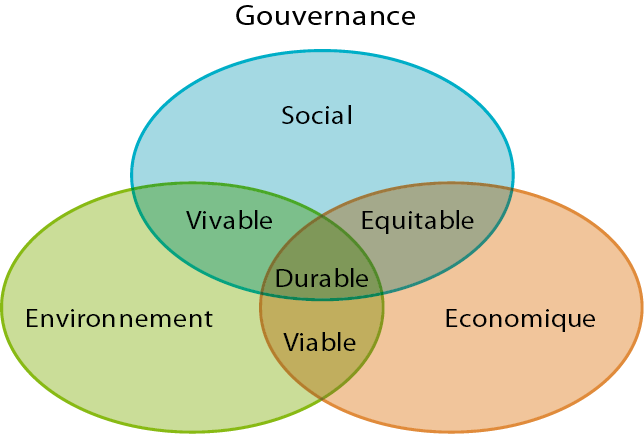


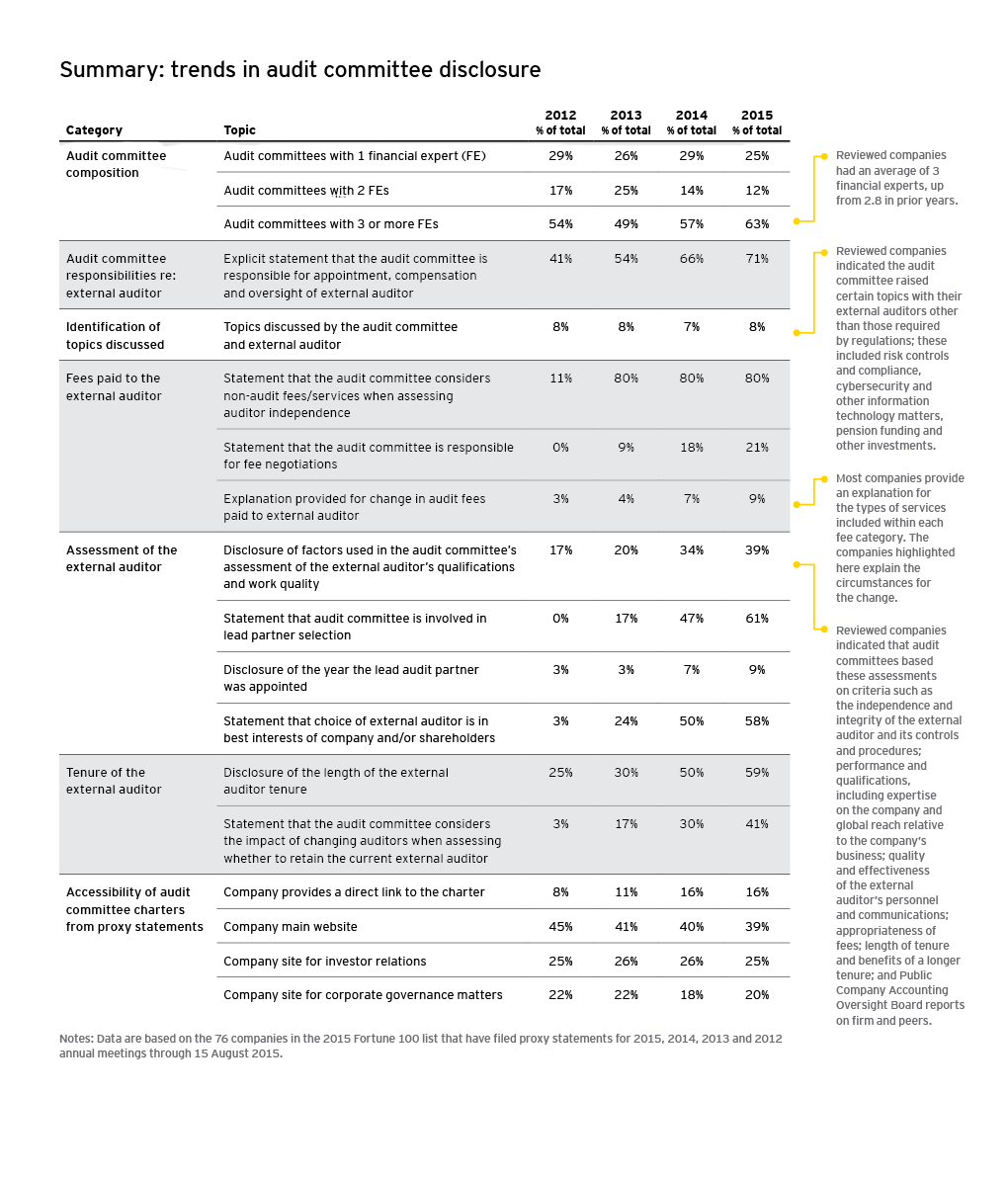
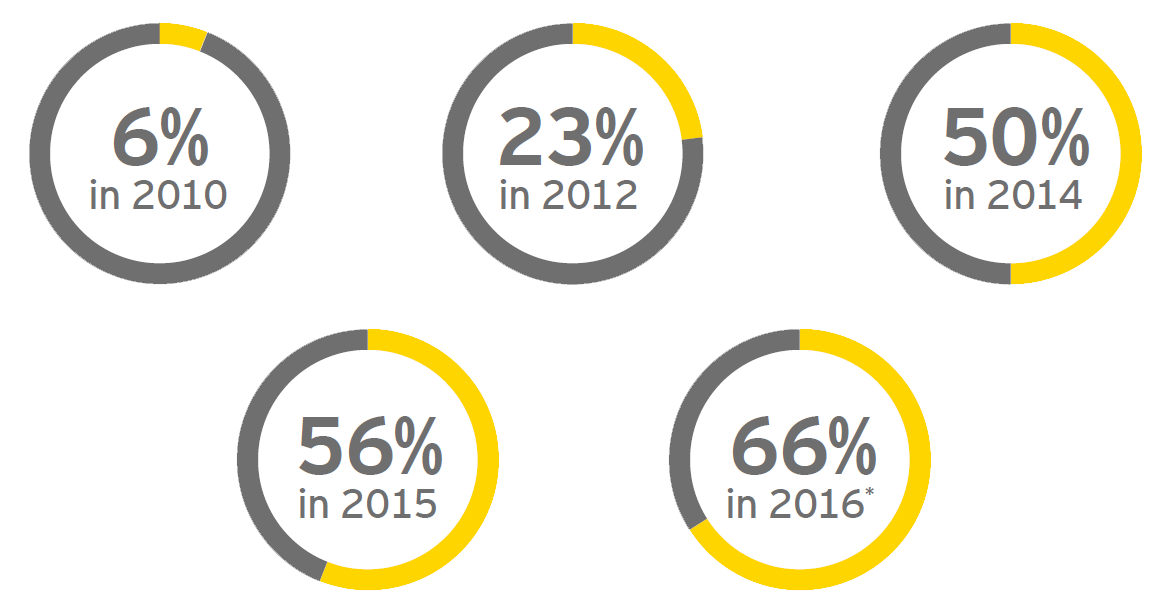

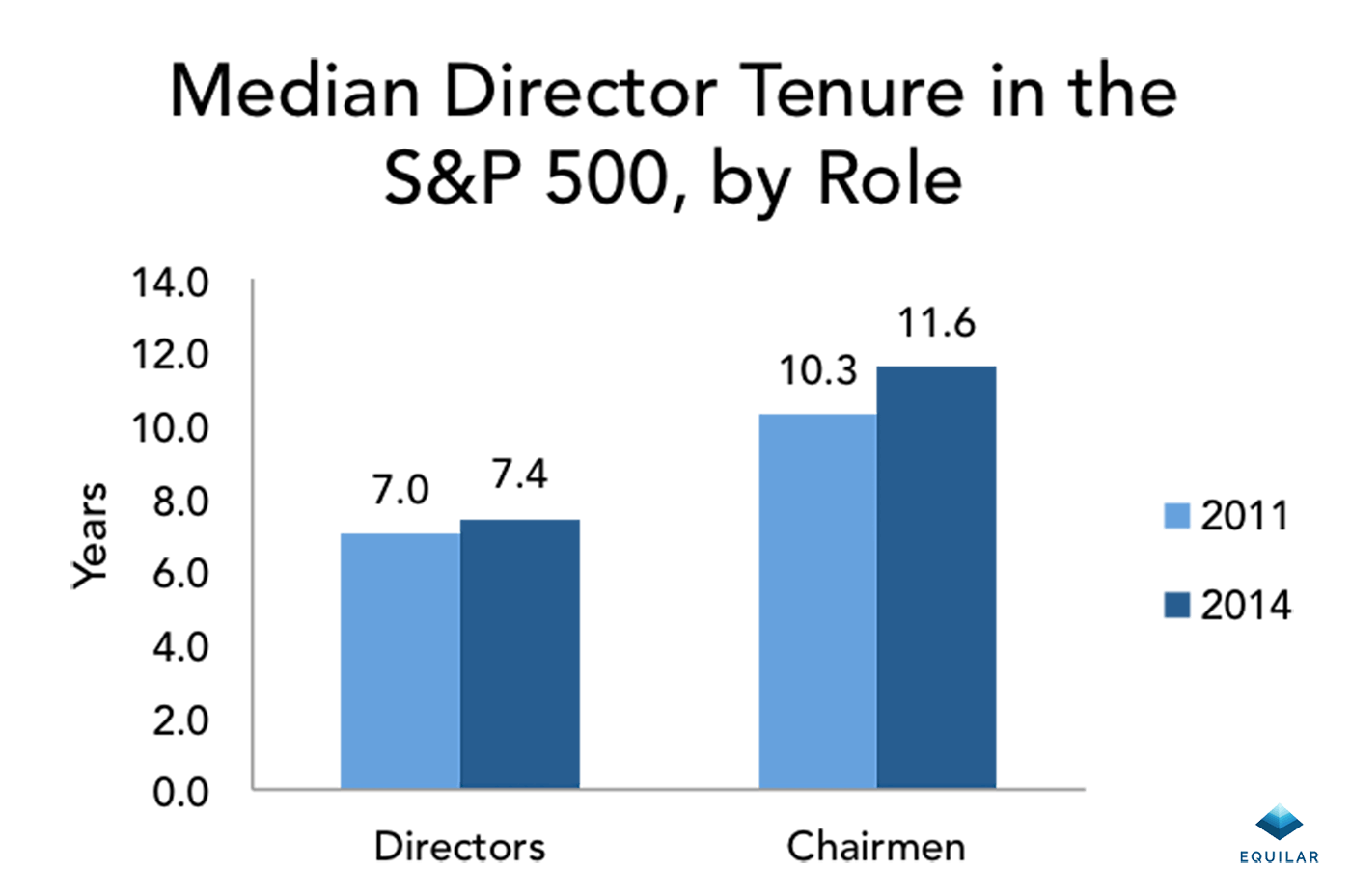


 Gouvernance | Jacques Grisé