Si l’on pouvait identifier les variables qui contribuent à créer une culture d’entreprise corrompue, pourrait-on prévoir les comportements corporatifs fautifs ?
C’est essentiellement la question de recherche à laquelle Xiaoding Liu, professeur de finance à University of Oregon’s Lundquist College of Business, a tenté de répondre dans un article utilisant une méthodologie originale et une solide analyse.
L’auteur avance qu’une culture d’entreprise souffrant d’un certain degré de corruption, c’est-à-dire ayant une culture interne plus tolérante envers le manque d’éthique, est plus susceptible de mener à des manquements corporatifs significatifs eu égard aux malversations, aux conflits d’intérêts et aux comportements organisationnels «opportunistes».
In particular, they ask whether a firm’s inherent tendency to behave opportunistically is deeply rooted in its corporate culture, commonly defined as the shared values and beliefs of a firm’s employees.
Cet article montre qu’il y a un lien significatif entre une culture interne basée sur de faibles valeurs éthiques et la probabilité d’inconduite de la direction.
De plus, l’article montre que les comportements des employés basés sur de faibles valeurs éthiques sont transmissibles à d’autres organisations et que ces conclusions s’appliquent tout autant à la direction.
C’est la raison pour laquelle les conseils d’administration doivent se préoccuper de la culture de l’entreprise, s’assurer d’avoir le pouls du climat interne et être vigilants eu égard aux manquements à l’éthique.
Il est également crucial de s’assurer d’avoir une équipe d’auditeurs internes indépendants et bien outillés qui se rapporte au comité d’audit de l’entreprise.
À la suite de ce compte rendu, vous aurez sûrement des questions d’ordre méthodologique. Si vous voulez en savoir davantage sur la démarche de l’auteur, je vous encourage fortement, même si c’est ardu, de lire l’article au complet.
A key question in corporate governance is how to control problems arising from conflicts of interest between agents and principals. The existing literature has extensively investigated traditional ways of dealing with agency problems such as hostile takeovers, the board of directors, and institutional investors, and has found mixed evidence regarding their effectiveness. Acknowledging the difficulty in designing effective governance rules to curb corporate scandals and bank failures, regulators and academics have recently turned their attention inward to the firm’s employees. In particular, they ask whether a firm’s inherent tendency to behave opportunistically is deeply rooted in its corporate culture, commonly defined as the shared values and beliefs of a firm’s employees.
In my article, Corruption Culture and Corporate Misconduct, recently published in the Journal of Financial Economics, I investigate this question by studying the role of corporate culture in influencing corporate misconduct. To do so, I create a measure of corporate corruption culture, which captures a firm’s general attitude toward opportunistic behavior. Specifically, corporate corruption culture is calculated as the average corruption attitudes of insiders (i.e., officers and directors) of a company. To measure corruption attitudes of insiders, I use a recently developed methodology from the economics literature that is generally described as the epidemiological approach (Fernández, 2011). It is based on the key idea that when individuals emigrate from their native country to a new country, their cultural beliefs and values travel with them, but their external environment is left behind. Moreover, these immigrants not only bring their beliefs and values to the new country, they also pass down these beliefs to their descendants. Thus, relevant economic outcomes at the country of ancestry are used as proxies of culture for immigrants and their descendants. Applying this approach, I use corruption in the insiders’ country of ancestry to capture corruption attitudes for insiders in the U.S., where the country of ancestry is identified based on surnames using U.S. Census data.
Using a sample of over 8,000 U.S. companies, I test the main prediction that firms with high corruption culture, which tend to be more tolerant toward corrupt behavior, are more likely to engage in corporate misconduct. Consistent with this prediction, I find that corporate corruption culture has a significant positive effect on various types of corporate misconduct such as earnings management, accounting fraud, option backdating, and opportunistic insider trading. The effects are also economically significant: a one standard deviation increase in a firm’s corruption culture is associated with an increase in the likelihood of corporate misconduct by about 2% to 7%, which are comparable to the effects of other governance measures such as board independence.
I further show that my findings are robust to controlling for time-varying local and industry factors, and traditional measures of corporate governance including the board size, the percentage of insider directors, the presence of institutional investors, and the threat of hostile takeovers. Van den Steen (2010) proposes a model of corporate culture and predicts that the appointment of a new CEO will lead to turnover through both selection and self-sorting. Thus, although corporate culture tends to be persistent over time, it is likely to change in a significant way around new CEO appointments. Motivated by this prediction, I examine corporate misconduct 5 years before and after the appointment of a new CEO while controlling for firm fixed effects. I continue to find a significant positive relation between corruption culture and corporate misconduct, which further alleviates endogeneity concerns.
The theoretical literature has predictions regarding the mechanisms through which corporate culture would affect opportunistic behavior. The first channel predicts that corruption culture acts as a selection mechanism by attracting or selecting individuals with similar corruption attitudes to the firm, where these individuals act according to their internal norms that are then reflected in corporate outcomes (Schneider, 1987). Consistent with this channel, I find that individuals with high corruption attitudes are more likely to join firms with high corruption culture and an insider is more likely to leave the firm if his corruption attitudes are more distant from the corruption attitudes of the other insiders in the firm. The second channel predicts that corruption culture can operate beyond internal norms and have a direct effect on individual behavior through group norms (Hackman, 1992). To test this channel, I examine misconduct at the insider level and focus on the sample of insiders that have moved across firms. Holding the individual constant, results show that when the same individual joins a firm with high corruption culture, his likelihood of engaging in personal misconduct increases compared to when he was at a firm with low corruption culture, consistent with corruption culture working through group norms.
In summary, I show that a firm’s corruption culture is an important determinant of the firm’s likelihood of engaging in corporate misconduct. This finding echoes the growing focus on corporate culture by regulators in an effort to curb corporate wrongdoing. Moreover, I provide evidence on the inner workings of corruption culture, showing that it influences corporate misconduct by both acting as a selection mechanism and having a direct influence on individual behavior. To the best of my knowledge, this is the first paper to construct a novel measure of corporate culture based on the ancestry origins of company insiders. By doing so, I contribute to a growing finance literature examining the influence of corporate culture on corporate behavior, where the main challenge is measurement.
Le rapport annuel de Davies est toujours très attendu car il brosse un tableau très complet de l’évolution de la gouvernance au Canada durant la dernière année.
Le document qui vient de sortir est en anglais mais la version française devrait suivre dans peu de temps.
Je vous invite donc à en prendre connaissance en lisant le court résumé ci-dessous et, si vous voulez en savoir plus sur les thèmes abordés, vous pouvez télécharger le document de 100 pages sur le site de l’entreprise.
Davies Governance Insights 2016, provides analysis of the top governance trends and issues important to Canadian boards, senior management and governance observers.
The 2016 edition provides readers with our take on important topics ranging from shareholder engagement and activism to leadership diversity and the rise in issues facing boards and general counsel. We also provide practical guidance for boards and senior management of public companies and their investors on these and many other corporate governance topics that we expect will remain under focus in the 2017 proxy season.
Voici un cas de gouvernance publié sur le site de Julie Garland McLellan* qui illustre les contradictions entre les valeurs énoncées par une école privée et celles qui semblent animer les administrateurs et les parents.
Le cas montre comment un administrateur, nouvellement élu sur un CA d’une école privée, peut se retrouver dans une situation embarrassante impliquant des comportements de harcèlement et de menaces qui affectent la santé mentale et le bien-être des employés.
Cette situation semble se présenter de plus en plus fréquemment dans les institutions d’enseignement qui visent des rendements très (trop !) élevés.
Comment Ignacio peut-il s’y prendre pour bien faire comprendre aux administrateurs de son CA leurs devoirs et leurs obligations légales d’assurer un climat de travail sain, absent d’agression de la part de certains parents ?
Le cas présente, de façon claire, une situation de culture organisationnelle déficiente ; puis, trois experts en gouvernance se prononcent sur le dilemme qui se présente aux administrateurs qui vivent des expériences similaires.
Bonne lecture ! Vos commentaires sont toujours les bienvenus.
Ignacio is an old boy of a private school with a proud sporting tradition. He was invited onto the board last year when a long-serving director retired. The school is well run with a professional principal who has the respect of the staff as well as many of the boys.
The school has worked hard to develop academic excellence and its place in rankings has improved with a greater percentage of boys qualifying for university.
At the last board meeting the CEO was absent. The chairman explained that he had taken stress leave because he couldn’t cope with bullying from some of the parents. Some directors sniggered and the rest looked embarrassed. There were a few comments about ‘needing to grow a backbone’, ‘being a pansy’, and ‘not having the guts to stand up to parents or lead the teams to victory on the field’.
Ignacio was aghast – he asked about the anti-harassment and workplace health and safety policies and was given leave by the chair « to look into ‘covering our backs’ if necessary ».
Ignacio met with the HR manager and discovered the policies were out of date and appeared to have been cut and pasted from the original Department of Education advice without customisation. From his experience running a business Ignacio is aware of the importance of mental health issues in the modern workplace and also of the legal duty of directors to provide a workplace free from bullying and harassment. School staff are all aware of a discrepancy between the stated School values and those of the board and some parents. The HR manager tells him that recent bullying by parents has become more akin to verbal and even physical assault. Staff believe the board will not support them against fee paying parents even though the school is, in theory, a not-for-profit institution.
How can Ignacio help lead his board to an understanding of their duty to provide a safe workplace?
Chris’s Answer …..
Julie’s Answer ….
Leanne’s Answer ….
*Julie Garland McLellan is a practising non-executive director and board consultant based in Sydney, Australia.
On me demande souvent de proposer un livre qui fait le tour de la question eu égard à ce qui est connu comme statistiquementvalide sur les relations entre la gouvernance et le succès des organisations (i.e. la performance financière !)
Le volume publié par David F. Larckeret Brian Tayan, professeurs au Graduate School de l’Université Stanford, en est à sa deuxième édition et il donne l’heure juste sur l’efficacité des principes de gouvernance.
Je vous recommande donc vivement ce volume.
Également, je profite de l’occasion pour vous indiquer que je viens de recevoir la dernière version des Principes de gouvernance d’entreprise du G20 et de l’OCDEen français et j’ai suggéré au Collège des administrateurs de sociétés (CAS) d’inclure cette publication dans la section Nouveauté du site du CAS.
Il s’agit d’une publication très attendue dans le monde de la gouvernance. La documentation des organismes internationaux est toujours d’abord publiée en anglais. Ce document en français de l’OCDE sur les principes de gouvernance est la bienvenue !
Voici une brève présentation du volume de Larcker. Bonne lecture !
This is the most comprehensive and up-to-date reference for implementing and sustaining superior corporate governance. Stanford corporate governance experts David Larcker and Bryan Tayan carefully synthesize current academic and professional research, summarizing what is known and unknown, and where the evidence remains inconclusive.
Corporate Governance Matters, Second Edition reviews the field’s newest research on issues including compensation, CEO labor markets, board structure, succession, risk, international governance, reporting, audit, institutional and activist investors, governance ratings, and much more. Larcker and Tayan offer models and frameworks demonstrating how the components of governance fit together, with updated examples and scenarios illustrating key points. Throughout, their balanced approach is focused strictly on two goals: to “get the story straight,” and to provide useful tools for making better, more informed decisions.
This edition presents new or expanded coverage of key issues ranging from risk management and shareholder activism to alternative corporate governance structures. It also adds new examples, scenarios, and classroom elements, making this text even more useful in academic settings. For all directors, business leaders, public policymakers, investors, stakeholders, and MBA faculty and students concerned with effective corporate governance.
Selected Editorial Reviews
An outstanding work of unique breadth and depth providing practical advice supported by detailed research.
Alan Crain, Jr., Senior Vice President and General Counsel, Baker Hughes
Extensively researched, with highly relevant insights, this book serves as an ideal and practical reference for corporate executives and students of business administration.
Narayana N.R. Murthy, Infosys Technologies
Corporate Governance Matters is a comprehensive, objective, and insightful analysis of academic and professional research on corporate governance.
Professor Katherine Schipper, Duke University, and former member of the Financial Accounting Standards Board
Nous publions ici un quatrième billet de Danielle Malboeuf* laquelle nous a soumis ses réflexions sur les grands enjeux de la gouvernance des institutions d’enseignement collégial les 23 et 27 novembre 2013, à titre d’auteure invitée.
Dans un premier billet, publié le 23 novembre 2013 sur ce blogue, on insistait sur l’importance, pour les CA des Cégep, de se donner des moyens pour assurer la présence d’administrateurs compétents dont le profil correspond à celui recherché.
D’où les propositions adressées à la Fédération des cégeps et aux CA pour préciser un profil de compétences et pour faire appel à la Banque d’administrateurs certifiés du Collège des administrateurs de sociétés (CAS), le cas échéant. Un autre enjeu identifié dans ce billet concernait la remise en question de l’indépendance des administrateurs internes.
Le deuxième billet publié le 27 novembre 2013 abordait l’enjeu entourant l’exercice de la démocratie par différentes instances au moment du dépôt d’avis au conseil d’administration.
Le troisième billet portait sur l’efficacité du rôle du président du conseil d’administration (PCA).
Ce quatrième billet est une mise à jour de son dernier article portant sur le rôle du président de conseil.
Voici donc l’article en question, reproduit ici avec la permission de l’auteure.
Vos commentaires sont appréciés. Bonne lecture.
________________________________________
LE RÔLE DU PRÉSIDENT DU CONSEIL D’ADMINISTRATION | LE CAS DES INSTITUTIONS D’ENSEIGNEMENT COLLÉGIAL
par Danielle Malboeuf*
Il y a deux ans, je publiais un article sur le rôle du président du conseil d’administration (CA) [1]. J’y rappelais le rôle crucial et déterminant du président du CA et j’y précisais, entre autres, les compétences recherchées chez cette personne et l’enrichissement attendu de son rôle.
Depuis, on peut se réjouir de constater qu’un nombre de plus en plus élevé de présidents s’engagent dans de nouvelles pratiques qui améliorent la gouvernance des institutions collégiales. Ils ne se limitent plus à jouer un rôle d’animateurs de réunions, comme on pouvait le constater dans le passé.
Notons, entre autres, que les présidents visent de plus en plus à bien s’entourer, en recherchant des personnes compétentes comme administrateurs. D’ailleurs, à cet égard, les collèges vivent une situation préoccupante. La Loi sur les collèges d’enseignement général et professionnel prévoit que le ministre [2] nomme les administrateurs externes. Ainsi, en plus de connaître des délais importants pour la nomination de nouveaux administrateurs, les collèges ont peu d’influence sur leur choix.
Présentement, les présidents et les directions générales cherchent donc à l’encadrer. Ils peuvent s’inspirer, à cet égard, des démarches initiées par d’autres organisations publiques en établissant, entre autres, un profil de compétences recherchées qu’ils transmettent au ministre. Ils peuvent ainsi tenter d’obtenir une complémentarité d’expertise dans le groupe d’administrateurs.
Une fois les administrateurs nommés, les présidents doivent se préoccuper d’assurer leur formation continue pour développer les compétences recherchées. Ils se donnent ainsi l’assurance que ces personnes comprennent bien leur rôle et leurs responsabilités et qu’elles sont outillées pour remplir le mandat qui leur est confié. De plus, ils doivent s’assurer que les administrateurs connaissent bien l’organisation, qu’ils adhèrent à sa mission et qu’ils partagent les valeurs institutionnelles. En présence d’administrateurs compétents, éclairés, et dont l’expertise est reconnue, il est plus facile d’assurer la légitimité et la crédibilité du CA et de ses décisions.
Un président performant démontrera aussi de grandes qualités de leadership. Il fera connaître à toutes les instances du milieu le mandat confié au CA. Il travaillera à mettre en place un climat de confiance au sein du CA et avec les gestionnaires de l’organisation. Il cherchera à exploiter l’ensemble des compétences et à faire jouer au CA un rôle qui va au-delà de celui de fiduciaire, soit celui de contribuer significativement à la mission première du cégep : donner une formation pertinente et de qualité où l’étudiant et sa réussite éducative sont au cœur des préoccupations.
Plusieurs ont déjà fait le virage… c’est encourageant ! Les approches préconisées par l’Institut sur la gouvernance des organismes publics et privés (IGOPP) et le Collège des administrateurs de sociétés (CAS) puis reprises dans la loi sur la gouvernance des sociétés d’État ne sont sûrement pas étrangères à cette évolution. En fournissant aux présidents de CA le soutien, la formation et les outils appropriés pour améliorer leur gouvernance, le Centre collégial des services regroupés (CCSR) [3] contribue à assurer le développement des institutions collégiales dans un contexte de saine gestion.
Un CA performant est guidé par un président compétent.
*Danielle Malboeuf est consultante et formatrice en gouvernance ; elle possède une grande expérience dans la gestion des CEGEP et dans la gouvernance des institutions d’enseignement collégial et universitaire. Elle est CGA-CPA, MBA, ASC, Gestionnaire et administratrice retraité du réseau collégial et consultante.
Le rapport annuel de Davies est toujours très attendu car il brosse un tableau très complet de l’évolution de la gouvernance au Canada durant la dernière année.
Le document qui vient de sortir est en anglais mais la version française devrait suivre dans peu de temps.
Je vous invite donc à en prendre connaissance en lisant le court résumé ci-dessous et, si vous voulez en savoir plus sur les thèmes abordés, vous pouvez télécharger le document de 100 pages sur le site de l’entreprise.
Davies Governance Insights 2016, provides analysis of the top governance trends and issues important to Canadian boards, senior management and governance observers.
The 2016 edition provides readers with our take on important topics ranging from shareholder engagement and activism to leadership diversity and the rise in issues facing boards and general counsel. We also provide practical guidance for boards and senior management of public companies and their investors on these and many other corporate governance topics that we expect will remain under focus in the 2017 proxy season.
Voici un cas de gouvernance publié sur le site de Julie Garland McLellan* qui illustre les contradictions entre les valeurs énoncées par une école privée et celles qui semblent animer les administrateurs et les parents.
Le cas montre comment un administrateur, nouvellement élu sur un CA d’une école privée, peut se retrouver dans une situation embarrassante impliquant des comportements de harcèlement et de menaces qui affectent la santé mentale et le bien-être des employés.
Cette situation semble se présenter de plus en plus fréquemment dans les institutions d’enseignement qui visent des rendements très (trop !) élevés.
Comment Ignacio peut-il s’y prendre pour bien faire comprendre aux administrateurs de son CA leurs devoirs et leurs obligations légales d’assurer un climat de travail sain, absent d’agression de la part de certains parents ?
Le cas présente, de façon claire, une situation de culture organisationnelle déficiente ; puis, trois experts en gouvernance se prononcent sur le dilemme qui se présente aux administrateurs qui vivent des expériences similaires.
Bonne lecture ! Vos commentaires sont toujours les bienvenus.
Ignacio is an old boy of a private school with a proud sporting tradition. He was invited onto the board last year when a long-serving director retired. The school is well run with a professional principal who has the respect of the staff as well as many of the boys.
The school has worked hard to develop academic excellence and its place in rankings has improved with a greater percentage of boys qualifying for university.
At the last board meeting the CEO was absent. The chairman explained that he had taken stress leave because he couldn’t cope with bullying from some of the parents. Some directors sniggered and the rest looked embarrassed. There were a few comments about ‘needing to grow a backbone’, ‘being a pansy’, and ‘not having the guts to stand up to parents or lead the teams to victory on the field’.
Ignacio was aghast – he asked about the anti-harassment and workplace health and safety policies and was given leave by the chair « to look into ‘covering our backs’ if necessary ».
Ignacio met with the HR manager and discovered the policies were out of date and appeared to have been cut and pasted from the original Department of Education advice without customisation. From his experience running a business Ignacio is aware of the importance of mental health issues in the modern workplace and also of the legal duty of directors to provide a workplace free from bullying and harassment. School staff are all aware of a discrepancy between the stated School values and those of the board and some parents. The HR manager tells him that recent bullying by parents has become more akin to verbal and even physical assault. Staff believe the board will not support them against fee paying parents even though the school is, in theory, a not-for-profit institution.
How can Ignacio help lead his board to an understanding of their duty to provide a safe workplace?
Chris’s Answer …..
Julie’s Answer ….
Leanne’s Answer ….
*Julie Garland McLellan is a practising non-executive director and board consultant based in Sydney, Australia.
On me demande souvent de proposer un livre qui fait le tour de la question eu égard à ce qui est connu comme statistiquementvalide sur les relations entre la gouvernance et le succès des organisations (i.e. la performance financière !)
Voici un article de James McRitchie, publié dans Corporate governance, qui commente succinctement le dernier volume de Richard Leblanc.
Comme je l’ai déjà mentionné dans un autre billet, le livre de Richard Leblanc est certainement l’un des plus importants ouvrages (sinon le plus important) portant sur la gouvernance du conseil d’administration.
Mentionnons également que le volume publié par David F. Larckeret Brian Tayan, professeurs au Graduate School de l’Université Stanford, en est à sa deuxième édition et il donne l’heure juste sur l’efficacité des principes de gouvernance. Voici une brève présentation du volume de Larcker.
Je vous recommande donc vivement de vous procurer ces volumes.
Enfin, je profite de l’occasion pour vous indiquer que je viens de recevoir la dernière version des Principes de gouvernance d’entreprise du G20 et de l’OCDEen français et j’ai suggéré au Collège des administrateurs de sociétés (CAS) d’inclure cette publication dans la section Nouveauté du site du CAS.
Il s’agit d’une publication très attendue dans le monde de la gouvernance. La documentation des organismes internationaux est toujours d’abord publiée en anglais. Ce document en français de l’OCDE sur les principes de gouvernance est la bienvenue !
Nous publions ici un quatrième billet de Danielle Malboeuf* laquelle nous a soumis ses réflexions sur les grands enjeux de la gouvernance des institutions d’enseignement collégial les 23 et 27 novembre 2013, à titre d’auteure invitée.
Dans un premier billet, publié le 23 novembre 2013 sur ce blogue, on insistait sur l’importance, pour les CA des Cégep, de se donner des moyens pour assurer la présence d’administrateurs compétents dont le profil correspond à celui recherché.
D’où les propositions adressées à la Fédération des cégeps et aux CA pour préciser un profil de compétences et pour faire appel à la Banque d’administrateurs certifiés du Collège des administrateurs de sociétés (CAS), le cas échéant. Un autre enjeu identifié dans ce billet concernait la remise en question de l’indépendance des administrateurs internes.
Le deuxième billet publié le 27 novembre 2013 abordait l’enjeu entourant l’exercice de la démocratie par différentes instances au moment du dépôt d’avis au conseil d’administration.
Le troisième billet portait sur l’efficacité du rôle du président du conseil d’administration (PCA).
Ce quatrième billet est une mise à jour de son dernier article portant sur le rôle du président de conseil.
Voici donc l’article en question, reproduit ici avec la permission de l’auteure.
Vos commentaires sont appréciés. Bonne lecture.
________________________________________
LE RÔLE DU PRÉSIDENT DU CONSEIL D’ADMINISTRATION | LE CAS DES INSTITUTIONS D’ENSEIGNEMENT COLLÉGIAL
par Danielle Malboeuf*
Il y a deux ans, je publiais un article sur le rôle du président du conseil d’administration (CA) [1]. J’y rappelais le rôle crucial et déterminant du président du CA et j’y précisais, entre autres, les compétences recherchées chez cette personne et l’enrichissement attendu de son rôle.
Depuis, on peut se réjouir de constater qu’un nombre de plus en plus élevé de présidents s’engagent dans de nouvelles pratiques qui améliorent la gouvernance des institutions collégiales. Ils ne se limitent plus à jouer un rôle d’animateurs de réunions, comme on pouvait le constater dans le passé.
Notons, entre autres, que les présidents visent de plus en plus à bien s’entourer, en recherchant des personnes compétentes comme administrateurs. D’ailleurs, à cet égard, les collèges vivent une situation préoccupante. La Loi sur les collèges d’enseignement général et professionnel prévoit que le ministre [2] nomme les administrateurs externes. Ainsi, en plus de connaître des délais importants pour la nomination de nouveaux administrateurs, les collèges ont peu d’influence sur leur choix.
Présentement, les présidents et les directions générales cherchent donc à l’encadrer. Ils peuvent s’inspirer, à cet égard, des démarches initiées par d’autres organisations publiques en établissant, entre autres, un profil de compétences recherchées qu’ils transmettent au ministre. Ils peuvent ainsi tenter d’obtenir une complémentarité d’expertise dans le groupe d’administrateurs.
Une fois les administrateurs nommés, les présidents doivent se préoccuper d’assurer leur formation continue pour développer les compétences recherchées. Ils se donnent ainsi l’assurance que ces personnes comprennent bien leur rôle et leurs responsabilités et qu’elles sont outillées pour remplir le mandat qui leur est confié. De plus, ils doivent s’assurer que les administrateurs connaissent bien l’organisation, qu’ils adhèrent à sa mission et qu’ils partagent les valeurs institutionnelles. En présence d’administrateurs compétents, éclairés, et dont l’expertise est reconnue, il est plus facile d’assurer la légitimité et la crédibilité du CA et de ses décisions.
Un président performant démontrera aussi de grandes qualités de leadership. Il fera connaître à toutes les instances du milieu le mandat confié au CA. Il travaillera à mettre en place un climat de confiance au sein du CA et avec les gestionnaires de l’organisation. Il cherchera à exploiter l’ensemble des compétences et à faire jouer au CA un rôle qui va au-delà de celui de fiduciaire, soit celui de contribuer significativement à la mission première du cégep : donner une formation pertinente et de qualité où l’étudiant et sa réussite éducative sont au cœur des préoccupations.
Plusieurs ont déjà fait le virage… c’est encourageant ! Les approches préconisées par l’Institut sur la gouvernance des organismes publics et privés (IGOPP) et le Collège des administrateurs de sociétés (CAS) puis reprises dans la loi sur la gouvernance des sociétés d’État ne sont sûrement pas étrangères à cette évolution. En fournissant aux présidents de CA le soutien, la formation et les outils appropriés pour améliorer leur gouvernance, le Centre collégial des services regroupés (CCSR) [3] contribue à assurer le développement des institutions collégiales dans un contexte de saine gestion.
Un CA performant est guidé par un président compétent.
*Danielle Malboeuf est consultante et formatrice en gouvernance ; elle possède une grande expérience dans la gestion des CEGEP et dans la gouvernance des institutions d’enseignement collégial et universitaire. Elle est CGA-CPA, MBA, ASC, Gestionnaire et administratrice retraité du réseau collégial et consultante.
Je me suis engagé dans la diffusion de pratiques exemplaires en matière de gouvernance depuis plus d’une décennie : d’abord, en collaborant à la conception et la gestion d’un des premiers programmes de formation en gouvernance, dans le cadre du Collège des administrateurs de sociétés (CAS) ; ensuite, en créant un blogue dont l’objectif est d’être la référence en matière de documentation en gouvernance dans le monde francophone.
En gouvernance, on parle d’éthique associée aux entreprises depuis fort longtemps, mais j’ai compris qu’il ne suffisait pas de donner bonne conscience aux membres de l’organisation en prêchant les valeurs de l’éthique ! Non, il est essentiel de communiquer le sens profond que prend cette discipline, de s’assurer que les intéressés comprennent les implications sous-jacentes, et adoptent des comportements cohérents.
On doit enseigner les notions d’éthique en exposant concrètement, par des études de cas, les dilemmes qui se présentent aux participants.
L’un des experts mondiaux les plus crédibles pour traiter de ces questions est le spécialiste René Villemure qui œuvre dans ce domaine depuis plus de 18 ans.
René est un communicateur hors pair et un conférencier très recherché pour aborder toutes les questions touchant les notions d’éthique. Il a donné des centaines de conférences sur le sujet, il a participé activement à plusieurs programmes de formation en gouvernance, notamment au CAS, et il a abondamment contribué à enrichir le débat public sur les problèmes d’ordre éthique.
René Villemure a récemment mis en œuvre un programme de formation à l’intention des membres de conseils d’administration : L’Éthique pour le conseil. « C’est “l’éthique 2.0”, qui dès aujourd’hui et pour les années à venir, vise à préparer votre réponse aux préoccupations et défis en éthique ».
Voici les objectifs poursuivis par le nouveau programme :
Augmenter la sensibilité et la compréhension de l’éthique par les membres du conseil d’administration ;
S’assurer que votre conseil d’administration soit durable en matière d’éthique ;
Répondre aux nouvelles exigences en matière d’intégrité ;
S’assurer que la culture éthique de votre entreprise est bien ancrée au sein de l’entreprise et auprès de l’ensemble de vos employés ;
Prendre une position éthique distinctive dans votre marché ;
Établir votre positionnement en matière d’éthique avec l’ensemble des parties prenantes en lien avec votre entreprise ;
Mieux adapter la gouvernance éthique de votre entreprise aux différentes cultures, valeurs et règles sur le plan éthique dans les pays avec lesquels votre entreprise transige ou dans les pays où elle est établie ;
Minimiser les impacts des changements démographiques prévisibles en facilitant le recrutement des meilleurs talents ;
Laisser une empreinte éthique durable, digne de confiance, reconnue et unique qui survivra au remplacement des administrateurs.
Pour René Villemure, il est capital de s’adresser directement au conseil d’administration et de mettre en place des interventions ciblées. Vous trouverez, ci-dessous, une présentation des grandes lignes du programme.
Plus que jamais votre organisation doit être proactive afin d’assurer la réalisation de son potentiel éthique
Augmenter la compréhension et la sensibilité du conseil en matière d’éthique
Répondez aux nouvelles exigences en matière d’intégrité
Réduisez l’écart entre les valeurs affichées et celles qui sont pratiquées
Rendez votre culture éthique durable
Attirez les meilleurs talents avec une culture éthique forte
Le programme « L’Éthique pour le conseil »
Un programme qualitatif qui mesure la sensibilité éthique des membres de conseils d’administration, ses forces et ses défis éthiques
Une méthode interactive, vote et discussions
Nos Géoramas permettront d’identifier en un coup d’oeil votre positionnement éthique
Les Axes de mesure
L’Éthique
Mission, Vision et Valeurs
Le rôle du conseil d’administration
Les critères de mesure
La Pratique
La Compréhension
L’Affiche
Le rapport
Analyse de pertinence éthique
Analyse de la Pratique, de la Compréhension et de l’Affiche
Géoramas éthiques pour chacun des axes et enjeux
Positionnement éthique global
Plan d’action
Un programme flexible et adapté à vos enjeux éthiques
Que ce soit pour initier une démarche éthique, pour valider les initiatives éthiques mises de l’avant, ou encore pour positionner l’éthique de manière durable au sein de votre organisation, le programme L’Éthique pour le conseil s’adapte au contexte et à la structure de votre organisation.
Les étapes du programme:
Analyse du contexte éthique actuel de l’organisation avec un sous-comité du conseil
Rencontre interactive avec le Conseil d’administration
Présentation du rapport, mesures et plan d’action d’Ethikos
À chaque semaine je donne la parole à Johanne Bouchard* qui agit à titre d’auteure invitée sur mon blogue en gouvernance. Ce billet est une reprise de son article publié le 27 juillet 2015.
L’auteure a une solide expérience d’interventions de consultation auprès de conseils d’administration de sociétés américaines et d’accompagnements auprès de hauts dirigeants de sociétés publiques.
Dans ce billet, elle propose dix (10) mesures que les présidents de conseils d’administration (PCA) devraient considérer afin de mieux exercer leurs rôles de leader.
Je crois que vous serez intéressés à connaître les mesures qu’une consultante chevronnée recommande aux présidents de conseils eu égard au bon fonctionnement de leurs conseils ? Elle nous invite par ailleurs à examiner le fonctionnement du CA à la lumière de ces questions.
Bonne lecture ! Vos commentaires sont les bienvenus.
L’article que je recommande aujourd’hui s’adresse aux praticiens qui se questionnent encore sur la pertinence et l’à-propos de l’utilisation des médias sociaux pour communiquer des informations financières, dans ce cas-ci par l’intermédiaire de Twitter.
Les auteurs ont procédé à une étude scientifique, l’une des plus exhaustives dans le domaine, afin de connaître les effets de la divulgation des résultats financiers sur Twitter, le média par excellence pour faire connaître, universellement et à une période bien définie, des informations concernant la performance des entreprises. L’article investigue en détail les effets bénéfiques de l’utilisation de ce canal pour disséminer des informations simultanément à toute la communauté des affaires.
L’article utilise une méthodologie scientifique rigoureuse et une analyse statistique élaborée qui peut cependant paraître un peu difficile d’accès. C’est pourquoi je vous recommande la lecture de l’extrait qui suit et qui décrit sommairement l’approche méthodologique, les questions de recherches ainsi que l’analyse des résultats.
En bref, aujourd’hui, aucune entreprise ne peut se passer de l’apport des médias sociaux pour communiquer de manière instantanée avec le marché financier. L’étude examine les stratégies que les entreprises mettent en œuvre afin de profiter au maximum des opportunités offertes à l’ère des médias sociaux (par exemple, en étant plus actives lorsque les résultats sont conformes ou dépassent les attentes des analystes financiers).
Cet article, publié dans le Harvard Law School Forum, par les professeurs James Naughton et Clare Wang de Northwestern University, Michael Jung, de New York University, et Ahmed Tahoun, du London Business School, est l’un des premiers à s’intéresser à la divulgation des résultats via Twitter.
Bonne lecture ! Vos commentaires sont les bienvenus.
Peu importe le type de conseil, l’exercice du pouvoir d’influence autour de la table est loin d’être évident. Bien qu’il y ait une personne nommée pour présider les réunions du conseil, il y a en général plusieurs personnes autour de la table qui voudront exercer leur pouvoir d’influence sur les autres. Il est fréquent pour les membres du conseil d’administration de manquer de précision au sujet de la responsabilité du président, y compris pour le président lui-même et le chef de la direction.
Encore aujourd’hui, les postes de président du conseil d’administration et de chef de la direction sont trop souvent tenus par la même personne. On peut comprendre que dans des circonstances exceptionnelles, telle une transition au niveau du chef de la direction, cela puisse être encore le cas. Cependant, afin d’assurer une gouvernance exemplaire, les postes de président du conseil d’administration et de chef de la direction doivent être séparés et occupés par deux personnes distinctes, même si cela peut créer des défis au niveau relationnel et dynamique. Ceci peut créer de la confusion quant à l’attribution des responsabilités de chacun.
Voici dix (10) mesures que vous pouvez prendre pour devenir un excellent président de CA
1. Soyez clairs au sujet de votre rôle et de celui des autres
À titre de président, votre rôle est la direction générale du conseil d’administration. Le président est responsable d’assurer la bonne gouvernance du conseil et d’établir des processus clairs que tous les membres comprennent lorsqu’on traite de questions critiques. Les conseils d’administration doivent adopter des procédures pour traiter de ces questions. Maîtrisez-les et assurez-vous que chaque personne autour de la table connaisse votre rôle et le leur, y compris le rôle du chef de la direction (ou du directeur général quand il s’agit du conseil d’administration d’un organisme à but non lucratif).
2. Le président du conseil et le chef de la direction doivent travailler ensemble, et non les uns contre les autres
Le chef de la direction assure la direction de son équipe de gestionnaires (le management) et assiste d’office aux réunions du conseil d’administration, sans nécessairement être un administrateur ; c’est le président toutefois qui dirige le conseil.
3. Établissez des règles éthique élevées
Concentrez-vous d’abord sur la gouvernance; établissez et maintenez des normes éthiques élevées, accompagnées d’un véritable code d’éthique, que les administrateurs comprennent et avec lequel ils sont d’accord et qui reflète la culture de l’entreprise. Soyez un modèle en ce qui regarde la conduite éthique. Ayez le courage de bien faire, en étant conscients des conséquences négatives de ne pas bien le faire.
4. Bâtissez et maintenez le bon conseil
Autrefois, les conseils d’administration fonctionnaient comme un groupe d’individus se réunissant pour entendre les mises à jour et prendre des décisions, sans s’engager dans la stratégie de l’entreprise. De nos jours, il est essentiel que le président du conseil d’administration bâtisse un conseil efficace avec la vision et la volonté de gérer rondement les crises majeures, avec le plus de transparence possible, le tout sans nuire à l’accomplissement des affaires quotidiennes.
5. Incitez chaque administrateur à respecter les normes d’éthique établies par le conseil
Vous devez prendre des mesures correctives lorsque le comportement d’un membre s’écarte des règles d’éthique acceptées. Il n’y a pas de place pour les excuses.
6. Définissez et respectez un ordre du jour clair
C’est la responsabilité du président de rencontrer et d’interagir avec tous les membres du conseil d’administration, ainsi qu’avec le chef de la direction (ou avec le directeur général, s’il s’agit d’un OBNL) entre les réunions du conseil pour recueillir leurs commentaires concernant les actions qui nécessitent une prise de décision et les questions non résolues qui doivent être abordées à la prochaine rencontre. Le chef de la direction doit être impliqué dans la préparation de l’ordre du jour, mais c’est le président du conseil qui doit donner son accord final. Il en est le maître.
7. Le président du conseil devrait guider le chef de la direction
Le rôle du président du conseil est de fournir de l’aide au chef de la direction entre les réunions. Il est important de soutenir le chef de la direction dans la communication des faits, bons et moins bons. Ne soyez pas complaisant avec lui. Félicitez-le, lorsque cela est justifié, et n’hésitez pas à lui dire ce qui n’est pas acceptable. Assurez-vous qu’il ne reçoive pas d’informations divergentes d’autres administrateurs de la société, et qu’il se sente confortable avec vous lorsque qu’une clarification est nécessaire ou lorsqu’il doit rester sur ses positions pour le bien de l’entreprise.
8. Le président du conseil doit prioriser la formation continue et le développement des compétences
Soyez conscients que votre leadership se doit d’être inspirant, et que vous devez avoir le pouls des enjeux en cours. Vous devez avoir des connaissances spécifiques en ce qui regarde les affaires de l’entreprise, ses clients, ses partenaires et son management. Vous devez avoir une bonne connaissance des facteurs qui menacent l’industrie, tels que la cyber-sécurité, la fraude, la mondialisation, les actionnaires activistes, etc. La surveillance des risques demeure la responsabilité du président et des membres de son conseil d’administration.
9. Le président doit guider le conseil de manière à ce qu’il établisse un processus de participation à la conception et au suivi de la planification stratégique avec le chef de la direction et son groupe de dirigeants
Les temps sont révolus où un conseil d’administration se contentait simplement d’approuver les décisions. Ne tenez pas pour acquis que le président et son conseil sont d’accord sur la meilleure stratégie à mettre en œuvre à un moment précis de croissance ou de stress de l’entreprise. Veillez à ce que les actions du conseil et celles des cadres soient bien alignées. Prenez l’initiative, avec le chef de la direction, de planifier une retraite annuelle de discussion stratégique avec les cadres. Celle-ci doit être minutieusement préparée avec le soutien d’un expert-conseil qui ne soit pas lié aux résultats, qui n’ait pas de préjugés concernant les participants, et qui soit objectif en toute circonstance.
10. Le président doit être un précurseur et tenir le CA, le chef de la direction et les autres dirigeants imputables
Évaluez annuellement l’efficacité du conseil d’administration est une quasi-nécessité de nos jours. Sincèrement, connaissez-vous une équipe dont on n’évalue pas la performance ? Alors, déléguez cette importante responsabilité au président du comité de gouvernance. Assurez-vous de reconnaître les talents de tous vos administrateurs et essayez de repérer des moyens pour améliorer votre propre leadership. Évaluez le rendement du chef de la direction ainsi que la performance de l’équipe dirigeante.
Quand j’évalue le leadership d’un conseil d’administration, je remarque que les administrateurs respectent un président qui est engagé, qui sait comment créer une culture saine au sein du conseil et qui peut soutenir son chef de la direction dans l’amélioration de son rendement. Les membres de la haute direction me rappellent souvent que les présidents de conseils d’administration peuvent amoindrir son efficacité s’ils ne sont pas clairs quant aux limites de leur rôle. Bien que les dirigeants désirent un rapprochement avec le conseil d’administration, son président ne devrait pas utiliser ces occasions pour se ranger du côté des cadres au détriment du leadership du chef de la direction. Il est crucial pour le président et les administrateurs de connaître le potentiel des hauts dirigeants.
Prenez le temps requis pour bien préparer les administrateurs avant les réunions du conseil. Soyez transparents avec eux. Devenez un leader puissant, non pas pour vous approprier un pouvoir personnel, mais pour gagner le respect que ce rôle de leader exige.
*Johanne Bouchard est consultante auprès de conseils d’administration, de chefs de la direction et de comités de direction. Johanne a développé une expertise au niveau de la dynamique et la de composition d’un conseil d’administration. Après l’obtention de son diplôme d’ingénieure en informatique, sa carrière l’a menée à œuvrer dans tous les domaines du secteur de la technologie, du marketing et de la stratégie à l’échelle mondiale.
Cette semaine, nous avons demandé à Richard Thibault*, président de RTCOMM, d’agir à titre d’auteur invité. Son billet présente sept leçons tirées de son expérience comme consultant en gestion de crise. En tant que membres de conseils d’administration, vous aurez certainement l’occasion de vivre des crises significatives et il est important de connaître les règles que la direction doit observer en pareilles circonstances.
Voici donc l’article en question, reproduit ici avec la permission de l’auteur. Vos commentaires sont appréciés. Bonne lecture.
Sept leçons apprises en matière de communications de crise
Par Richard Thibault*
La crise la mieux gérée est, dit-on, celle que l’on peut éviter. Mais il arrive que malgré tous nos efforts pour l’éviter, la crise frappe et souvent, très fort. Dans toute situation de crise, l’objectif premier est d’en sortir le plus rapidement possible, avec le moins de dommages possibles, sans compromettre le développement futur de l’organisation.
Voici sept leçons dont il faut s’inspirer en matière de communication de crise, sur laquelle on investit généralement 80% de nos efforts, et de notre budget, en de telles situations.
(1) Le choix du porte-parole
Les médias voudront tout savoir. Mais il faudra aussi communiquer avec l’ensemble de nos clientèles internes et externes. Avoir un porte-parole crédible et bien formé est essentiel. On ne s’improvise pas porte-parole, on le devient. Surtout en situation de crise, alors que la tension est parfois extrême, l’organisation a besoin de quelqu’un de crédible et d’empathique à l’égard des victimes. Cette personne devra être en possession de tous ses moyens pour porter adéquatement son message et elle aura appris à éviter les pièges. Le choix de la plus haute autorité de l’organisation comme porte-parole en situation de crise n’est pas toujours une bonne idée. En crise, l’information dont vous disposez et sur laquelle vous baserez vos décisions sera changeante, contradictoire même, surtout au début. Risquer la crédibilité du chef de l’organisation dès le début de la crise peut être hasardeux. Comment le contredire ensuite sans nuire à son image et à la gestion de la crise elle-même ?
(2) S’excuser publiquement si l’on est en faute
S’excuser pour la crise que nous avons provoqué, tout au moins jusqu’à ce que notre responsabilité ait été officiellement dégagée, est une décision-clé de toute gestion de crise, surtout si notre responsabilité ne fait aucun doute. En de telles occasions, il ne faut pas tenter de défendre l’indéfendable. Ou pire, menacer nos adversaires de poursuites ou jouer les matamores avec les agences gouvernementales qui nous ont pris en défaut. On a pu constater les impacts négatifs de cette stratégie utilisée par la FTQ impliquée dans une histoire d’intimidation sur les chantiers de la Côte-Nord, à une certaine époque. Règle générale : mieux vaut s’excuser, être transparent et faire preuve de réserve et de retenue jusqu’à ce que la situation ait été clarifiée.
(3) Être proactif
Dans un conflit comme dans une gestion de crise, le premier à parler évite de se laisser définir par ses adversaires, établit l’agenda et définit l’angle du message. On vous conseillera peut-être de ne pas parler aux journalistes. Je prétends pour ma part que si, légalement, vous n’êtes pas obligés de parler aux médias, eux, en contrepartie, pourront légalement parler de vous et ne se priveront pas d’aller voir même vos opposants pour s’alimenter. En août 2008, la canadienne Maple Leaf, compagnie basée à Toronto, subissait la pire crise de son histoire suite au décès et à la maladie de plusieurs de ses clients. Lorsque le lien entre la listériose et Maple Leaf a été confirmé, cette dernière a été prompte à réagir autant dans ses communications et son attitude face aux médias que dans sa gestion de la crise. La compagnie a très rapidement retiré des tablettes des supermarchés les produits incriminés. Elle a lancé une opération majeure de nettoyage, qu’elle a d’ailleurs fait au grand jour, et elle a offert son support aux victimes. D’ailleurs, la gestion des victimes est généralement le point le plus sensible d’une gestion de crise réussie.
(4) Régler le problème et dire comment
Dès les débuts de la crise, Maple Leaf s’est mise immédiatement au service de l’Agence canadienne d’inspection des aliments, offrant sa collaboration active et entière pour déterminer la cause du problème. Dans le même secteur alimentaire, tout le contraire de ce qu’XL Foods a fait quelques années plus tard. Chez Maple Leaf, tout de suite, des experts reconnus ont été affectés à la recherche de solutions. On pouvait reprocher à la compagnie d’être à la source du problème, mais certainement pas de se trainer les pieds en voulant le régler. Encore une fois, en situation de crise, camoufler sa faute ou refuser de voir publiquement la réalité en face est décidément une stratégie à reléguer aux oubliettes. Plusieurs années auparavant, Tylenol avait montré la voie en retirant rapidement ses médicaments des tablettes et en faisant la promotion d’une nouvelle méthode d’emballage qui est devenue une méthode de référence aujourd’hui.
(5) Employer le bon message
Il est essentiel d’utiliser le bon message, au bon moment, avec le bon messager, diffusé par le bon moyen. Les premiers messages surtout sont importants. Ils serviront à exprimer notre empathie, à confirmer les faits et les actions entreprises, à expliquer le processus d’intervention, à affirmer notre désir d’agir et à dire où se procurer de plus amples informations. Si la gestion des médias est névralgique, la gestion de l’information l’est tout autant. En situation de crise, on a souvent tendance à s’asseoir sur l’information et à ne la partager qu’à des cercles restreints, ou, au contraire, à inonder nos publics d’informations inutiles. Un juste milieu doit être trouvé entre ces deux stratégies sachant pertinemment que le message devra évoluer en même temps que la crise.
(6) Être conséquent et consistant
Même s’il évolue en fonction du stade de la crise, le message de base doit pourtant demeurer le même. Dans l’exemple de Maple Leaf évoqué plus haut, bien que de nouveaux éléments aient surgi au fur et à mesure de l’évolution de la crise, le message de base, à savoir la mise en œuvre de mesures visant à assurer la santé et la sécurité du public, a été constamment repris sur tous les tons. Ainsi, Maple Leaf s’est montrée à la fois consistante en respectant sa ligne de réaction initiale et conséquente, en restant en phase avec le développement de la situation.
(7) Être ouvert d’esprit
Dans toute situation de crise, une attitude d’ouverture s’avérera gagnante. Que ce soit avec les médias, les victimes, nos employés, nos partenaires ou les agences publiques de contrôle, un esprit obtus ne fera qu’envenimer la situation. D’autant plus qu’en situation de crise, ce n’est pas vraiment ce qui est arrivé qui compte mais bien ce que les gens pensent qui est arrivé. Il faut donc suivre l’actualité afin de pouvoir anticiper l’angle que choisiront les médias et s’y préparer en conséquence.
En conclusion
Dans une perspective de gestion de crise, il est essentiel de disposer d’un plan d’action au préalable, même s’il faut l’appliquer avec souplesse pour répondre à l’évolution de la situation. Lorsque la crise a éclaté, c’est le pire moment pour commencer à s’organiser. Il est essentiel d’établir une culture de gestion des risques et de gestion de crise dans l’organisation avant que la crise ne frappe. Comme le dit le vieux sage, » pour être prêt, faut se préparer ! »
*Richard Thibault, ABCP
Président de RTCOMM, une entreprise spécialisée en positionnement stratégique et en gestion de crise
Menant de front des études de Droit à l’Université Laval de Québec, une carrière au théâtre, à la radio et à la télévision, Richard Thibault s’est très tôt orienté vers le secteur des communications, duquel il a développé une expertise solide et diversifiée. Après avoir été animateur, journaliste et recherchiste à la télévision et à la radio de la région de Québec pendant près de cinq ans, il a occupé le poste d’animateur des débats et de responsable des affaires publiques de l’Assemblée nationale de 1979 à 1987.
Richard Thibault a ensuite tour à tour assumé les fonctions de directeur de cabinet et d’attaché de presse de plusieurs ministres du cabinet de Robert Bourassa, de conseiller spécial et directeur des communications à la Commission de la santé et de la sécurité au travail et de directeur des communications chez Les Nordiques de Québec.
En 1994, il fonda Richard Thibault Communications inc. (RTCOMM). D’abord spécialisée en positionnement stratégique et en communication de crise, l’entreprise a peu à peu élargi son expertise pour y inclure tous les champs de pratique de la continuité des affaires. D’autre part, reconnaissant l’importance de porte-parole qualifiés en période trouble, RTCOMM dispose également d’une école de formation à la parole en public. Son programme de formation aux relations avec les médias est d’ailleurs le seul programme de cette nature reconnu par le ministère de la Sécurité publique du Québec, dans un contexte de communication d’urgence. Ce programme de formation est aussi accrédité par le Barreau du Québec.
Richard Thibault est l’auteur de Devenez champion dans vos communications et de Osez parler en public, publié aux Éditions MultiMondes et de Comment gérer la prochaine crise, édité chez Transcontinental, dans la Collection Entreprendre. Praticien reconnu de la gestion des risques et de crise, il est accrédité par la Disaster Recovery Institute International (DRII).
Spécialités :Expert en positionnement stratégique, gestion des risques, communications de crise, continuité des affaires, formation à la parole en public.
Plusieurs administrateurs et formateurs me demandent de leur proposer un document de vulgarisation sur le sujet de la gouvernance. J’ai déjà diffusé sur mon blogue un guide à l’intention des journalistes spécialisés dans le domaine de la gouvernance des sociétés à travers le monde. Il a été publié par le Global Corporate Governance Forum et International Finance Corporation (un organisme de la World Bank) en étroite coopération avec International Center for Journalists.
Je n’ai encore rien vu de plus complet et de plus pertinent sur la meilleure manière d’appréhender les multiples problématiques reliées à la gouvernance des entreprises mondiales. La direction de Global Corporate Governance Forum m’a fait parvenir le document en français le 14 février.
Ce guide est un outil pédagogique indispensable pour acquérir une solide compréhension des diverses facettes de la gouvernance des sociétés. Les auteurs ont multiplié les exemples de problèmes d’éthiques et de conflits d’intérêts liés à la conduite des entreprises mondiales.
On apprend aux journalistes économiques — et à toutes les personnes préoccupées par la saine gouvernance — à raffiner les investigations et à diffuser les résultats des analyses effectuées. Je vous recommande fortement de lire le document, mais aussi de le conserver en lieu sûr car il est fort probable que vous aurez l’occasion de vous en servir.
Vous trouverez ci-dessous quelques extraits de l’introduction à l’ouvrage. Bonne lecture !
« This Guide is designed for reporters and editors who already have some experience covering business and finance. The goal is to help journalists develop stories that examine how a company is governed, and spot events that may have serious consequences for the company’s survival, shareholders and stakeholders. Topics include the media’s role as a watchdog, how the board of directors functions, what constitutes good practice, what financial reports reveal, what role shareholders play and how to track down and use information shedding light on a company’s inner workings. Journalists will learn how to recognize “red flags,” or warning signs, that indicate whether a company may be violating laws and rules. Tips on reporting and writing guide reporters in developing clear, balanced, fair and convincing stories.
Three recurring features in the Guide help reporters apply “lessons learned” to their own “beats,” or coverage areas:
– Reporter’s Notebook: Advise from successful business journalists
– Story Toolbox: How and where to find the story ideas
– What Do You Know? Applying the Guide’s lessons
Each chapter helps journalists acquire the knowledge and skills needed to recognize potential stories in the companies they cover, dig out the essential facts, interpret their findings and write clear, compelling stories:
What corporate governance is, and how it can lead to stories. (Chapter 1, What’s good governance, and why should journalists care?)
How understanding the role that the board and its committees play can lead to stories that competitors miss. (Chapter 2, The all-important board of directors)
Shareholders are not only the ultimate stakeholders in public companies, but they often are an excellent source for story ideas. (Chapter 3, All about shareholders)
Understanding how companies are structured helps journalists figure out how the board and management interact and why family-owned and state-owned enterprises (SOEs), may not always operate in the best interests of shareholders and the public. (Chapter 4, Inside family-owned and state-owned enterprises)
Regulatory disclosures can be a rich source of exclusive stories for journalists who know where to look and how to interpret what they see. (Chapter 5, Toeing the line: regulations and disclosure)
Reading financial statements and annual reports — especially the fine print — often leads to journalistic scoops. (Chapter 6, Finding the story behind the numbers)
Developing sources is a key element for reporters covering companies. So is dealing with resistance and pressure from company executives and public relations directors. (Chapter 7, Writing and reporting tips)
Each chapter ends with a section on Sources, which lists background resources pertinent to that chapter’s topics. At the end of the Guide, a Selected Resources section provides useful websites and recommended reading on corporate governance. The Glossary defines terminology used in covering companies and corporate governance ».
Plusieurs OBNL sont à la recherche d’un document présentant les principes les plus importants s’appliquant aux organismes à buts charitables.
Le site ci-dessous vous mènera à une description sommaire des principes de gouvernance qui vous servirons de guide dans la gestion et la surveillance des OBNL de ce type. J’espère que ces informations vous seront utiles.
Vous pouvez également vous procurer le livre The Complete Principles for Good Governance and Ethical Practice.
What are the principles ?
The Principles for Good Governance and Ethical Practice outlines 33 principles of sound practice for charitable organizations and foundations related to legal compliance and public disclosure, effective governance, financial oversight, and responsible fundraising. The Principles should be considered by every charitable organization as a guide for strengthening its effectiveness and accountability. The Principles were developed by the Panel on the Nonprofit Sector in 2007 and updated in 2015 to reflect new circumstances in which the charitable sector functions, and new relationships within and between the sectors.
The Principles Organizational Assessment Tool allows organizations to determine their strengths and weaknesses in the application of the Principles, based on its four key content areas (Legal Compliance and Public Disclosure, Effective Governance, Strong Financial Oversight, and Responsible Fundraising). This probing tool asks not just whether an organization has the requisite policies and practices in place, but also enables an organization to determine the efficacy of those practices. After completing the survey (by content area or in full), organizations will receive a score report for each content area and a link to suggested resources for areas of improvement.
Voici une liste des 33 principes énoncés. Bonne lecture !
Ayant collaboré à la réalisation du volume « Améliorer la gouvernance de votre OSBL » des auteurs Jean-Paul Gagné et Daniel Lapointe, j’ai obtenu la primeur de la publication d’un chapitre sur mon blogue en gouvernance.
Le volume a paru en mars. Pour vous donner un aperçu de cette importante publication sur la gouvernance des organisations sans but lucratif (OSBN), j’ai eu la permission des éditeurs, Éditions Caractère et Éditions Transcontinental, de publier l’intégralité du chapitre 4 qui porte sur la composition du conseil d’administration et le recrutement d’administrateurs d’OSBL.
Je suis donc très fier de vous offrir cette primeur et j’espère que le sujet vous intéressera suffisamment pour vous inciter à vous procurer cette nouvelle publication.
Vous trouverez, ci-dessous, un court extrait de la page d’introduction du chapitre 4. Je vous invite à cliquer sur le lien suivant pour avoir accès à l’intégralité du chapitre.
Vous pouvez également feuilleter cet ouvrage en cliquant ici
Bonne lecture ! Vos commentaires sont les bienvenus.
__________________________________
Les administrateurs d’un OSBL sont généralement élus dans le cadre d’un processus électoral tenu lors d’une assemblée générale des membres. Ils peuvent aussi faire l’objet d’une cooptation ou être désignés en vertu d’un mécanisme particulier prévu dans une loi (tel le Code des professions).
L’élection des administrateurs par l’assemblée générale emprunte l’un ou l’autre des deux scénarios suivants:
1. Les OSBL ont habituellement des membres qui sont invités à une assemblée générale annuelle et qui élisent des administrateurs aux postes à pourvoir. Le plus souvent, les personnes présentes sont aussi appelées à choisir l’auditeur qui fera la vérification des états financiers de l’organisation pour l’exercice en cours.
2. Certains OSBL n’ont pas d’autres membres que leurs administrateurs. Dans ce cas, ces derniers se transforment une fois par année en membres de l’assemblée générale, élisent des administrateurs aux postes vacants et choisissent l’auditeur qui fera la vérification des états financiers de l’organisation pour l’exercice en cours.
La cooptation autorise le recrutement d’administrateurs en cours d’exercice. Les personnes ainsi choisies entrent au CA lors de la première réunion suivant celle où leur nomination a été approuvée. Ils y siègent de plein droit, en dépit du fait que celle-ci ne sera entérinée qu’à l’assemblée générale annuelle suivante. La cooptation n’est pas seulement utile pour pourvoir rapidement aux postes vacants; elle a aussi comme avantage de permettre au conseil de faciliter la nomination de candidats dont le profil correspond aux compétences recherchées.
Dans les organisations qui élisent leurs administrateurs en assemblée générale, la sélection en fonction des profils déterminés peut présenter une difficulté : en effet, il peut arriver que les membres choisissent des administrateurs selon des critères qui ont peu à voir avec les compétences recherchées, telles leur amabilité, leur popularité, etc. Le comité du conseil responsable du recrutement d’administrateurs peut présenter une liste de candidats (en mentionnant leurs qualifications pour les postes à pourvoir) dans l’espoir que l’assemblée lui fasse confiance et les élise. Certains organismes préfèrent coopter en cours d’exercice, ce qui les assure de recruter un administrateur qui a le profil désiré et qui entrera en fonction dès sa sélection.
Quant à l’élection du président du conseil et, le cas échéant, du vice-président, du secrétaire et du trésorier, elle est généralement faite par les administrateurs. Dans les ordres professionnels, le Code des professions leur permet de déterminer par règlement si le président est élu par le conseil d’administration ou au suffrage universel des membres. Comme on l’a vu, malgré son caractère démocratique, l’élection du président au suffrage universel des membres présente un certain risque, puisqu’un candidat peut réussir à se faire élire à ce poste sans expérience du fonctionnement d’un CA ou en poursuivant un objectif qui tranche avec la mission, la vision ou encore le plan stratégique de l’organisation. Cet enjeu ne doit pas être pris à la légère par le CA. Une façon de minimiser ce risque est de faire connaître aux membres votants le profil recherché pour le président, profil qui aura été préalablement établi par le conseil. On peut notamment y inclure une expérience de conseil d’administration, ce qui aide à réduire la période d’apprentissage du nouveau président et facilite une transition en douceur.
Voici une « lettre ouverte » publiée sur le forum de la Harvard Law School on Corporate Governance par un groupe d’éminents dirigeants de sociétés publiques (cotées) qui présente les principes de la saine gouvernance : « The Commonsense Principles of Corporate Governance »*.
Les principes sont regroupés en plusieurs thèmes :
La composition du CA et la gouvernance interne
Composition
Élection des administrateurs
Nomination des administrateurs
Rémunération des administrateurs et la propriété d’actions
Structure et fonctionnement des comités du conseil
Nombre de mandats et âge de la retraite
Efficacité des administrateurs
Responsabilités des administrateurs
Communication des administrateurs avec de tierces parties
Activités cruciales du conseil : préparer les ordres du jour
Le droit des actionnaires
La reddition de comptes et la divulgation des activités
Le leadership du conseil
La planification de la relève managériale
La rémunération de la direction
Le rôle du gestionnaire des actifs des clients dans la gouvernance des sociétés
Bonne lecture ! Vos commentaires sont les bienvenus.
The following is a series of corporate governance principles for public companies, their boards of directors and their shareholders. These principles are intended to provide a basic framework for sound, long-term-oriented governance. But given the differences among our many public companies—including their size, their products and services, their history and their leadership—not every principle (or every part of every principle) will work for every company, and not every principle will be applied in the same fashion by all companies.
I. Board of Directors—Composition and Internal Governance
a. Composition
Directors’ loyalty should be to the shareholders and the company. A board must not be beholden to the CEO or management. A significant majority of the board should be independent under the New York Stock Exchange rules or similar standards.
All directors must have high integrity and the appropriate competence to represent the interests of all shareholders in achieving the long-term success of their company. Ideally, in order to facilitate engaged and informed oversight of the company and the performance of its management, a subset of directors will have professional experiences directly related to the company’s business. At the same time, however, it is important to recognize that some of the best ideas, insights and contributions can come from directors whose professional experiences are not directly related to the company’s business.
Directors should be strong and steadfast, independent of mind and willing to challenge constructively but not be divisive or self-serving. Collaboration and collegiality also are critical for a healthy, functioning board.
Directors should be business savvy, be shareholder oriented and have a genuine passion for their company.
Directors should have complementary and diverse skill sets, backgrounds and experiences. Diversity along multiple dimensions is critical to a high-functioning board. Director candidates should be drawn from a rigorously diverse pool.
While no one size fits all—boards need to be large enough to allow for a variety of perspectives, as well as to manage required board processes—they generally should be as small as practicable so as to promote an open dialogue among directors.
Directors need to commit substantial time and energy to the role. Therefore, a board should assess the ability of its members to maintain appropriate focus and not be distracted by competing responsibilities. In so doing, the board should carefully consider a director’s service on multiple boards and other commitments.
b. Election of directors
Directors should be elected by a majority of the votes cast “for” and “against/withhold” (i.e., abstentions and non-votes should not be counted for this purpose).
c. Nominating directors
Long-term shareholders should recommend potential directors if they know the individuals well and believe they would be additive to the board.
A company is more likely to attract and retain strong directors if the board focuses on big-picture issues and can delegate other matters to management (see below at II.b., “Board of Directors’ Responsibilities/Critical activities of the board; setting the agenda”).
d. Director compensation and stock ownership
A company’s independent directors should be fairly and equally compensated for board service, although (i) lead independent directors and committee chairs may receive additional compensation and (ii) committee service fees may vary. If directors receive any additional compensation from the company that is not related to their service as a board member, such activity should be disclosed and explained.
Companies should consider paying a substantial portion (e.g., for some companies, as much as 50% or more) of director compensation in stock, performance stock units or similar equity-like instruments. Companies also should consider requiring directors to retain a significant portion of their equity compensation for the duration of their tenure to further directors’ economic alignment with the long-term performance of the company.
e. Board committee structure and service
Companies should conduct a thorough and robust orientation program for their new directors, including background on the industry and the competitive landscape in which the company operates, the company’s business, its operations, and important legal and regulatory issues, etc.
A board should have a well-developed committee structure with clearly understood responsibilities. Disclosures to shareholders should describe the structure and function of each board committee.
Boards should consider periodic rotation of board leadership roles (i.e., committee chairs and the lead independent director), balancing the benefits of rotation against the benefits of continuity, experience and expertise.
f. Director tenure and retirement age
It is essential that a company attract and retain strong, experienced and knowledgeable board members.
Some boards have rules around maximum length of service and mandatory retirement age for directors; others have such rules but permit exceptions; and still others have no such rules at all. Whatever the case, companies should clearly articulate their approach on term limits and retirement age. And insofar as a board permits exceptions, the board should explain (ordinarily in the company’s proxy statement) why a particular exception was warranted in the context of the board’s assessment of its performance and composition.
Board refreshment should always be considered in order to ensure that the board’s skill set and perspectives remain sufficiently current and broad in dealing with fast-changing business dynamics. But the importance of fresh thinking and new perspectives should be tempered with the understanding that age and experience often bring wisdom, judgment and knowledge.
g. Director effectiveness
Boards should have a robust process to evaluate themselves on a regular basis, led by the non-executive chair, lead independent director or appropriate committee chair. The board should have the fortitude to replace ineffective directors.
II. Board of Directors’ Responsibilities
a. Director communication with third parties
Robust communication of a board’s thinking to the company’s shareholders is important. There are multiple ways of going about it. For example, companies may wish to designate certain directors—as and when appropriate and in coordination with management—to communicate directly with shareholders on governance and key shareholder issues, such as CEO compensation. Directors who communicate directly with shareholders ideally will be experienced in such matters.
Directors should speak with the media about the company only if authorized by the board and in accordance with company policy.
In addition, the CEO should actively engage on corporate governance and key shareholder issues (other than the CEO’s own compensation) when meeting with shareholders.
b. Critical activities of the board; setting the agenda
The full board (including, where appropriate, through the non-executive chair or lead independent director) should have input into the setting of the board agenda.
Over the course of the year, the agenda should include and focus on the following items, among others:
A robust, forward-looking discussion of the business.
The performance of the current CEO and other key members of management and succession planning for each of them. One of the board’s most important jobs is making sure the company has the right CEO. If the company does not have the appropriate CEO, the board should act promptly to address the issue.
Creation of shareholder value, with a focus on the long term. This means encouraging the sort of long-term thinking owners of a private company might bring to their strategic discussions, including investments that may not pay off in the short run.
Major strategic issues (including material mergers and acquisitions and major capital commitments) and long-term strategy, including thorough consideration of operational and financial plans, quantitative and qualitative key performance indicators, and assessment of organic and inorganic growth, among others.
The board should receive a balanced assessment on strategic fit, risks and valuation in connection with material mergers and acquisitions. The board should consider establishing an ad hoc Transaction Committee if significant board time is otherwise required to consider a material merger or acquisition. If the company’s stock is to be used in such a transaction, the board should carefully assess the company’s valuation relative to the valuation implied in the acquisition. The objective is to properly evaluate the value of what you are giving vs. the value of what you are getting.
Significant risks, including reputational risks. The board should not be reflexively risk averse; it should seek the proper calibration of risk and reward as it focuses on the long-term interests of the company’s shareholders.
Standards of performance, including the maintaining and strengthening of the company’s culture and values.
Material corporate responsibility matters.
Shareholder proposals and key shareholder concerns.
The board (or appropriate board committee) should determine the best approach to compensate management, taking into account all the factors it deems appropriate, including corporate and individual performance and other qualitative and quantitative factors (see below at VII., “Compensation of Management”).
A board should be continually educated on the company and its industry. If a Board feels it would be productive, outside experts and advisors should be brought in to inform directors on issues and events affecting the company.
The board should minimize the amount of time it spends on frivolous or non-essential matters—the goal is to provide perspective and make decisions to build real value for the company and its shareholders.
As authorized and coordinated by the board, directors should have unfettered access to management, including those below the CEO’s direct reports.
At each meeting, to ensure open and free discussion, the board should meet in executive session without the CEO or other members of management. The independent directors should ensure that they have enough time to do this properly.
The board (or appropriate board committee) should discuss and approve the CEO’s compensation.
In addition to its other responsibilities, the Audit Committee should focus on whether the company’s financial statements would be prepared or disclosed in a materially different manner if the external auditor itself were solely responsible for their preparation.
III. Shareholder Rights
Many public companies and asset managers have recently reviewed their approach to proxy access. Others have not yet undertaken such a review or may have one under way. Among the larger market capitalization companies that have adopted proxy access provisions, generally a shareholder (or group of up to 20 shareholders) who has continuously held a minimum of 3% of the company’s outstanding shares for three years is eligible to include on the company’s proxy statement nominees for a minimum of 20% (and, in some cases, 25%) of the company’s board seats. Generally, only shares in which the shareholder has full, unhedged economic interest count toward satisfaction of the ownership/holding period requirements. A higher threshold of ownership (e.g., 5%) often has been adopted for smaller market capitalization companies (e.g., less than $2 billion).
Dual-class voting is not a best practice. If a company has dual-class voting, which sometimes is intended to protect the company from short-term behavior, the company should consider having specific sunset provisions based upon time or a triggering event, which eliminate dual-class voting. In addition, all shareholders should be treated equally in any corporate transaction.
Written consent and special meeting provisions can be important mechanisms for shareholder action. Where they are adopted, there should be a reasonable minimum amount of outstanding shares required in order to prevent a small minority of shareholders from being able to abuse the rights or waste corporate time and resources.
IV. Public Reporting
Transparency around quarterly financial results is important.
Companies should frame their required quarterly reporting in the broader context of their articulated strategy and provide an outlook, as appropriate, for trends and metrics that reflect progress (or not) on long-term goals. A company should not feel obligated to provide earnings guidance—and should determine whether providing earnings guidance for the company’s shareholders does more harm than good. If a company does provide earnings guidance, the company should be realistic and avoid inflated projections. Making short-term decisions to beat guidance (or any performance benchmark) is likely to be value destructive in the long run.
As appropriate, long-term goals should be disclosed and explained in a specific and measurable way.
A company should take a long-term strategic view, as though the company were private, and explain clearly to shareholders how material decisions and actions are consistent with that view.
Companies should explain when and why they are undertaking material mergers or acquisitions or major capital commitments.
Companies are required to report their results in accordance with Generally Accepted Accounting Principles (“GAAP”). While it is acceptable in certain instances to use non-GAAP measures to explain and clarify results for shareholders, such measures should be sensible and should not be used to obscure GAAP results. In this regard, it is important to note that all compensation, including equity compensation, is plainly a cost of doing business and should be reflected in any non-GAAP measurement of earnings in precisely the same manner it is reflected in GAAP earnings.
V. Board Leadership (Including the Lead Independent Director’s Role)
The board’s independent directors should decide, based upon the circumstances at the time, whether it is appropriate for the company to have separate or combined chair and CEO roles. The board should explain clearly (ordinarily in the company’s proxy statement) to shareholders why it has separated or combined the roles.
If a board decides to combine the chair and CEO roles, it is critical that the board has in place a strong designated lead independent director and governance structure.
Depending on the circumstances, a lead independent director’s responsibilities may include:
Serving as liaison between the chair and the independent directors
Presiding over meetings of the board at which the chair is not present, including executive sessions of the independent directors
Ensuring that the board has proper input into meeting agendas for, and information sent to, the board
Having the authority to call meetings of the independent directors
Insofar as the company’s board wishes to communicate directly with shareholders, engaging (or overseeing the board’s process for engaging) with those shareholders
Guiding the annual board self-assessment
Guiding the board’s consideration of CEO compensation
Guiding the CEO succession planning process
VI. Management Succession Planning
Senior management bench strength can be evaluated by the board and shareholders through an assessment of key company employees; direct exposure to those employees is helpful in making that assessment.
Companies should inform shareholders of the process the board has for succession planning and also should have an appropriate plan if an unexpected, emergency succession is necessary.
VII. Compensation of Management
To be successful, companies must attract and retain the best people—and competitive compensation of management is critical in this regard. To this end, compensation plans should be appropriately tailored to the nature of the company’s business and the industry in which it competes. Varied forms of compensation may be necessary for different types of businesses and different types of employees. While a company’s compensation plans will evolve over time, they should have continuity over multiple years and ensure alignment with long-term performance.
Compensation should have both a current component and a long-term component.
Benchmarks and performance measurements ordinarily should be disclosed to enable shareholders to evaluate the rigor of the company’s goals and the goal-setting process. That said, compensation should not be entirely formula based, and companies should retain discretion (appropriately disclosed) to consider qualitative factors, such as integrity, work ethic, effectiveness, openness, etc. Those matters are essential to a company’s long-term health and ordinarily should be part of how compensation is determined.
Companies should consider paying a substantial portion (e.g., for some companies, as much as 50% or more) of compensation for senior management in the form of stock, performance stock units or similar equity-like instruments. The vesting or holding period for such equity compensation should be appropriate for the business to further senior management’s economic alignment with the long-term performance of the company. With properly designed performance hurdles, stock options may be one element of effective compensation plans, particularly for the CEO. All equity grants (whether stock or options) should be made at fair market value, or higher, at the time of the grant, with particular attention given to any dilutive effect of such grants on existing shareholders.
Companies should clearly articulate their compensation plans to shareholders. While companies should not, in the design of their compensation plans, feel constrained by the preferences of their competitors or the models of proxy advisors, they should be prepared to articulate how their approach links compensation to performance and aligns the interests of management and shareholders over the long term. If a company has well-designed compensation plans and clearly explains its rationale for those plans, shareholders should consider giving the company latitude in connection with individual annual compensation decisions.
If large special compensation awards (not normally recurring annual or biannual awards but those considered special awards or special retention awards) are given to management, they should be carefully evaluated and—in the case of the CEO and other “Named Executive Officers” whose compensation is set forth in the company’s proxy statement—clearly explained.
Companies should maintain clawback policies for both cash and equity compensation.
VIII. Asset Managers’ Role in Corporate Governance
Asset managers, on behalf of their clients, are significant owners of public companies, and, therefore, often are in a position to influence the corporate governance practices of those companies. Asset managers should exercise their voting rights thoughtfully and act in what they believe to be the long-term economic interests of their clients.
Asset managers should devote sufficient time and resources to evaluate matters presented for shareholder vote in the context of long-term value creation. Asset managers should actively engage, as appropriate, based on the issues, with the management and/or board of the company, both to convey the asset manager’s point of view and to understand the company’s perspective. Asset managers should give due consideration to the company’s rationale for its positions, including its perspective on certain governance issues where the company might take a novel or unconventional approach.
Given their importance to long-term investment success, proxy voting and corporate governance activities should receive appropriate senior-level oversight by the asset manager.
Asset managers, on behalf of their clients, should evaluate the performance of boards of directors, including thorough consideration of the following:
To the extent directors are speaking directly with shareholders, the directors’ (i) knowledge of their company’s corporate governance and policies and (ii) interest in understanding the key concerns of the company’s shareholders
The board’s focus on a thoughtful, long-term strategic plan and on performance against that plan
An asset manager’s ultimate decision makers on proxy issues important to long-term value creation should have access to the company, its management and, in some circumstances, the company’s board. Similarly, a company, its management and board should have access to an asset manager’s ultimate decision makers on those issues.
Asset managers should raise critical issues to companies (and vice versa) as early as possible in a constructive and proactive way. Building trust between the shareholders and the company is a healthy objective.
Asset managers may rely on a variety of information sources to support their evaluation and decision-making processes. While data and recommendations from proxy advisors may form pieces of the information mosaic on which asset managers rely in their analysis, ultimately, their votes should be based on independent application of their own voting guidelines and policies.
Asset managers should make public their proxy voting process and voting guidelines and have clear engagement protocols and procedures.
Asset managers should consider sharing their issues and concerns (including, as appropriate, voting intentions and rationales therefor) with the company (especially where they oppose the board’s recommendations) in order to facilitate a robust dialogue if they believe that doing so is in the best interests of their clients.
*The Commonsense Principles of Corporate Governance were developed, and are posted on behalf of, a group of executives leading prominent public corporations and investors in the U.S.
The Open Letter and key facts about the principles are also available here and here.
Voici les éléments de la proposition de Theresa May eu égard à la nouvelle gouvernance corporative de la Grande-Bretagne.
Ce texte est de Martin Lipton de la firme Wachtell, Lipton, Rosen & Katz. C’est un résumé des principaux points évoqués aujourd’hui par la ministre.
Bonne lecture !
Corporate Governance—A New Paradigm from the U.K.
1. Stakeholder, not shareholder, governance.
2. Board diversity: consumers and workers to be added.
3. Protection from takeover for national champions like Cadbury and AstraZeneca.
4. Binding, not advisory, say-on-pay.
5. Long-term, not short-term, business strategy.
6. Greater corporate transparency.
7. Stricter antitrust.
8. Higher taxes and crack down on tax avoidance and evasion.
9. It is not anti-business to suggest that big business needs to change. Better governance will help these companies to take better decisions, for their own long-term benefit and that of the economy overall.
Voici une liste des billets en gouvernance les plus populaires publiés sur mon blogue au deuxième trimestre de 2016.
Cette liste de 15 billets constitue, en quelque sorte, un sondage de l’intérêt manifesté par des milliers de personnes sur différents thèmes de la gouvernance des sociétés. On y retrouve des points de vue bien étayés sur des sujets d’actualité relatifs aux conseils d’administration.
Que retrouve-t-on dans ce blogue et quels en sont les objectifs?
Ce blogue fait l’inventaire des documents les plus pertinents et les plus récents en gouvernance des entreprises. La sélection des billets est le résultat d’une veille assidue des articles de revue, des blogues et des sites web dans le domaine de la gouvernance, des publications scientifiques et professionnelles, des études et autres rapports portant sur la gouvernance des sociétés, au Canada et dans d’autres pays, notamment aux États-Unis, au Royaume-Uni, en France, en Europe, et en Australie.
Je fais un choix parmi l’ensemble des publications récentes et pertinentes et je commente brièvement la publication. L’objectif de ce blogue est d’être la référence en matière de documentation en gouvernance dans le monde francophone, en fournissant au lecteur une mine de renseignements récents (les billets) ainsi qu’un outil de recherche simple et facile à utiliser pour répertorier les publications en fonction des catégories les plus pertinentes.
Quelques statistiques à propos du blogue Gouvernance | Jacques Grisé
Ce blogue a été initié le 15 juillet 2011 et, à date, il a accueilli plus de 192000 visiteurs. Le blogue a progressé de manière tout à fait remarquable et, au30 juin 2016, il était fréquenté pardes milliers devisiteurs par mois. Depuis le début,j’aiœuvré à la publication de 1373billets.
En 2016, j’estime qu’environ 5000 personnes par mois visiteront le blogue afin de s’informer sur diverses questions de gouvernance. À ce rythme, on peut penser qu’environ 60000 personnesvisiteront le site du blogue en 2016.
On note que 80 % des billets sont partagés par l’intermédiaire de différents moteurs de recherche et 20 % par LinkedIn, Twitter, Facebook et Tumblr.
Voici un aperçu du nombre de visiteurs par pays :
Canada (64 %)
France, Suisse, Belgique (20 %)
Maghreb [Maroc, Tunisie, Algérie] (5 %)
Autres pays de l’Union européenne (3 %)
États-Unis [3 %]
Autres pays de provenance (5 %)
En 2014, le blogue Gouvernance | Jacques Grisé a été inscrit dans deux catégories distinctes du concours canadien Made in Blog [MiB Awards] : Business et Marketing et médias sociaux. Le blogue a été retenu parmi les dix [10] finalistes à l’échelle canadienne dans chacune de ces catégories, le seul en gouvernance. Il n’y avait pas de concours en 2015.
Vos commentaires sont toujours grandement appréciés. Je réponds toujours à ceux-ci.
N.B. Vous pouvez vous inscrire ou faire des recherches en allant au bas de cette page.
Bonne lecture !
Voici les Tops 15 du second trimestre de 2016 du blogue en gouvernance
Aujourd’hui, je vous propose la lecture d’un article paru dans la revue European Journal of Risk Regulation (EJRR) qui scrute le scandale de Volkswagensous l’angle juridique, mais, surtout, sous l’angle des manquements à la saine gouvernance.
Le texte se présente comme un cas en gouvernance et en management. Celui-ci devrait alimenter les réflexions sur l’éthique, les valeurs culturelles et les effets des pressions excessives à la performance.
Vous trouverez, ci-dessous, l’intégralité de l’article avec le consentement de l’auteure. Je n’ai pas inclus les références, qui sont très abondantes et qui peuvent être consultées sur le site de la maison d’édition lexxion.
Like some other crises and scandals that periodically occur in the business community, the Volkswagen (“VW”) scandal once again highlights the devastating consequences of corporate misconduct, once publicly disclosed, and the media storm that generally follows the discovery of such significant misbehaviour by a major corporation. Since the crisis broke in September 2015, the media have relayed endless détails about the substantial negative impacts on VW on various stakeholder groups such as employees, directors, investors, suppliers and consumers, and on the automobile industry as a whole (1)
The multiple and negative repercussions at the economic, organizational and legal levels have quickly become apparent, in particular in the form of resignations, changes in VW’s senior management, layoffs, a hiring freeze, the end to the marketing of diesel-engined vehicles, vehicle recalls, a decline in car sales, a drop in market capitalization, and the launching of internal investigations by VW and external investigations by the public authorities. This comes in addition to the threat of numerous civil, administrative, penal and criminal lawsuits and the substantial penalties they entail, as well as the erosion of trust in VW and the automobile industry generally (2).
FILE PHOTO: Martin Winterkorn, chief executive officer of Volkswagen AG, reacts during an earnings news conference at the company’s headquarters in Wolfsburg, Germany, on Monday, March 12, 2012. Volkswagen said 11 million vehicles were equipped with diesel engines at the center of a widening scandal over faked pollution controls that will cost the company at least 6.5 billion euros ($7.3 billion). Photographer: Michele Tantussi/Bloomberg *** Local Caption *** Martin Winterkorn
A scandal of this extent cannot fail to raise a number of questions, in particular concerning the cause of the alleged cheating, liable actors, the potential organizational and regulatory problems related to compliance, and ways to prevent further misconduct at VW and within the automobile industry. Based on the information surrounding the VW scandal, it is premature to capture all facets of the case. In order to analyze inmore depth the various problems raised, we will have to wait for the findings of the investigations conducted both internally by the VW Group and externally by the regulatory authorities.
While recognizing the incompleteness of the information made available to date by VW and certain commentators, we can still use this documentation to highlight a few features of the case that deserve to be studied from the standpoint of corporate governance.
This Article remains relatively modest in scope, and is designed to highlight certain organizational factors that may explain the deviant behaviour observed at VW. More specifically, it submits that the main cause of VW’s alleged wrongdoing lies in the company’s ambitious production targets for the U.S. market and the time and budget constraints imposed on employees to reach those targets. Arguably, the corporate strategy and pressures exerted on VW’s employees may have led them to give preference to the performance priorities set by the company rather than compliance with the applicable legal and ethical standards. And this corporate misconduct could not be detected because of deficiencies in the monitoring and control mechanisms, and especially in the compliance system established by the company to ensure that legal requirements were respected.
Although limited in scope, this inquiry may prove useful in identifying means to minimize, in the future, the risk of similar misconduct, not only at VW but wihin other companies as well (3). Given the limited objectives of the Article, which focuses on certain specific organizational deficiencies at VW, the legal questions raised by the case will not be addressed. However, the Article will refer to one aspect of the law of business corporations in the United States, Canada and in the EU Member States in order to emphasize the crucial role that boards in publicly-held companies must exercise to minimize the risk of misconduct (4).
II. A Preliminary Admission by VW: Individual Misconduct by a few Software Engineers
When a scandal erupts in the business community following a case of fraud, embezzlement, corruption, the marketing of dangerous products or other deviant behaviour, the company concerned and the regulatory authorities are required to quickly identify the individuals responsible for the alleged misbehaviour. For example, in the Enron, WorldCom, Tyco and Adelphia scandals of the early 2000s, the investigations revealed that certain company senior managers had acted fraudulently by orchestrating accounting manipulations to camouflage their business’s dire financial situation (5).
These revelations led to the prosecution and conviction of the officers responsible for the corporations’ misconduct (6). In the United States, the importanace of identifying individual wrongdoers is clearly stated in the Principles of Federal Prosecutions of Business Organizations issued by the U.S. Department of Justice which provide guidelines for prosecutions of corporate misbehaviour (7). On the basis of a memo issued in 2015 by the Department of Justice (the “Yatesmemo”) (8), these principles were recently revised to express a renewed commitment to investigate and prosecute individuals responsible for corporate wrongdoing.While recognizing the importance of individual prosecutions in that context, the strategy is only one of the ways to respond to white-collar crime. From a prevention standpoint, it is essential to conduct a broader examination of the organizational environment in which senior managers and employees work to determine if the enterprise’s culture, values, policies, monitoring mechanisms and practices contribute or have contributed to the adoption of deviant behaviour (9).
In the Volkswagen case, the company’s management concentrated first on identifying the handful of individuals it considered to be responsible for the deception, before admitting few weeks later that organizational problems had also encouraged or facilitated the unlawful corporate behaviour. Once news broke of the Volkswagen scandal, one of VW’s officers quickly linked the wrongdoing to the actions of a few employees, but without uncovering any governance problems or misbehaviour at the VW management level (10).
In October 2015, the President and Chief Executive Officer of the VW Group in the United States, Michael Horn, stated in testimony before a Congressional Subcommittee: “[t]his was a couple of software engineers who put this for whatever reason » […]. To my understanding, this was not a corporate decision. This was something individuals did » (11). In other words, the US CEO considered that sole responsibility for the scandal lay with a handful of engineers working at the company, while rejecting any allegation tending to incriminate the company’s management.
This portion of his testimony failed to convince the members of the Subcommittee, who expressed serious doubts about placing sole blame on the misbehaviour of a few engineers, given that the problem had existed since 2009. As expressed in a sceptical response from one of the committee’s members: « I cannot accept VW’s portrayal of this as something by a couple of rogue software engineers […] Suspending three folks – it goes way, way higher than that » (12).
Although misconduct similar to the behaviour uncovered at Volkswagen can often be explained by the reprehensible actions of a few individuals described as « bad apples », the violation of rules can also be explained by the existence of organizational problems within a company (13).
III. Recognition of Organizational Failures by VW
In terms of corporate governance, an analysis of misbehaviour can highlight problems connected with the culture, values, policies and strategies promoted by a company’s management that have a negative influence on the behaviour of senior managers and employees. Considering the importance of the organizational environment in which these players act, regulators provide for several internal and external governance mechanisms to reduce the risk of corporate misbehaviour or to minimize agency problems (14). As one example of an internal governance mechanism, the law of business corporations in the U.S., Canada and the EU Member States gives the board of directors (in a one-tier board structure, as prescribed Under American and Canadian corporation law) and the management board and supervisory board (in a two tier board structure, as provided for in some EU Member States, such as Germany) a key role to play in monitoring the company’s activities and internal dealings (15). As part of their monitoring mission, the board must ensure that the company and its agents act in a diligent and honest way and in compliance with the regulations, in particular by establishing mechanisms or policies in connection with risk management, internal controls, information disclosure, due diligence investigation and compliance (16).
When analysing the Volkswagen scandal from the viewpoint of its corporate governance, the question to be asked is whether the culture, values, priorities, strategies and monitoring and control mechanisms established by the company’s management board and supervisory board – in other words « the tone at the top »-, created an environment that contributed to the emergence of misbehaviour (17).
In this saga, although the initial testimony given to the Congressional Subcommittee by the company’s U.S. CEO, Michael Horn, assigned sole responsibility to a small circle of individuals, « VW’s senior management later recognized that the misconduct could not be explained simply by the deviant behaviour of a few people, since the evidence also pointed to organizational problems supporting the violation of regulations (18). In December 2015, VW’s management released the following observations, drawn from the preliminary results of its internal investigation:
« Group Audit’s examination of the relevant processes indicates that the software-influenced NOx emissions behavior was due to the interaction of three factors:
– The misconduct and shortcomings of individual employees
– Weaknesses in some processes
– A mindset in some areas of the Company that tolerated breaches of rules » (19).
Concerning the question of process,VW released the following audit key findings:
« Procedural problems in the relevant subdivisions have encouraged misconduct;
Faults in reporting and monitoring systems as well as failure to comply with existing regulations;
IT infrastructure partially insufficient and antiquated. » (20)
More fundamentally, VW’s management pointed out at the same time that the information obtained up to that point on “the origin and development of the nitrogen issue […] proves not to have been a one-time error, but rather a chain of errors that were allowed to happen (21). The starting point was a strategic decision to launch a large-scale promotion of diesel vehicles in the United States in 2005. Initially, it proved impossible to have the EA 189 engine meet by legal means the stricter nitrogen oxide requirements in the United States within the required timeframe and budget » (22).
In other words, this revelation by VW’s management suggests that « the end justified the means » in the sense that the ambitious production targets for the U.S. market and the time and budget constraints imposed on employees encouraged those employees to use illegal methods in operational terms to achieve the company’s objective. And this misconduct could not be detected because of deficiencies in the monitoring and control mechanisms, and especially in the compliance system established by the company to ensure that legal requirements were respected. Among the reasons given to explain the crisis, some observers also pointed to the excessive centralization of decision-making powers within VW’s senior management, and an organizational culture that acted as a brake on internal communications and discouraged mid-level managers from passing on bad news (23).
IV. Organizational Changes Considered as a Preliminary Step
In response to the crisis, VW’s management, in a press release in December 2015, set out the main organizational changes planned to minimize the risk of similar misconduct in the future. The changes mainly involved « instituting a comprehensive new alignment that affects the structure of the Group, as well as is way of thinking and its strategic goals (24).
In structural terms, VW changed the composition of the Group’s Board of Management to include the person responsible for the Integrity and Legal Affairs Department as a board member (25). In the future, the company wanted to give « more importance to digitalization, which will report directly to the Chairman of the Board of Management, » and intended to give « more independence to brand and divisions through a more decentralized management (26). With a view to initiating a new mindset, VW’s management stated that it wanted to avoid « yes-men » and to encourage managers and engineers « who are curious, independent, and pioneering » (27). However, the December 2015 press release reveals little about VW’s strategic objectives: « Strategy 2025, with which Volkswagen will address the main issues for the future, is scheduled to be presented in mid 2016 » (28).
Although VW’s management has not yet provided any details on the specific objectives targeted in its « Strategy 2025 », it is revealing to read the VW annual reports from before 2015 in which the company sets out clear and ambitious objectives for productivity and profitability. For example, the annual reports for 2007, 2009 and 2014 contained the following financial objectives, which the company hoped to reach by 2018.
In its 2007 annual report,VW specified, under the heading « Driving ideas »:
“Financial targets are equally ambitious: for example, the Volkswagen Passenger Cars brand aims to increase its unit sales by over 80 percent to 6.6 million vehicles by 2018, thereby reaching a global market share of approximately 9 percent. To make it one of the most profitable automobile companies as well, it is aiming for an ROI of 21 percent and a return on sales before tax of 9 percent.” (29).
Under the same heading, VW stated in its 2009 annual report:
“In 2018, the Volkswagen Group aims to be the most successful and fascinating automaker in the world. […] Over the long term, Volkswagen aims to increase unit sales to more than 10 million vehicles a year: it intends to capture an above-average share as the major growth markets develop (30).
And in its 2014 annual report, under the heading « Goals and Strategies », VW said:
“The goal is to generate unit sales of more than 10 million vehicles a year; in particular, Volkswagen intends to capture an above-average share of growth in the major growth markets.”
Volkswagen’s aim is a long-term return on sales before tax of at least 8% so as to ensure that the Group’s solid financial position and ability to act are guaranteed even in difficult market periods (31).
Besides these specific objectives for financial performance, the annual reports show that the company’s management recognized, at least on paper, the importance of ensuring regulatory compliance and promoting corporate social responsibility (CSR) and sustainability (31). However, after the scandal broke in September 2015, questions can be asked about the effectiveness of the governance mechanisms, especially of the reporting and monitoring systems put in place by VW to achieve company goals in this area (33). In light of the preliminary results of VW’s internal investigation (34), as mentionned above, it seems that, in the organizational culture, the commitment to promote compliance, CSR and sustainability was not as strong as the effort made to achieve the company’s financial performance objectives.
Concerning the specific and challenging priorities of productivity and profitability established by VW’s management in previous years, the question is whether the promotion of financial objectives such as these created a risk because of the pressure it placed on employees within the organizational environment. The priorities can, of course, exert a positive influence and motivate employees to make an even greater effort to achieve the objectives (35). On the other hand, the same priority can exert a negative influence by potentially encouraging employees to use all means necessary to achieve the performance objectives set, in order to protect their job or obtain a promotion, even if the means they use for that purpose contravene the regulations. In other words, the employees face a « double bind » or dilemma which, depending on the circumstances, can lead them to give preference to the performance priorities set by the company rather than compliance with the applicable legal and ethical standards.
In the management literature, a large number of theoretical and empirical studies emphasize the beneficial effects of the setting of specific and challenging goals on employee motivation and performance within a company (36). However, while recognizing these beneficial effects, some authors point out the unwanted or negative side effects they may have.
As highlighted by Ordóñez, Schweitzer, Galinsky and Bazerman, specific goal setting can result in employees focusing solely on those goals while neglecting other important, but unstated, objectives (37). They also mention that employees motivated by « specific, challenging goals adopt riskier strategies and choose riskier gambles than do those with less challenging or vague goals (38). As an additional unwanted side effet, goal setting can encourage unlawful or unethical behaviour, either by inciting employees to use dishonest methods to meet the performance objectives targeted, or to “misrepresent their performance level – in other words, to report that they met a goal when in fact they fell short (39). Based on these observations, the authors suggest that companies should set their objectives with the greatest care and propose various ways to guard against the unwanted side effects highlighted in their study. This approach could prove useful for VW’s management which will once again, at some point, have to define its objectives and stratégies.
V. Conclusion
In the information released to the public after the emissions cheating scandal broke, as mentioned above, VW’s management quickly stated that the misconduct was directly caused by the individual misbehaviour of a couple of software engineers. Later, however, it admitted that the individual misconduct of a few employees was not the only cause, and that there were also organizational deficiencies within the company itself.
Although the VW Group’s public communications have so far provided few details about the cause of the crisis, the admission by management that both individual and organizational failings were involved constitutes, in our opinion, a lever for understanding the various factors that may have led to reprehensible conduct within the company. Based on the investigations that will be completed over the coming months, VW’s management will be in a position to identify more precisely the nature of these organizational failings and to propose ways to minimize the risk of future violations. During 2016, VW’s management will also announce the objectives and stratégies it intends to pursue over the next few years.
Il faut se méfier des problèmes de gouvernance liés au syndrome du « chic type » qui prévaut encore trop souvent dans les OBNL.
Les administrateurs des OBNL ont autant de responsabilités que ceux des autres types d’entreprises. Trop souvent, ceux-ci n’exercent pas la vigilance requise pour la bonne gestion de l’entité.
Les administrateurs n’osent pas prendre de décisions difficiles parce que les personnes impliquées sont bien connues de la communauté et, en conséquence, ils doivent faire preuve d’une tolérance accrue à leur égard…
C’est une erreur d’administrer une entreprise sur une présomption de bon gars (ou de bonne fille) du DG et des dirigeants en général. Il en va de même pour les administrateurs, et même pour le président du conseil.
L’article d’Eugene Fram* fait état des éléments importants à considérer plus particulièrement dans la gouvernance des OBNL.
At coffee a friend serving on a nonprofit board reported plans to resign from the board shortly. His complaints centered on the board’s unwillingness to take critical actions necessary to help the organization grow.
In specific, the board failed to take any action to remove a director who wasn’t attending meetings, but he refused to resign. His term had another year to go, and the board had a bylaws obligation to summarily remove him from the board. However, a majority of directors decided such action would hurt the director’s feelings. They were unwittingly accepting the “nice-guy” approach in place of taking professional action.
In another instance the board refused to sue a local contractor who did not perform as agreed. The “elephant” was that the board didn’t think that legally challenging a local person was appropriate, an issue raised by an influential director. However, nobody informed the group that in being “nice guys,” they could become legally liable, if somebody became injured as a result of their inaction.
Over the years, I have observed many boards with elephants around that have caused significant problems to a nonprofit organization. Some include:
• Selecting a board chair on the basis of personal appearance and personality instead of managerial and organizational competence. Be certain to vet the experience and potential of candidates carefully. Beside working background (accounting, marketing, human resources, etc.), seek harder to define characteristics such as leadership, critical thinking ability, and position flexibility.
• Failure to delegate sufficient managerial responsibility to the CEO because the board has enjoyed micromanagement activities for decades. To make a change, make certain new directors recognize the problem, and they eventually are willing to take action to alleviate the problem. Example: One board refused to share its latest strategic plan with it newly appointed ED.
• Engaging a weak local CEO because the board wanted to avoid moving expenses. Be certain that local candidates are vetted as carefully as others and that costs of relocation are not the prime reason for their selection.
• Be certain that the board is not “rubber-stamping” proposals of a strong director or CEO. Where major failures occur, be certain that the board or outside counsel determines the causes by conducting a postmortem analysis.
Retaining an ED who is only focusing on the status quo and “minding the store.” The internal accounting systems, human resources and results are all more than adequate. But they are far below what can be done for clients if current and/or potential resources were creatively employed.
* A substantial portion of the board is not reasonably familiar with fund accounting or able to recognize financial “red flags.” Example: One CFO kept delaying the submission of an accounting accounts aging report for over a year. He was carrying as substantial number of noncollectable accounts as an asset. It required the nonprofit to hire high-priced forensic accountants to straighten out the mess. The CEO & CFO were fired, but the board that was also to be blamed for being “nice guys,” and it remained in place. If the organization has gone bankrupt, I would guess that the secretary-of-state would have summarily removed part or all of the board, a reputation loss for all. The board has an obligation to assure stakeholders that the CFO’s knowledge is up to date and to make certain the CEO takes action on obvious “red flags”.
* Inadequate vetting processes that take directors’ time, especially in relation to family and friends of current directors. Example: Accepting a single reference check, such as comments from the candidate’s spouse. This actually happened, and the nominations committee made light of the action.
What can be done about the elephant in the boardroom?
Unfortunately, there is no silver bullet to use, no pun intended! These types of circumstances seem to be in the DNA of volunteers who traditionally avoid any form of conflict, which will impinge upon their personal time or cause conflict with other directors. A cultural change is required to recruit board members who understand director responsibilities, or are willing to learn about them on the job. I have seen a wide variety of directors such, as ministers and social workers, successfully meet the challenges related to this type of the board learning. Most importantly, never underestimate the power of culture when major changes are being considered.
In the meantime, don’t be afraid to ask naive question which forces all to question assumptions, as in Why are we doing the particular thing? Have we really thought it through and considered other possibilities? http://bit.ly/1eNKgtw
Directors need to have passion for the organization’s mission. However, they also need to have the prudence to help the nonprofit board perform with professionalism.
*Eugene Fram, Professor Emeritus at Saunders College of Business, Rochester Institute of Technology












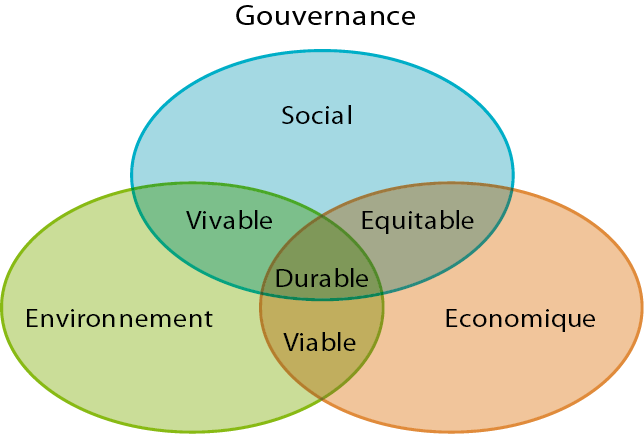



 Gouvernance | Jacques Grisé