Les actionnaires doivent obtenir toute l’information pertinente pour leur permettre d’évaluer l’efficacité de leurs hauts dirigeants et leur permettre de voter en ayant accès aux meilleures informations possibles. C’est la raison pour laquelle la Securities and Exchange Commission (SEC) propose un amendement règlementaire relatif à la rémunération des hauts dirigeants, en rapport avec la performance.
Il est ainsi proposé que la SEC adopte un renforcement des règles de divulgation dans les circulaires de procuration en publiant une table qui révèle la rémunération de la haute direction en relation avec la performance financière de l’entreprise au cours des cinq dernières années.
La divulgation de ces données, sous une forme standardisée, facilitera les comparaisons avec d’autres entreprises cotées du même secteur d’activité.
Le résultat de cette consultation sera déterminante dans les décisions des autorités règlementaires canadiennes.
Le court article ci-dessous est basé sur les vues exprimées par Kara Stein*, commissaire de la U.S. Securities and Exchange. J’ai enlevé les notes de bas de page afin d’alléger le billet mais vous pouvez retrouver l’intégralité de ses propos dans l’article Proposed Rule on Pay Versus Performance, publié dans le Harvard Law School of Corporate Governance.
Executive compensation and its relationship to the performance of a company has been an important issue since the first proxy rules were promulgated by the Commission nearly 80 years ago. The first tabular disclosure of executive compensation appeared in 1943, and over the years, the Commission has continued to update and overhaul the presentation and content of compensation disclosures.
CEO Pay – Humongous
Today [April 29, 2015], the Commission, as directed by Congress, takes another important step in modernizing our executive compensation rules by proposing amendments on pay versus performance. Section 953(a) of the Dodd-Frank Wall Street Reform and Consumer Protection Act directed the Commission to adopt rules requiring public companies to disclose in their proxy materials the relationship between executive compensation actually paid, and the financial performance of the company.
I believe that today’s proposal thoughtfully fulfills that mandate. The net result of the proposed rule should be enhanced pay versus performance disclosure in the proxy statement. It should make it easier for shareholders to locate, understand, and analyze executive compensation information before they have to vote.
The Commission’s current rules require that shareholders receive a proxy statement prior to a shareholder meeting. The proxy statement must disclose all the important facts about the issues on which shareholders may be asked to vote. Today’s proposed rule should provide shareholders, via the proxy statement, meaningful new information and metrics to aid in making informed decisions.
The Senate Report that accompanies Section 953(a) of the statute noted: “It has become apparent that a significant concern of shareholders is the relationship between executive pay and the company’s financial performance…The Committee believes that these disclosures will add to corporate responsibility as firms will have to more clearly disclose and explain executive pay.”
In order “to more clearly disclose and explain executive pay” in this context, the Commission is proposing to use a standardized, machine readable table. This table includes, in one location, easy to understand data regarding the last five years of a company’s financial performance. Financial performance data would be presented directly next to the data detailing the compensation of the company’s executive officers during the last five years.
This simple presentation should make it easier for shareholders to understand the relationship between executive pay and company performance. In addition to providing data on compensation “actually paid” to certain executive officers, the proposed table requires registered companies to include the Summary Compensation Table figures for certain executive officers. Including these numbers in the pay versus performance table is vitally important. It would allow shareholders to view a measure of pay that excludes changes in the value of equity grant awards. Providing two measures of compensation in the table may facilitate meaningful comparison, especially in situations where the “actually paid” figure may be misleading or not reflective of the true compensation package awarded to an executive in a given year.
Comparability is also an important part of the proposal. Requiring each registrant to complete this standardized table should promote comparability across all companies. Each registrant would be required to provide data responsive to the same questions, year after year, with clear direction on exactly what the table requires. This comparability also should promote robust data analysis going forward.
Along with providing data in the table, registrants would provide supplemental disclosure about the relationship between executive compensation and performance. The proposed rule appropriately recognizes that some flexibility may be needed to demonstrate this relationship. For example, registrants may describe the relationship in narrative form or by means of a graph or chart. Registrants would be allowed to describe this relationship in a way that is best suited to their particular circumstances. The combination of a standardized table and a more flexible disclosure following the table is a sensible way to ensure comparability and uniformity, while still providing companies with some appropriate flexibility in disclosure.
Finally, I have been a consistent advocate for data tagging of Commission forms, so I am very pleased to see that pay versus performance disclosure, as proposed, will be tagged in eXtensible Business Reporting Language, or XBRL. The proposed rule sets forth an approach toward incorporating machine readable data for communicating compensation and performance information. XBRL streamlines the collection and reporting of financial information. XBRL data tagging involves a process in which a company essentially marks certain parts of its financial disclosure with specific defined terms from a shared dictionary, referred to as a “taxonomy”. All registrants use the same shared taxonomy, which allows for comparability across companies.
In order to achieve comparability, we need structured data in formats like XBRL. Today’s proposal would represent the first piece of data in the proxy statement to be tagged and is hopefully a harbinger of things to come. We should be moving toward having the entire proxy statement tagged, and this is a great first step.
As the SEC Investor Advisory Committee noted in its recommendation advocating for more data tagging, “modern technology provides the SEC with the opportunity to unlock far greater value from the information that it collects and stores.” I personally believe that tagging the entire proxy statement would unlock great value for both the Commission and shareholders.
The current proposal is to have pay versus performance disclosure tagged in XBRL. It is my hope and expectation that this disclosure would be tagged in Inline XBRL once available, which would allow companies to file the required information and data tags in one document rather than repeated in separate exhibits. I understand that Inline XBRL is not yet available on the SEC’s Electronic Data Gathering Analysis and Retrieval (EDGAR) system, but soon will be. When that day comes, Inline XBRL should be used for pay versus performance and all other parts of the proxy statement.
…
*Kara M. Stein is a Commissioner at the U.S. Securities and Exchange Commission. This post is based on Commissioner Stein’s recent public statement, available here. The views expressed in the post are those of Commissioner Stein and do not necessarily reflect those of the Securities and Exchange Commission, the other Commissioners, or the Staff.
Vous trouverez, ci-dessous, le Bulletin du Collège des administrateurs de sociétés (CAS) du mois de Mai 2015.
Le programme de certification universitaire en gouvernance de sociétés est le seul programme universitaire offert au Québec. Il s’adresse aux administrateurs siégeant à un conseil d’administration et disposant d’une expérience pertinente.
Les administrateurs de sociétés certifiés (ASC) sont regroupés dans la Banque des Administrateurs de sociétés certifiés (ASC),un outil de recherche en ligne mis au point par le Collège, afin de faciliter le recrutement d’administrateurs sur les conseils d’administration.
« Je tiens à souligner l’excellence de la formation offerte par le Collège. Alors que je viens de terminer le dernier module du programme de certification en gouvernance de sociétés, j’en ressors avec les bons outils pour devenir une meilleure administratrice. Le contenu est extrêmement pertinent et cette formation va me suivre longtemps dans mes fonctions. »
Mme Geneviève Marcon
Co-présidente, GM Développement inc. Administratrice, Quebecor inc., Québec international et Fiducie des Augustines
Le 11 avril 2015, les 18 participants du 35e groupe de finissants du Collège complétaient le programme de certification universitaire en gouvernance de sociétés. Ces 18 finissants ont été invités à l’examen du 13 juin, dernière étape avant d’obtenir la désignation d’Administrateur de sociétés certifié (ASC). Les ASC sont regroupés dans la Banque des ASC dotée d’un outil de recherche en ligne afin de faciliter le recrutement d’administrateurs sur les conseils d’administration.
14E CONFÉRENCE INTERNATIONALE DE LA GOUVERNANCE
La Chaire de recherche en gouvernance de sociétés de la Faculté des sciences de l’administration de l’Université Laval sera l’hôte de la 14e Conférence internationale de gouvernance, les 1 et 2 juin 2015, à Québec. La Conférence internationale en gouvernance est l’occasion de réunir les chercheurs et toutes personnes qui s’intéressent à la gouvernance d’entreprises en provenance de partout dans le monde.
Le thème central de l’édition 2015 est « la diversité en gouvernance ». On retrouve cette diversité dans les modèles de gouvernance, la composition des conseils d’administration, la nature des organisations gouvernées, l’encadrement réglementaire ainsi que dans la recherche en gouvernance en termes de champ disciplinaire (gestion, finance, économie, droit, sociologie …), de cadre théorique, et de positionnement méthodologique. Une table ronde sur « la rémunération des dirigeants » marquera officiellement l’ouverture de cette conférence. Détails du programme et inscription [+]
PORTRAIT D’ASC
Le Collège vous présente sa rubrique mensuelle «Portrait d’ASC», réalisée auprès des diplômés du programme de certification en gouvernance de sociétés.
Voici le portrait d’une Administratrice de sociétés certifiée : Mme Noëlla Lavoie
Présidente, Synergie Conseils
Le Collège a remis, le 21 avril dernier, à M. Dominique Clément, président de DClément services-conseils, la bourse AMBAQ-CAS 2015 d’une valeur de 2000 $. Applicable à laformation Gouvernance des PME, cette bourse vise à promouvoir l’importance du développement des compétences des administrateurs et la nécessité d’appuyer les chefs d’entreprise et dirigeants dans la mise en oeuvre de bonnes pratiques de gouvernance.
Ce partenariat solide entre l’Association des MBA du Québec (AMBAQ) et le Collège permettra au lauréat, M. Dominique Clément, de développer ses compétences d’administrateur et de gestionnaire. Par la même occasion, il rencontrera dans le cadre de sa formation des spécialistes du domaine des PME et réfléchira aux pratiques de gouvernance les mieux adaptées et les plus efficaces pour DClément services-conseils, une jeune PME qui a le vent dans les voiles. Ses expériences professionnelles, sa formation académique en gestion et son leadership ont été des éléments significatifs dans la décision du jury pour l’attribution de cette bourse.
La direction du Collège des administrateurs de sociétés tient à remercier les candidats qui ont participé au concours.
Attribuée dans le cadre du concours «Place aux femmes de tête», cette bourse d’une valeur de 3250 $ permettra à la lauréate de suivre la formation «Rôles et responsabilités des administrateurs», qui constitue le premier module du programme de certification universitaire en gouvernance de sociétés offert au Collège. Son expérience professionnelle, ses réalisations personnelles et son implication soutenue au sein de conseils d’administration ont été les éléments significatifs dans la décision du jury de sélection.
La direction du Collège des administrateurs de sociétés tient également à remercier les candidates qui ont participé au concours.
Le Collège vous invite à rejoindre le groupe LinkedIn Administrateurs de sociétés – Gouvernance voué aux discussions et échanges sur le thème de la gouvernance et rassemblant une communauté de plus de 1240 administrateurs et gestionnaires.
Ce billet présente les résultats d’une étude menée par Aaron J. Atkinson and Bradley A. Freelan, associés des pratiques de fusions et acquisitions chez Fasken Martineau Dumoulin, qui porte sur la situation des OPA hostiles au Canada et sur les propositions de changements visées par le processus de consultation des ACVM du règlement 62-105. Vous trouverez, ci-dessous, le sommaire exécutif de la version française de cette étude que vous pourrez télécharger sur le site de Fasken Martineau. Cette étude fait le point sur la situation canadienne et expose 5 conclusions très intéressantes. Bonne lecture !
Au Canada, les façons d’acquérir une société ouverte sont nombreuses. Toutefois, une offre publique d’achat (« OPA ») présentée directement aux actionnaires constitue le seul et unique moyen d’acquérir le contrôle légal de la société sans l’appui ni le consentement de son conseil d’administration. Une telle OPA non sollicitée (ou « hostile ») sert souvent à contourner le conseil de l’émetteur visé pour présenter une offre directement aux actionnaires après l’échec de discussions avec le conseil, une manœuvre qui place par le fait même la société visée « en jeu ».
C’est d’ailleurs cette caractéristique unique des OPA qui alimente un débat aussi nourri au sujet du rôle que doit jouer le conseil d’un émetteur visé et de la portée adéquate de ses pouvoirs pour réagir à une opération qui, fondamentalement, en est une entre l’initiateur et les actionnaires de cet émetteur visé. D’un côté, les lois sur les valeurs mobilières prévoient un rôle essentiellement « consultatif » pour le conseil, qui a alors pour tâche de formuler une recommandation aux actionnaires. D’un autre côté, les lois canadiennes sur les sociétés par actions confèrent au conseil une plus grande latitude dans la gestion des affaires de la société, ce qui, en théorie, et dans les limites de la règle du jugement commercial, permettrait au conseil de tout simplement « refuser » l’offre d’achat pour y mettre fin. Or, on sait qu’en pratique, cette théorie est difficilement applicable.
En réalité, le principal outil à la disposition du conseil pour se prémunir contre une OPA hostile, soit le régime de droits des actionnaires (couramment appelé la « pilule empoisonnée »), comporte un caractère inéluctablement temporaire. En effet, lorsqu’elles ont été appelées à le faire, les autorités de réglementation des valeurs mobilières ont presque toujours rendu inopérants les régimes de droits des actionnaires après un certain temps, ce qui a alors permis à l’initiateur de contourner le conseil et de donner aux actionnaires la possibilité de prendre leur propre décision.
Devant cette situation, certains intervenants du marché sont d’avis que « cette position est plus favorable aux initiateurs qu’aux émetteurs visés et à leurs actionnaires, qu’elle limite le pouvoir discrétionnaire du conseil et des actionnaires et qu’elle ne maximise pas nécessairement la valeur pour ces derniers.
En 2015, les autorités canadiennes en valeurs mobilières diffuseront une proposition afin d’aborder ces préoccupations et de traiter d’autres enjeux, en apportant d’importants changements au régime canadien de réglementation des OPA. Plutôt que d’imposer une limite à la durée des régimes de droits ou aux mesures que peut prendre le conseil d’un émetteur visé, les modifications proposées allongeront considérablement la période pendant laquelle une OPA hostile doit demeurer ouverte, qui passera de 35 à 120 jours, et prévoiront une condition de dépôt minimal correspondant à la majorité des actions de l’émetteur visé. Ainsi, les actionnaires, plutôt que le conseil de l’émetteur visé, continueront d’avoir le dernier mot dans toute OPA.
En vue de contribuer au débat, nous avons mené une analyse empirique de l’ensemble des 143 OPA non sollicitées visant l’acquisition du contrôle légal de sociétés ouvertes canadiennes cotées en bourse au cours de la période de dix ans terminée le 31 décembre 2014. Les parties qui ont lancé ces OPA étaient principalement des initiateurs dits « stratégiques » (90 %), plutôt que des initiateurs « financiers » (10 %), ce qui confirme la croyance populaire voulant que les acquéreurs financiers tendent à éviter la quête très publique du contrôle d’une société en l’absence du soutien de son conseil. Par ailleurs, deux tiers des initiateurs étaient situés au Canada, les autres étant américains (22 %) et étrangers (11 %).
Des 143 OPA analysées, 139 constituaient des courses aux procurations en vue d’acquérir le contrôle légal de la société ciblée. Parmi elles, des offres concurrentes visant une même société ont émergé dans quatre cas. La répartition des émetteurs ciblés reflétait essentiellement, pour la période visée par l’étude, la répartition des émetteurs canadiens cotés en bourse selon le secteur d’activité (à l’exception du secteur des services financiers, lequel était considérablement sous-représenté, possiblement en raison des contraintes réglementaires rigoureuses touchant la propriété de bon nombre des émetteurs de ce secteur) de même que selon la capitalisation boursière (à l’exception des émetteurs à microcapitalisation, qui étaient eux aussi considérablement sous-représentés, possiblement en raison des coûts élevés afférents au lancement d’une OPA en bonne et due forme par rapport à la taille de l’émetteur).
Nombre d’OPA non sollicitées visant le contrôle légal par année de déclenchement de l’OPA (143 OPA)
Parmi les sociétés ciblées, 127 d’entre elles (91 %) ont été ciblées par l’OPA d’un « premier joueur », c’est-à-dire que l’OPA a été lancée en l’absence de toute autre proposition publique d’acquisition. Pour déterminer si le régime canadien de réglementation des OPA favorise les initiateurs, un point de départ logique consiste à évaluer les résultats de telles OPA, puisqu’on peut présumer que, dans la plupart des cas, le conseil de l’émetteur visé ne cherchait pas activement un changement de contrôle lorsque l’initiateur a mis la société « en jeu ». Bien que ce fut le point de départ de notre étude, ce fut loin d’en être la fin.
Une minorité des sociétés ciblées (9 %) proposait publiquement une opération de changement de contrôle lorsque l’OPA hostile a été annoncée, c’est-à-dire que l’initiateur recherchait volontairement une enchère compétitive. Nous avons donc évalué séparément l’impact, s’il en est, de la dynamique de l’enchère sur les résultats. Enfin, bien que l’issue de toute OPA hostile soit le produit de nombreux facteurs, nous avons examiné, autant que possible, l’incidence potentielle de certains facteurs clés dont les parties avaient le contrôle. On pense par exemple à la prime et à la forme de la contrepartie offerte par l’initiateur, à l’adoption d’un régime de droits des actionnaires par la société ciblée, et à la recommandation formulée par le conseil d’administration.
Répartition des émetteurs viséspar secteur d’activité
Notre analyse vise à alimenter le débat actuel et ne prétend pas fournir des réponses définitives. Nous espérons que notre étude sera lue dans cet état d’esprit et, bien entendu, vos commentaires sont les bienvenus.
FAITS SAILLANTS
1. En lançant une opération de prise de contrôle publique, l’initiateur d’une OPA hostile réussissait dans plus de la moitié des cas. Toutefois, un changement de contrôle n’était en aucun cas inévitable.
L’OPA hostile d’un premier joueur a réussi dans 55 % des cas. En tenant compte des OPA contrecarrées par l’arrivée d’un chevalier blanc, c’est plus de 70 % des émetteurs canadiens cotés en bourse qui ont été acquis après avoir été mis « en jeu » par une OPA hostile. En même temps, près de 30 % des émetteurs visés par un initiateur premier joueur ont maintenu leur indépendance. C’est donc dire que la vente de la société n’est d’aucune façon inéluctable. Cependant, le bien-fondé d’une telle issue pour les actionnaires reste à prouver : au premier anniversaire de l’annonce de l’OPA, le titre de plus de 60 % de ces émetteurs visés se négociait à un escompte par rapport au prix définitif offert aux termes de l’OPA.
2. Bien que peu fréquents, les scénarios avec concurrence, lorsqu’ils se sont produits, ont été clairement à l’avantage des actionnaires alors que l’initiateur d’une OPA hostile se retrouvait souvent les mains vides.
Dans une bataille sans concurrent avec l’émetteur visé, l’initiateur a été victorieux dans les deux tiers des cas. En présence de concurrents, l’émetteur visé a été acquis dans 86 % des cas, mais l’acquéreur ultime fut l’initiateur dans seulement 33 % des cas. Mais peu importe la partie victorieuse, les actionnaires ont toujours bénéficié de l’émergence de concurrents, puisque dans de tels cas, la prime définitive offerte par l’initiateur était en moyenne de 76 % (une amélioration de 69 % par rapport à la prime définitive moyenne offerte aux termes des OPA sans concurrence). Bien que les initiateurs aient de bonnes raisons de craindre la concurrence, l’émergence de compétiteurs est demeurée somme toute rare : seules 37 % des OPA ont fait l’objet d’une concurrence.
3. Offrir une somme au comptant ou une prime solide augmentait les chances de réussite d’un initiateur d’OPA hostile. Toutefois, démarrer d’une position de force s’est révélé une formule avantageuse.
Plus des trois quarts de toutes les OPA comportaient une contrepartie au moins partiellement au comptant, et avec raison : en l’absence de compétition, l’initiateur offrant une contrepartie au moins partiellement au comptant avait gain de cause dans 72 % des cas et, en présence de concurrents, l’initiateur qui offrait une contrepartie entièrement au comptant améliorait substantiellement ses chances de succès (42 % contre 17 %). Bien qu’une prime initiale élevée n’ait pas dissuadé la concurrence, une prime de 30 % ou plus a permis à l’initiateur de remporter la mise dans près de 75 % des cas en l’absence de concurrence, et, en présence de concurrence, une prime relative positive était trois fois plus susceptible de faire gagner l’initiateur.
Parmi toutes les stratégies que peut envisager un initiateur pour remporter son OPA, l’acquisition d’une participation importante dans l’émetteur visé et la conclusion de conventions de dépôt avec ses actionnaires se sont révélées gagnantes. Ces stratégies se sont traduites par un taux de succès de 87 % lorsque l’initiateur détenait dès le début une participation de 20 % ou plus dans l’émetteur visé.
4. Les régimes de droits des actionnaires ont démontré leur valeur en permettant de du temps et en favorisant la concurrence.
Les régimes de droits des actionnaires ont permis aux conseils d’administration des émetteurs visés de gagner du temps, en doublant pratiquement, en moyenne, la période minimale de cinq semaines prévue par la loi avant que l’initiateur ne puisse prendre livraison d’actions aux termes de son offre. Ce délai additionnel s’est révélé critique : lorsqu’un initiateur premier joueur se trouvait confronté à une concurrence, cette concurrence a émergé après la fin de la période minimale prévue par la loi dans près de 70 % des cas. Il n’est donc pas surprenant que des concurrents se soient manifestés pour contrer l’initiateur premier joueur deux fois plus souvent lorsque l’émetteur visé avait adopté un régime de droits des actionnaires.
5. L’appui du conseil était un atout précieux : les initiateurs ont réalisé une OPA dans presque tous les cas où ceux-ci avaient obtenu l’appui du conseil d’administration, contrairement à ceux qui n’avaient pas un tel appui, notamment si la recommandation du conseil était plus susceptible d’influer sur le résultat.
Dans les cas où l’initiateur a ultimement obtenu le soutien du conseil d’administration de la société visée, son OPA a réussi dans tous les cas sauf un, soit 98 % du temps. Au contraire, sans l’appui du conseil, les OPA hostiles n’ont réussi que dans 22 % des cas. De plus, la décision du conseil de ne pas appuyer une OPA s’alignait plus fréquemment avec l’issue de l’OPA dans les cas où la recommandation du conseil aurait dû avoir plus d’influence : un alignement de 80 % dans les cas sans concurrence où le régime de droits des actionnaires était toujours en vigueur au moment de la recommandation finale du conseil; un alignement de 83 % lorsque l’actionnariat était moins concentré parmi les initiés, de sorte que le conseil était plus enclin à jouer un rôle de conseiller et de mandataire dans les négociations; et un alignement de 95 % dans le cas d’une OPA entièrement en actions, qui est davantage susceptible de faire les frais d’une critique négative du conseil de l’émetteur visé.
Ce que nous réserve l’avenir
Une OPA hostile demeure une manœuvre relativement peu fréquente au Canada : parmi les quelques 3 700 sociétés ouvertes cotées en bourse au Canada, en moyenne, seulement 14 ont fait l’objet d’une OPA hostile au cours d’une année donnée pendant la période de dix ans visée par l’étude. Cela ne veut pas dire pour autant que le spectre d’une OPA hostile est une menace en l’air. Dans une situation où des parties s’affrontent de façon évidente, si un régime favorisait réellement une partie plutôt qu’un autre et donnait un résultat nettement plus fréquent qu’un autre, le comportement (et le pouvoir de négociation de toutes les parties) sera naturellement influencé.
Les intervenants préoccupés par le fait que le régime actuel favorise les initiateurs plutôt que les émetteurs visés seront sans doute rassurés de savoir que le nouveau régime, s’il est adopté dans sa forme actuelle, devrait conférer un pouvoir accru aux conseils d’administration, en modifiant fondamentalement la dynamique des négociations futures en matière d’OPA, et pourrait faire augmenter l’incidence de la concurrence. D’un autre côté, à la lumière des risques accrus et des coûts potentiels du nouveau régime de réglementation pour les initiateurs, les prochaines années pourraient amener une baisse des OPA non sollicitées et, par le fait même, une baisse du risque même de faire l’objet d’une OPA. Dans la perspective où les réformes réglementaires visent à améliorer la dynamique des offres en conférant aux porteurs de titres un pouvoir de choix accru et en maximisant la valeur pour les actionnaires, cet objectif ne peut être atteint que si les initiateurs d’OPA estiment toujours avoir une chance de succès raisonnable malgré les risques inhérents au lancement d’une OPA.
Le Collège des administrateurs de sociétés présentera son nouveau cours Gouvernance et leadership à la présidence, les 19 et 20 mai prochains à Montréal, afin de répondre à la demande grandissante des administrateurs exerçant une fonction à la présidence d’un conseil d’administration, d’un comité du conseil ou d’un comité consultatif d’une PME.
Précédée d’un test en ligne sur le leadership, cette formation est axée sur la prise de conscience et le développement des habilités relationnelles et politiques qu’exigent les fonctions de présidence. Outre les résultats du test en ligne, des études de cas, une simulation et des témoignages seront aussi au rendez-vous.
Si vous assumez les fonctions de présidence, c’est un cours à ne pas manquer avec notre équipe de sept formateurs de haut calibre! Pour plus d’informations sur les critères d’admission, les objectifs et le contenu : consultez la page Web du cours ou le programme détaillé.
Au plaisir de vous compter parmi nous et nous vous invitons à relayer l’information aux présidents de vos conseils d’administration.
Les personnes intéressées par les nouvelles recherches en gouvernance des entreprises sont invitées à assister au Colloque étudiant en gouvernance de société mardi 14 avril 2015
En partenariat avec la FSA et la Chaire en gouvernance des sociétés, le CÉDÉ organise un colloque étudiant. Les étudiants du cours de Gouvernance de l’entreprise DRT-6056 du professeur Ivan Tchotourian et du cours de Gouvernance des sociétés CTB-7000 du professeur Jean Bédard présenteront lors de cet événement le bilan de travaux de recherche réalisés durant la session d’hiver 2015.
Heure : 8 h 30 à 11 h 30
Lieu : Salon Hermès de la Faculté des sciences de l’administration
Plusieurs OBNL sont à la recherche d’un document présentant les principes les plus importants s’appliquant aux organismes à buts charitables.
Le site ci-dessous vous mènera à une description sommaire des principes de gouvernance qui vous servirons de guide dans la gestion et la surveillance des OBNL de ce type. J’espère que ces informations vous seront utiles.
Vous pouvez également vous procurer le livre The Complete Principles for Good Governance and Ethical Practice.
What are the principles ?
The Principles for Good Governance and Ethical Practice outlines 33 principles of sound practice for charitable organizations and foundations related to legal compliance and public disclosure, effective governance, financial oversight, and responsible fundraising. The Principles should be considered by every charitable organization as a guide for strengthening its effectiveness and accountability. The Principles were developed by the Panel on the Nonprofit Sector in 2007 and updated in 2015 to reflect new circumstances in which the charitable sector functions, and new relationships within and between the sectors.
The Principles Organizational Assessment Tool allows organizations to determine their strengths and weaknesses in the application of the Principles, based on its four key content areas (Legal Compliance and Public Disclosure, Effective Governance, Strong Financial Oversight, and Responsible Fundraising). This probing tool asks not just whether an organization has the requisite policies and practices in place, but also enables an organization to determine the efficacy of those practices. After completing the survey (by content area or in full), organizations will receive a score report for each content area and a link to suggested resources for areas of improvement.
Voici une liste des 33 principes énoncés. Bonne lecture !
Mary Ann Cloyd, responsable du Center for Board Governance de PricewaterhouseCoopers (PwC), vient de publier dans le forum du HLS un important document de référence sur le phénomène de l’activisme des actionnaires.
Son texte présente une excellente vulgarisation des activités conduites par les parties intéressées : Qui, Quoi, Quand et Comment ?
Je vous suggère de lire l’article au complet car il est très bien illustré par l’infographie. Vous trouverez ici un extrait de celui-ci.
“Activism” represents a range of activities by one or more of a publicly traded corporation’s shareholders that are intended to result in some change in the corporation. The activities fall along a spectrum based on the significance of the desired change and the assertiveness of the investors’ activities. On the more aggressive end of the spectrum is hedge fund activism that seeks a significant change to the company’s strategy, financial structure, management, or board. On the other end of the spectrum are one-on-one engagements between shareholders and companies triggered by Dodd-Frank’s “say on pay” advisory vote.
The purpose of this post is to provide an overview of activism along this spectrum: who the activists are, what they want, when they are likely to approach a company, the tactics most likely to be used, how different types of activism along the spectrum cumulate, and ways that companies can both prepare for and respond to each type of activism.
Hedge fund activism
At the most assertive end of the spectrum is hedge fund activism, when an investor, usually a hedge fund or other investor aligned with a hedge fund, seeks to effect a significant change in the company’s strategy.
Background
Some of these activists have been engaged in this type of activity for decades (e.g., Carl Icahn, Nelson Peltz). In the 1980s, these activists frequently sought the breakup of the company—hence their frequent characterization as “corporate raiders.” These activists generally used their own money to obtain a large block of the company’s shares and engage in a proxy contest for control of the board.
In the 1990s, new funds entered this market niche (e.g., Ralph Whitworth’s Relational Investors, Robert Monks’ LENS Fund, John Paulson’s Paulson & Co., and Andrew Shapiro’s Lawndale Capital). These new funds raised money from other investors and used minority board representation (i.e., one or two board seats, rather than a board majority) to influence corporate strategy. While a company breakup was still one of the potential changes sought by these activists, many also sought new executive management, operational efficiencies, or financial restructuring.
Today
During the past decade, the number of activist hedge funds across the globe has dramatically increased, with total assets under management now exceeding $100 billion. Since 2003 (and through May 2014), 275 new activist hedge funds were launched.
Forty-one percent of today’s activist hedge funds focus their activities on North America, and 32% have a focus that spans across global regions. The others focus on specific regions: Asia (15%), Europe (8%), and other regions of the world (4%).
Why?
The goals of today’s activist hedge funds are broad, including all of those historically sought, as well as changes that fall within the category of “capital allocation strategy” (e.g., return of large amounts of reserved cash to investors through stock buybacks or dividends, revisions to the company’s acquisition strategy).
How?
The tactics of these newest activists are also evolving. Many are spending time talking to the company in an effort to negotiate consensus around specific changes intended to unlock value, before pursuing a proxy contest or other more “public” (e.g., media campaign) activities. They may also spend pre-announcement time talking to some of the company’s other shareholders to gauge receptivity to their contemplated changes. Lastly, these activists (along with the companies responding to them) are grappling with the potential impact of high-frequency traders on the identity of the shareholder base that is eligible to vote on proxy matters.
Some contend that hedge fund activism improves a company’s stock price (at least in the short term), operational performance, and other measures of share value (including more disciplined capital investments). Others contend that, over the long term, hedge fund activism increases the company’s share price volatility as well as its leverage, without measurable improvements around cash management or R&D spending.
…
When is a company likely to be the target of activism?
Although each hedge fund activist’s process for identifying targets is proprietary, most share certain broad similarities:
The company has a low market value relative to book value, but is profitable, generally has a well-regarded brand, and has sound operating cash flows and return on assets. Alternatively, the company’s cash reserves exceed both its own historic norms and those of its peers. This is a risk particularly when the market is unclear about the company’s rationale for the large reserve. For multi- business companies, activists are also alert for one or more of the company’s business lines or sectors that are significantly underperforming in its market.
Institutional investors own the vast majority of the company’s outstanding voting stock.
The company’s board composition does not meet all of today’s “best practice” expectations. For example, activists know that other investors may be more likely to support their efforts when the board is perceived as being “stale”—that is, the board has had few new directors over the past three to five years, and most of the existing directors have served for very long periods. Companies that have been repeatedly targeted by non-hedge fund activists are also attractive to some hedge funds who are alert to the cumulative impact of shareholder dissatisfaction.
A company is most likely to be a target of non-hedge fund activism based on a combination of the following factors:
How can a company effectively prepare for—and respond to—an activist campaign?
Prepare
We believe that companies that put themselves in the shoes of an activist will be most able to anticipate, prepare for, and respond to an activist campaign. In our view, there are four key steps that a company and its board should consider before an activist knocks on the door:
Critically evaluate all business lines and market regions. Some activists have reported that when they succeed in getting on a target’s board, one of the first things they notice is that the information the board has been receiving from management is often extremely voluminous and granular, and does not aggregate data in a way that highlights underperforming assets.
Companies (and boards) may want to reassess how the data they review is aggregated and presented. Are revenues and costs of each line of business (including R&D costs) and each market region clearly depicted, so that the P&L of each component of the business strategy can be critically assessed? This assessment should be undertaken in consideration of the possible impact on the company’s segment reporting, and in consultation with the company’s management and likely its independent auditor.
Monitor the company’s ownership and understand the activists. Companies routinely monitor their ownership base for significant shifts, but they may also want to ensure that they know whether activists (of any type) are current shareholders.
Understanding what these shareholders may seek (i.e., understanding their “playbook”) will help the company assess its risk of becoming a target.
Evaluate the “risk factors.” Knowing in advance how an activist might criticize a company allows a company and its board to consider whether to proactively address one or more of the risk factors, which in turn can strengthen its credibility with the company’s overall shareholder base. If multiple risk factors exist, the company can also reduce its risk by addressing just one or two of the higher risk factors.
Even if the company decides not to make any changes based on such an evaluation, going through the deliberative process will help enable company executives and directors to articulate why they believe staying the course is in the best long-term interests of the company and its investors.
Develop an engagement plan that is tailored to the company’s shareholders and the issues that the company faces. If a company identifies areas that may attract the attention of an activist, developing a plan to engage with its other shareholders around these topics can help prepare for—and in some cases may help to avoid—an activist campaign. This is true even if the company decides not to make any changes.
Activists typically expect to engage with both members of management and the board. Accordingly, the engagement plan should prepare for either circumstance.
Whether the company decides to make changes or not, explaining to the company’s most significant shareholders why decisions have been made will help these shareholders better understand how directors are fulfilling their oversight responsibilities, strengthening their confidence that directors are acting in investors’ best long-term interests.
These communications are often most effective when the company has a history of ongoing engagement with its shareholders. Sometimes, depending on the company’s shareholder profile, the company may opt to defer actual execution of this plan until some future event occurs (e.g., an activist in fact approaches the company, or files a Schedule 13d with the SEC, which effectively announces its intent to seek one or more board seats). Preparing the plan, however, enables the company to act quickly when circumstances warrant.
Respond
In responding to an activist’s approach, consider the advice that large institutional investors have shared with us: good ideas can come from anyone. While there may be circumstances that call for more defensive responses to an activist’s campaign (e.g., litigation), in general, we believe the most effective response plans have three components:
Objectively consider the activist’s ideas. By the time an activist first approaches a company, the activist has usually already (a) developed specific proposals for unlocking value at the company, at least in the short term, and (b) discussed (and sometimes consequently revised) these ideas with a select few of the company’s shareholders. Even if these conversations have not occurred by the time the activist first approaches the company, they are likely to occur soon thereafter. The company’s institutional investors generally spend considerable time objectively evaluating the activist’s suggestion—and most investors expect that the company’s executive management and board will be similarly open- minded and deliberate.
Look for areas around which to build consensus. In 2013, 72 of the 90 US board seats won by activists were based on voluntary agreements with the company, rather than via a shareholder vote. This demonstrates that most targeted companies are finding ways to work with activists, avoiding the potentially high costs of proxy contests. Activists are also motivated to reach agreement if possible. If given the option, most activists would prefer to spend as little time as possible to achieve the changes they believe will enhance the value of their investment in the company. While they may continue to own company shares for extensive periods of time, being able to move their attention and energy to their next target helps to boost the returns to their own investors.
Actively engage with the company’s key shareholders to tell the company’s story. An activist will likely be engaging with fellow investors, so it’s important that key shareholders also hear from the company’s management and often the board. In the best case, the company already has established a level of credibility with those shareholders upon which new communications can build. If the company does not believe the activist’s proposed changes are in the best long-term interests of the company and its owners, investors will want to know why—and just as importantly, the process the company used to reach this conclusion. If the activist and company are able to reach an agreement, investors will want to hear that the executives and directors embrace the changes as good for the company. Company leaders that are able to demonstrate to investors that they were part of positive changes, rather than simply had changes thrust upon them, enhance investor confidence in their stewardship.
Epilogue—life after activism
When the activism has concluded—the annual meeting is over, changes have been implemented, or the hedge fund has moved its attention to another target—the risk of additional activism doesn’t go away. Depending on how the company has responded to the activism, the significance of any changes, and the perception of the board’s independence and open-mindedness, the company may again be targeted. Incorporating the “Prepare” analysis into the company’s ongoing processes, conducting periodic self-assessments for risk factors, and engaging in a tailored and focused shareholder engagement program can enhance the company’s resiliency, strengthening its long-term relationship with investors.
Voici un excellent article paru dans la section Business du The New York Times du 28 mars 2015 qui porte sur les appréhensions, relativement injustifiées, des communications (engagement) entre les administrateurs et leurs actionnaires (en dehors des assemblées annuelles).
L’article évoque le manque de communication des Boards américains avec leurs actionnaires et avec les parties prenantes, contrairement à la situation qui prévaut du côté européen. Selon l’auteure, cette grande distance entre les administrateurs et les actionnaires mène aux insatisfactions croissantes de ceux-ci, et cela se reflète dans l’augmentation du nombre d’administrateurs n’obtenant pas le soutien requis lors des assemblées annuelles.
On le sait, les actionnaires des entreprises américaines souhaitent pouvoir faire inscrire leurs propositions dans les circulaires de procuration, notamment pour présenter des candidatures aux postes d’administrateurs.
Il est donc temps de revoir le mode de communication entre les deux acteurs principaux et d’exposer les avantages à collaborer à la gouvernance de l’entreprise. Plusieurs pays européens donnent l’exemple à cet égard.
Ainsi, en Suède et en Norvège, les cinq (5) plus grands actionnaires d’une entreprise reçoivent des invitations à se joindre au comité de gouvernance et de nomination afin de choisir des administrateurs potentiels.
En Europe, les actionnaires ont plus de poids; ceux qui possèdent au moins 1 % de la propriété peuvent soumettre des candidatures pour les postes d’administrateurs. De plus, dans certains pays européens, contrairement à la situation américaine, les administrateurs doivent soumettre leurs démissions s’ils ne reçoivent pas un soutien majoritaire aux élections.
It’s shareholder meeting season again, corporate America’s version of Groundhog Day.
This is the time of year when company directors venture out of the boardroom to encounter the investors they have a duty to serve. After the meetings are over, like so many Punxsutawney Phils, these directors scurry back to their sheltered confines for another year.
This is a bit hyperbolic, of course. But institutional investors argue that there’s a troubling lack of interaction these days between many corporate boards in the United States and their most important investors. They point to contrasting practices in Europe as evidence that it’s time for this to change.
“It’s a very different culture in the U.S.,” said Deborah Gilshan, corporate governance counsel at RPMI Railpen Investments, the sixth-largest pension fund in Britain, which has 20 billion pounds, or about $30 billion, in assets. “In the U.K., we get lots of access to the companies we invest in. In fact, I’ve often wondered why a director wouldn’t want to know directly what a thoughtful shareholder thinks.”
As Ms. Gilshan indicated, directors at European companies routinely make themselves available for investor discussions; in some countries, such meetings are required. Many directors of foreign companies even — gasp — give shareholders their private email addresses and phone numbers.
Their counterparts in the United States seem fearful of such contact. Large shareholders say that some directors of American companies refuse to meet at all, preferring to let company officials speak for them.
Dans ce blogue, j’ai souvent rappelé le rôle fondamental du président du conseil dans le bon fonctionnement des réunions du CA mais aussi dans la mise en œuvre de règles de saine gouvernance.
L’article qui suit, publié par David Ferguson et Chuanchan Ma sur le site de l’Association of Corporate Counsel, insiste sur trois points importants eu égard au rôle légal du président du conseil d’administration (PCA) :
(1) Le comportement du président lors des rencontres du conseil;
(2) Le rôle du PCA eu égard aux règles de gouvernance;
« The chair of the board is responsible for leading the board, facilitating the effective contribution of all directors and promoting constructive and respectful relations between directors and between the board and management. The chair is also responsible for setting the board’s agenda and ensuring that adequate time is available for discussion of all agenda items, in particular strategic issues ».
(3) L’autorité du président du conseil dans le processus de gouvernance.
Je vous invite à lire ce court article afin de mieux comprendre le rôle essentiel d’un président du conseil (PCA).
The constitutions of most companies divide the corporate powers between the board of directors, which is usually given the power to manage the company’s business, and the members, who usually have the power to appoint and remove directors and change the constitution. The powers of the board and members are usually exercised through resolutions passed at a meeting.
This article considers the role of the chair in the context of meetings as well as the broad corporate governance role allocated to an individual director appointed to the role of chair of a public company. This reveals the increased expectations of the role while noting the limited formal powers of the chair.
The chair’s role in meetings
Courts have taken the view that, generally, a meeting can only take place with more than one participant.2 This reflects the fact that “according to the ordinary usage of the English language” that it is not possible for a person to have a meeting with themselves. This is the case even though the one person present holds proxies for others.3 While exceptions to this general position have been identified to enable a meeting of a single holder of a class of shares4 , the general concept of a meeting contemplates discussion between the participants and, for this reason, courts have also held that a meeting of directors or shareholders cannot proceed without a chair.
This indispensable element of any meeting was recognized in Colorado Constructions Pty Ltd v Platus5 where Street J identified that the chair’s role included the setting of the order of business, nomination of the person entitled to speak, putting questions to the meeting, declaring resolutions carried or not carried and declaring the meeting closed. As noted in a subsequent case, “the essence of chairmanship is actually exercising procedural control over the meeting”.6
In carrying out this role, the chair is required to act impartially to ensure that the meeting operates in a fair manner. As observed by Young J in NAB v Market Holdings Pty Ltd (in liq)7 , citing National Dwelling Society v Sykes8:
It is the duty of the chairman, and his functions, to preserve order, and to take care that the proceedings are conducted in a proper manner, that the sense of the meeting is properly ascertained with regard to any question which is properly before the meeting.
The chair’s role in corporate governance
Most public company constitutions provide that the board of directors will elect one of their number to act as chair and that the person elected also acts as chair of general meetings. While the position of chair could be filled on an ad hoc basis, there is a broader corporate governance significance to the role that the chair of a public company plays. This is reflected in the following excerpt from commentary to Recommendation 2.5 of the ASX Corporate Governance Principles and Recommendations:
The chair of the board is responsible for leading the board, facilitating the effective contribution of all directors and promoting constructive and respectful relations between directors and between the board and management. The chair is also responsible for setting the board’s agenda and ensuring that adequate time is available for discussion of all agenda items, in particular strategic issues.
Accordingly, the role of chair in a public company is usually attributed special status and additional remuneration. Although the position can be carried out in different individual styles, the chair often acts as spokesperson for the company on high level matters and usually plays an important link between the board and management of the company. It is worth noting that the ASX Corporate Governance Principles and Recommendations also express the view that the chair should be a non-executive role so as to separate the chair’s role from that of the chief executive officer and the executive management team. This article has been formulated on the assumption that the chair is a nonexecutive director, but a fuller discussion of this issue is beyond its scope.
The allocation of a broader corporate governance role has been recognised as potentially giving rise to a more extensive duty of care and diligence on the part of the chair. As noted by Austin J in reflecting on the duties of the chair of the board of One.Tel Limited:9
The court’s role, in determining liability of a defendant for his conduct as company chairman, is to articulate and apply a standard of care that reflects contemporary community expectations.
Austin J further noted that it is now commonplace to observe that the standard of care expected of company directors, both by the common law (including equity) and under statutory provisions, has been raised over the last century or so, and that “[o]ne might correspondingly expect that the standard for company chairmen has also been raised”.10
The individual requirements of the standard of care owed by the chair of a public company will depend on the allocation of corporate governance roles and responsibilities within the company and the skills and experience of the individual person carrying out the role of chair.11 In this respect, the responsibilities of the chair are not limited to delegated tasks but include the responsibilities with which the chair is entrusted by reason of his or her expertise and experience.12
The authority of the chair
Despite the essential nature of the chair’s role in the context of meetings and the elevated duty of care and diligence that may be attributed to the chair’s role within public companies, a person appointed to that role does not have authority, merely by virtue of that office, to make decisions binding on the company or to give binding directions.13 The board makes its decisions by resolutions which are carried or lost depending on a majority vote. Accordingly, unless the board has delegated powers, the chair has no more power to carry out matters on behalf of a company than any other individual non-executive director.
The chair’s authority in the context of meetings is more robust. Constitutions typically provide that the chair is elected by the board of directors and, in some cases, provide that the chair has a casting vote at meetings of directors and members. Consistent with his or her role in regulating meetings, constitutions also usually provide that the chair of a general meeting can require a vote to be taken by way of a poll and empower the chair to make certain rulings at the meeting.14 Where a company’s constitution provides that rulings by the chair on certain matters are final and the chair makes a ruling on those matters in good faith, there is no right in the meeting to challenge the ruling, although it could be overturned by a court in appropriate circumstances. Even if a decision is made by the chair in connection with the proper conduct of a meeting that does not have the protection of an express constitutional provision, courts have indicated that the decision should be regarded as correct unless the contrary is proved by a person objecting to it.15
If the chair has a casting vote at a meeting, that right must be exercised “honestly and in accordance with what (the chair) believes to be the best interests of those who may be affected by the vote”. Subject to this, the chair is entitled to exercise the casting vote as he or she thinks fit.16 While there has been a view that, because the chair has a duty to maintain impartiality, a casting vote should be used to maintain the status quo so as to allow further discussion of the relevant matter, it is doubtful that this general proposition exists.17
A number of provisions of the Corporations Act 2001 (Cth) also recognize the special status of the chair’s role in meetings. For example, the Corporations Act acknowledges that the chair often receives multiple proxy appointments and therefore imposes an obligation on the chair to vote as proxy on a poll.18 It also gives greater scope for the chair, as compared to other directors, to vote proxies in connection with directors’ remuneration.
Vous trouverez, ci-dessous, un guide complet des pratiques de gouvernance relatives aux entreprises de l’Union Européenne.
Il n’y a pas de version française de ce document à ce stade-ci. J’ai cependant demandé à ecoDa (European Confederation of Directors’ Associations) si un guide en français était en préparation. Toute personne intéressée par la gouvernance européenne trouvera ici un excellent outil d’information.
Bonne lecture !
This publication has been produced in collaboration with the European Confederation of Directors’ Associations (ecoDa) primarily aimed at ecoDa’s membership and for supporting IFC’s work in surrounding regions with countries aspiring to understand and follow rules, standards and practices applied in the EU countries but which may be of wider relevance and interest to practitioners, policy makers, development finance institutions, investors, board directors, business reporters, and others.
The purpose of this publication is twofold: to describe the corporate governance framework within the European Union and to highlight good European governance practices. It focuses on the particular aspects of European governance practices that distinguish this region from other parts of the world.
In addition to providing a useful source of reference, this guide is designed to be relevant to anyone interested in the evolving debate about European corporate governance. It should be of particular interest to the following parties:
Policymakers and corporate governance specialists, to assist in the identification of good practices among the member states. Improvements in corporate governance practices in a country may attract foreign direct investment.
Directors of listed and unlisted companies, to inspire them to look again at their ways of working.
Directors of state-owned enterprises (SOEs), to assist in improving corporate governance practices prior to selling off state assets.
Bankers, to assist in the identification of good corporate governance practices to inform their lending and investing practices.
Staff within development financial institutions, to assist in the identification of good corporate
Proxy advisors and legal advisors, to assist in the identification of corporate governance compliance issues.
Investors, shareholders, stock brokers, and investment advisors, to assist in the identification of good practices in investor engagement and activism.
Senior company management, to assist in the identification of good relationship-management practices with boards of directors.
Journalists and academics within business schools, who are interested in good corporate governance practices.
Private sector and public sector stakeholders from the EU candidate and potential candidate countries in their preparation for eventual accession. Geographical areas of potential readership may include the following in particular:
The 18 Eurozone countries (listed in Appendix A);
The 28 EU member states (Appendix B);
The five EU candidate countries (Appendix C);
The three potential candidate countries
The 47 European Council Countries (Appendix E); and
Emerging markets and others seeking to increase trade or attract investment with European countries.
Cet article est publié par David A. Katzassocié de la firme Wachtell, Lipton, Rosen & Katz, spécialisée dans les questions de fusions et acquisitions ainsi que dans les transactions boursières complexes. Cet article a été publié sur le site du Harvard Law School Forum on Corporate Governance.
L’auteur explique les conséquences inattendues du processus utilisé par les entreprises cotées eu égard à la modification de leurs règlements internes afin de permettre l’inscription des propositions de certains actionnaires dans les circulaires de procuration.
L’on sait que, dans le passé, il y avait beaucoup de réticence à permettre aux actionnaires de soumettre des propositions lors des assemblées annuelles et à proposer des candidatures aux postes d’administrateurs, une initiative réservée au comité de gouvernance.
Cependant, à la suite d’intenses pressions des activistes, plusieurs entreprises ont accepté de soumettre au vote de leurs actionnaires une proposition autorisant les actionnaires majeurs à proposer des administrateurs désignés. Il semble qu’il ne reste que le pourcentage de propriété qui soit en suspend à ce moment-ci : 3% ou 5%.
L’auteur discute des difficultés que ces changements pourraient engendrer, notamment le gaspillage de ressources organisationnelles, les manquements au devoir de fiduciaire, l’isolation des administrateurs désignés, les dysfonctions du CA, les tensions au sein du conseil, etc.
It’s official: Proxy access is the darling of the 2015 season. Shareholder-sponsored proxy access proposals are on the ballots of more than 100 U.S. public companies this spring. These precatory proposals seek a shareholder vote on a binding bylaw that would enable shareholders who meet certain ownership requirements to nominate board candidates and have them included in the company’s own proxy materials.
Powerful institutional investors have given the proxy access movement enormous momentum this spring, and blue chip firms such as GE, Bank of America, and Prudential have voluntarily adopted versions of proxy access in advance of their annual meetings. Companies such as Citigroup have agreed to support proxy access shareholder proposals in their definitive proxy materials. In the absence of regulatory guidance, proxy advisors such as ISS have stepped into the breach to define the terms and conditions of proxy access. As proxy access proposals proliferate—after years of controversy—the primary debate now seems to be whether a 3 percent or 5 percent ownership threshold is more appropriate.
….
Unintended Consequences
The detrimental consequences of proxy access fall into three general categories. First, there are those that occur before and during the proxy solicitation period. These include waste of corporate resources, negative publicity, the impairment of a company’s ability to attract qualified candidates to stand for election as a director, and the undermining of the company’s nominating committee and board leadership. Proxy access could cause tension among shareholders, particularly large shareholders, who disagree in public or private over whether to nominate candidates for inclusion in the proxy, and if so, which ones. It also could cause internal controversy for large shareholders; institutional investors or pension funds, for example, may find themselves pressured by certain constituencies (such as unions) to participate in proxy access for political reasons, while other constituencies support the current board’s direction on substantive grounds. The instability caused by proxy access—like that created by proxy fights—could create significant disruption in a business, as executives, managers, and employees struggle with fear and uncertainty about the future. Damaging effects on hiring, long-range planning, and employee retention can cause lasting harm to a corporation regardless of the election results.
Second, there are those consequences that relate to the composition of the board. Were proxy access to become widespread and effective, a board could become unable to ensure that it would have the necessary expertise (such as the audit committee financial expert mandated by the Sarbanes-Oxley Act or industry specialists) or make progress toward a desired diversity of skills, genders, and backgrounds. Moreover, it could create the potential for distrust and a lack of collegiality that would reduce the board’s effectiveness and distract the company’s management, and it would increase the likelihood of politicization and balkanization of directors into factions with different goals.
Third, there are those consequences that relate to the board’s ability to fulfill its legal duties and obligations. Proxy access directors would owe a duty of loyalty to all shareholders under Delaware law—as all directors do—yet they might feel themselves to be—or be expected or viewed by others to be—beholden to the particular shareholder group that nominated them and pushed for their election. In conjunction with the paramount issue of loyalty, questions of confidentiality, transparency, board committee structure, and board dynamics could arise. Complications familiar from the constituency/blockholder director context likely would be exacerbated if sponsored directors were to reach the board through proxy access. Boards would be addressing these issues in a context of significant uncertainty, both as to the legal questions of fiduciary duty and as to the factual questions of a proxy access director’s allegiance.
If proxy access directors are elected in any meaningful number, boards will be contending with an array of complications that have the potential to impair board functioning in ways that the current debate has not addressed. As the popularity of proxy access reaches a high-water mark this season, shareholders should consider carefully whether they really want what proxy access proponents are asking for. If not, now is the time for them to say so.
Quelles sont les avis émis par les firmes conseil en votation qui servent à évaluer la qualité de la gouvernance des entreprises cotées ? Quels sont les facteurs pris en compte par les actionnaires, les investisseurs institutionnels et les Hedge Funds pour juger de la gouvernance et de la performance globale des sociétés, et pour voter lors des assemblées annuelles des actionnaires ?
Cet article, publié dans Lexology, en collaboration avec l’association des juristes corporatifs, a été rédigé par Dykema Gossett, Robert Murphy, Mark A. Metz et D. Richard McDonald. Les auteurs présentent les recommandations des firmes ISS et Glass Lewis eu égard à des sujets chauds en gouvernance.
Je vous invite à prendre connaissance des mises à jour fournies par ces deux firmes-conseil et accessibles à tous les actionnaires, notamment les recommandations relatives à l’indépendance des présidents de conseils d’administration.
The proxy advisory firms ISS and Glass Lewis, recently announced updates to their respective voting policies for domestic companies for the upcoming 2015 proxy season. These two firms have risen to prominence in recent years, wielding significant power in corporate governance matters, proxy fights and takeover votes. Hedge funds, mutual fund complexes, institutional investors and similar organizations that own shares of multiple companies pay ISS and Glass Lewis to advise them regarding shareholder votes.
The ISS and Glass Lewis policy updates are effective for annual meetings on or after February 1, 2015, and January 1, 2015, respectively. For your convenience, we have summarized below the most important updates relating to corporate governance matters.
Independent Board Chairs
The most notable ISS policy change relates to shareholder proposals that seek to separate the chairman and chief executive officer positions. For the 2015 proxy season, ISS is adding new governance, board leadership and performance factors to its current analytical framework. In this regard, ISS’s policy will continue to generally recommend that shareholders vote “for” independent chair shareholder proposals after consideration in a “holistic manner” of the following factors:
– Scope of the Proposal: Whether the shareholder proposal is binding or merely a recommendation and whether it seeks an immediate change in the chairman role or can be implemented at the next CEO transition.
– Company’s Current Board Leadership Structure: The presence of an executive or non-independent chairman in addition to the CEO, a recent recombination of the role of CEO and chairman, and/or a departure from a structure with an independent chairman.
– Company’s Governance Structure: The overall independence of the board, the independence of key committees, the establishment of governance guidelines, as well as board tenure and its relationship to CEO tenure.
– Company’s Governance Practices: Problematic governance or management issues such as poor compensation practices, material failures of governance and risk oversight, related party transactions or other issues putting director independence at risk will be reviewed as well as corporate or management scandals and actions by management or the board with potential or realized negative impacts on shareholders.
– Company Performance: One-, three- and five-year total shareholder return compared to the company’s peers and the market as a whole.
In view of its new holistic approach in evaluating these types of shareholder proposals, ISS indicates that a “For” or “Against” recommendation will not be determined by any single factor, but that it will consider all positive and negative aspects of the company based on the new expanded list of factors when assessing these proposals.
Glass Lewis generally does not recommend that shareholders vote against CEOs who also serve as chairman of the board of directors, but it encourages clients to support separating the roles of chairman and CEO whenever the issue arises in a proxy statement.
Unilateral Bylaw/Charter Amendments
ISS and Glass Lewis have adopted new policies pursuant to which they will generally issue negative vote recommendations against directors if the board amends the bylaws or charter without shareholder approval in a manner that materially diminishes shareholder rights or otherwise impedes shareholder ability to exercise their rights (“Unilateral Amendments”).
Under the updated policy, if the board adopts a Unilateral Amendment, ISS will generally make a recommendation for an “against” or “withhold” vote on a director individually, the members of a board committee or the entire board (other than new nominees on a case-by-case basis), after considering the following nine factors, as applicable:
– the board’s rationale for adopting the Unilateral Amendment;
– disclosure by the issuer of any significant engagement with shareholders regarding the Unilateral Amendment;
– the level of impairment of shareholders’ rights caused by the Unilateral Amendment;
– the board’s track record with regard to unilateral board action on bylaw and charter amendments and other entrenchment provisions;
– the issuer’s ownership structure;
– the issuer’s existing governance provisions;
– whether the Unilateral Amendment was made prior to or in connection with the issuer’s IPO;
– the timing of the Unilateral Amendment in connection with a significant business development; and
– other factors, as deemed appropriate, that may be relevant to the determination of the impact of the Unilateral Amendment on shareholders.
Glass Lewis has revised its policy to provide that, depending on the circumstances, it will recommend that shareholders vote “against” the chairman of the board’s governance committee, or the entire committee, in instances where a board has amended the company’s governing documents, without shareholder approval, to “reduce or remove important shareholder rights, or to otherwise impede the ability of shareholders to exercise such right” such as:
– the elimination of the ability of shareholders to call a special meeting or to act by written consent;
– an increase to the ownership threshold required by shareholders to call a special meeting;
– an increase to vote requirements for charter or bylaw amendments;
– the adoption of provisions that limit the ability of shareholders to pursue full legal recourse (e.g., bylaws that require arbitration of shareholder claims or “fee-shifting” bylaws);
– the adoption of a classified board structure; and
– the elimination of the ability of shareholders to remove a director without cause.
Equity Plan Proposals
Of particular importance to management are the revised ISS and Glass Lewis policies pertaining to their voting recommendations on company proposals seeking shareholder approval of equity compensation plans. Equity compensation of management remains a central focus of many institutional investors and shareholder activists.
For 2015, ISS adopted a new “scorecard” model, referred to as Equity Plan Scorecard (“EPSC”), that considers a range of positive and negative factors in evaluating equity incentive plan proposals, rather than the current six pass/fail tests focused on cost and certain egregious practices to evaluate such proposals. The total EPSC score will generally determine whether ISS recommends “for” or “against” the proposal.
Under its new policy, ISS will evaluate equity-based compensation plans on a case-by-case basis depending on a combination of certain plan features and equity grant practices, as evaluated by the EPSC factors. The EPSC factors will fall under the following three categories (“EPSC Pillars”):
– Plan Cost (45 percent weighting): The total estimated cost of the company’s equity plans relative to industry/market cap peers. ISS will measure plan cost by using ISS’s Value Transfer Model (SVT) for the company in relation to its peers. The SVT calculation assesses the amount of shareholders’ equity flowing out of the company to employees and directors.
– Plan Features (20 percent weighting): The presence or absence of provisions in the plan providing for (i) automatic single-triggered award vesting upon a change in control; (ii) discretionary vesting authority; (iii) liberal share recycling on various award types; and (iv) minimum vesting period for grants made under the plan.
– Grant Practices (35 percent weighting): The issuer’s recent grant practices under the proposed plan and all other plans including (i) the company’s three-year burn rate relative to its industry/market cap peers; (ii) vesting requirements in most recent CEO equity grants (three-year lookback); (iii) the estimated duration of the plan based on the sum of shares remaining available and the new shares requested, divided by the average annual shares granted in the prior three years; (iv) the proportion of the CEO’s most recent equity grants/awards subject to performance conditions; (v) whether the company maintains a clawback policy; and (vi) whether the company has established post exercise/vesting share-holding requirements.
In its updated voting policy, ISS will generally recommend voting “against” the plan proposal if the combination of the factors listed above in the EPSC Pillars indicates that the plan is not, overall, in the shareholders’ interests, or if any of the following apply:
– awards may vest in connection with a liberal change-of-control definition;
– the plan would permit repricing or cash buyout of underwater options without shareholder approval (either by expressly permitting it – for NYSE and Nasdaq listed companies – or by not prohibiting it when the company has a history of prepricing – for non-listed companies);
– the plan is a vehicle for “problematic pay practices” or a “pay-for-performance disconnect;” or
– any other plan features are determined to have a “significant negative impact on shareholder interests.”
Political Contributions
In recent years, many issuers have received shareholder proposals seeking reports or other disclosure regarding political contributions, including lobbying and political activities. Under the updated policy on political contribution shareholder proposals, ISS will generally recommend that shareholders vote “for” proposals requesting greater disclosure of a company’s political contributions and trade association spending policies and activities, after considering:
– the company’s policies as well as management and board oversight related to its direct political contributions and payments to trade associations or other groups that may be used for political purposes;
– the company’s disclosure regarding its support of, and participation in, trade associations or other groups where it makes political contributions; and
– recent significant controversies, fines or litigation related to the company’s political contributions or political activities.
Practical Considerations
Despite the policy changes discussed above, public companies should continue to tailor their individual governance policies with a view towards what is in the long-term best interests of their own shareholders as opposed to meeting the ISS and Glass Lewis guidelines. ISS notes that its 2015 policy is intended to address the recent substantial increase in bylaw/charter amendments that adversely impact shareholder rights without being subject to a shareholder vote. Companies that intend to adopt any corporate governance policies that adversely impact shareholder rights should consider seeking shareholder support before implementing such policies, if a negative ISS or Glass Lewis recommendation on re-election of directors is likely to have a material effect on the election.
Companies should review last year’s proxy compensation and governance disclosures in order to make improvements in this year’s disclosures where appropriate – particularly if the company has received comments on this disclosure from the SEC staff. The failure to address a previous year’s staff comment may provoke a more detailed review by the staff, with its attendant time delays, should it be noticed during the staff’s initial screening of the filing.
Companies should also review their corporate governance and compensation practices for potential vulnerabilities under ISS’ policy updates, such as equity compensation plans that may be up for a vote at the next annual meeting or an independent chair shareholder proposal, and decide what action, if any, to take in light of this assessment.
Companies should continue a regular dialogue with key investors, bearing in mind limitations imposed by the SEC on proxy solicitations. Shareholder engagement efforts should continue to focus on what shareholders’ greatest concerns are and the rationale for board action.
Vous trouverez, ci-dessous, une référence à un article publié par Alon Brav, professeur de finance à l’Université Duke, Amil Dasgupta du département de finance de la London School of Economics et Richmond Mathews du département de finance de l’Université du Maryland, et paru dans le Harvard Law School Forum on Corporate Governance.
Dans cet article, qui intéressera certainement les administrateurs préoccupés par les interventions croissantes des actionnaires activistes, les auteurs mettent en évidence les tactiques des Hedge Funds dans la « coopération » de divers groupes d’activistes, menée par un leader de la coalition (« la meute »).
L’étude montre comment plusieurs activistes peuvent s’allier « informellement » pour coordonner leur attaque d’une entreprise cible.
Ce phénomène est relativement récent mais on peut imaginer un développement accru de l’utilisation de ces manœuvres dans le contexte règlementaire actuel.
Bonne lecture ! Vos commentaires sont toujours les bienvenus.
In our paper Wolf Pack Activism, which was recently made publicly available on SSRN, we provide a model analyzing a prominent and controversial governance tactic used by activist hedge funds. The tactic involves multiple hedge funds or other activist investors congregating around a target, with one acting as a “lead” activist and others as peripheral activists. This has been colorfully dubbed the “wolf pack” tactic by market observers. The use of wolf packs has intensified in recent years and has attracted a great deal of attention. Indeed, a recent post on this forum described 2014 as “the year of the wolf pack”.
The formation of a wolf pack may enable activist hedge funds to gain the significant influence that they appear to wield in target firms with relatively small holdings: According to recent research, the median stake of activist hedge funds at the initiation of an activist campaign is only 6.3%. Yet, the process by which a wolf pack form appears to be subtle, for at least two reasons. First, wolf pack activity appears to be ostensibly uncoordinated—i.e., no formal coalition is formed—a fact that is usually attributed to an attempt by the funds to circumvent the requirement for group filing under Regulation 13D when governance activities are coalitional (e.g., Briggs 2006). Second, wolf packs appear to form dynamically: Writing in this forum in 2009, Nathan describes the process of wolf pack formation as follows: “The market’s knowledge of the formation of a wolf pack (either through word of mouth or public announcement of a destabilization campaign by the lead wolf pack member) often leads to additional activist funds entering the fray against the target corporation, resulting in a rapid (and often outcome determinative) change in composition of the target’s shareholder base seemingly overnight.”
The subtle nature of wolf pack formation, combined with the prominence of this tactic, raises some questions of key importance to corporate governance: How can formally uncoordinated dynamic wolf pack activity work? What role does the lead activist play? What is the role of the peripheral wolf pack members? How do leaders and followers influence each other?
Our model addresses these questions. We consider multiple activists of different sizes: One large and many small. There is one lead activist who is as large as several small activists taken together and is better informed than the small activists. Our model involves two key components. The first component is a static model of “engagement” by activist investors, which may be interpreted to include talking with target management, making public statements, sponsoring and voting on proxy proposals etc. Successful engagement naturally involves a collective action problem: Engagement can only succeed if there is enough pressure on management, given the underlying fundamentals of the firm. To capture this collective action problem, we build on methodology for analyzing asymmetric coordination problems in Corsetti, Dasgupta, Morris, and Shin (2004). The second component is a dynamic model of block-building which anticipates the subsequent engagement process. A key aspect of our analysis is that the ownership structure of the target firm (the total activist stake and the size-distribution of activists) is endogenous and determines the success of activism, given firm fundamentals.
We first show that the concentration of skill and capital matters: holding constant total activist ownership, the presence of a lead activist improves the coordination of wolf pack members in the engagement game, leading to a higher probability of successful activism. This occurs solely because the lead activist’s presence implicitly helps the smaller activists to coordinate their efforts and become more aggressive at engaging the target, since in our model there is no overt communication among the activists and they all act simultaneously. An implication of this result is that, even when a significant number of shares are held by potential activists, the arrival of a “lead” activist who holds a larger block may be a necessary catalyst for a successful campaign, which is consistent with the activist strategies that are well documented in the empirical literature.
We next show the beneficial effect of the presence of small activists on a lead activist’s decision to buy shares in the target. In particular, the larger is the wolf pack of small activists the lead activist can expect to exist at the time of the campaign, the more likely it is that buying a stake will be profitable given the activist’s opportunity cost of tying up capital. Importantly, the expected wolf pack size consists of both small activists that already own stakes, and those that can be expected to purchase a stake after observing the lead activist’s purchase decision.
We also examine the dynamics of optimal purchase decisions by small activists. We find that the acquisition of a position by the large activist (in effect, a 13D filing) precipitates the immediate entry of a significant additional number of small activists. While these activists know about the potential for activism at the firm before the lead activist buys in, other attractive uses of funds keep them from committing capital to the firm before they are sure that a lead activist will emerge. Others with lower opportunity costs may be willing to buy in earlier, as the real (but smaller) chance of successful engagement in the absence of a lead activist provides sufficient potential returns. Thus, our model predicts that late entrants to activism will be those who have relatively higher opportunity costs of tying up capital. One potential way to interpret this is that more concentrated, smaller, and more “specialized” vehicles (such as other activist funds) may be more inclined to acquire a stake only after the filing of a 13D by a lead activist.
Voici une liste des billets en gouvernance les plus populaires publiés sur mon blogue en 2014.
Cette liste constitue, en quelque sorte, un sondage de l’intérêt manifesté par des dizaines de milliers de personnes sur différents thèmes de la gouvernance des sociétés. On y retrouve des points de vue bien étayés sur des sujets d’actualité relatifs aux conseils d’administration.
Les dix (10) articles les plus lus du Blogue en gouvernance ont fait l’objet de plus de 1 0 000 visites.
Que retrouve-t-on dans ce blogue et quels en sont les objectifs ?
Ce blogue fait l’inventaire des documents les plus pertinents et récents en gouvernance des entreprises. La sélection des billets est le résultat d’une veille assidue des articles de revue, des blogues et sites web dans le domaine de la gouvernance, des publications scientifiques et professionnelles, des études et autres rapports portant sur la gouvernance des sociétés, au Canada et dans d’autres pays, notamment aux États-Unis, au Royaume-Uni, en France, en Europe, et en Australie.
Je fais un choix parmi l’ensemble des publications récentes et pertinentes et je commente brièvement la publication. L’objectif de ce blogue est d’être la référence en matière de documentation en gouvernance dans le monde francophone, en fournissant au lecteur une mine de renseignements récents (les billets quotidiens) ainsi qu’un outil de recherche simple et facile à utiliser pour répertorier les publications en fonction des catégories les plus pertinentes.
Quelques statistiques à propos du blogue Gouvernance | Jacques Grisé
Ce blogue a été initié le 15 juillet 2011 et, à date, il a accueilli plus de 125 000 visiteurs. Le blogue a progressé de manière tout à fait remarquable et, au 31 décembre 2014, il était fréquenté par plus de 5 000 visiteurs par mois. Depuis le début, j’ai œuvré à la publication de 1 097 billets.
En 2015, on estime qu’environ 5 500 personnes par mois visiteront le blogue afin de s’informer sur diverses questions de gouvernance. À ce rythme, on peut penser qu’environ 70 000 personnes visiteront le site du blogue en 2015.
On note que 44 % des billets sont partagés par l’intermédiaire de LinkedIn et 44 % par différents engins de recherche. Les autres réseaux sociaux (Twitter, Facebook et Tumblr) se partagent 13 % des références.
Voici un aperçu du nombre de visiteurs par pays :
Canada (64 %)
France, Suisse, Belgique (20 %)
Magreb (Maroc, Tunisie, Algérie) (5 %)
Autres pays de l’Union Européenne (2 %)
États-Unis (2 %)
Autres pays de provenance (7 %)
En 2014, le blogue Gouvernance | Jacques Grisé a été inscrit dans deux catégories distinctes du concours canadien Made in Blog (MiB Awards) : Business et Marketing et médias sociaux. Le blogue a été retenu parmi les dix (10) finalistes à l’échelle canadienne dans chacune de ces catégories, le seul en gouvernance.
Vos commentaires sont toujours grandement appréciés. Je réponds toujours à ceux-ci.
Aujourd’hui, je vous propose la lecture d’un récent article, paru dans Harvard Business Review, sous la plume de Dominic Barton* et Mark Wiseman*, qui traite d’un sujet assez brûlant : l’incompétence de plusieurs conseils d’administration.
Les auteurs font le constat que, malgré les nombreuses réformes règlementaires effectuées depuis Enron, plusieurs « Boards » sont dysfonctionnels, sinon carrément incompétents !
En effet, une étude de McKinsey montre que seulement 22 % des administrateurs comprennent comment leur firme crée de la valeur; uniquement 16 % des administrateurs comprennent vraiment la dynamique de l’industrie dans laquelle leur société œuvre.
L’article avance même que l’industrie de l’activisme existe parce que les « Boards » sont inadéquatement équipés pour répondre aux intérêts des actionnaires !
Je vous invite à lire cet article provocateur. Voici un extrait de l’introduction. Qu’en pensez-vous ?
Boards aren’t working. It’s been more than a decade since the first wave of post-Enron regulatory reforms, and despite a host of guidelines from independent watchdogs such as the International Corporate Governance Network, most boards aren’t delivering on their core mission: providing strong oversight and strategic support for management’s efforts to create long-term value. This isn’t just our opinion. Directors also believe boards are falling short, our research suggests.
A mere 34% of the 772 directors surveyed by McKinsey in 2013 agreed that the boards on which they served fully comprehended their companies’ strategies. Only 22% said their boards were completely aware of how their firms created value, and just 16% claimed that their boards had a strong understanding of the dynamics of their firms’ industries.
More recently, in March 2014, McKinsey and the Canada Pension Plan Investment Board (CPPIB) asked 604 C-suite executives and directors around the world which source of pressure was most responsible for their organizations’ overemphasis on short-term financial results and underemphasis on long-term value creation. The most frequent response, cited by 47% of those surveyed, was the company’s board. An even higher percentage (74%) of the 47 respondents who identified themselves as sitting directors on public company boards pointed the finger at themselves.
Voici un article de Michel Nadeau, ex vice-président de la Caisse de dépôt et placement et directeur général de l’Institut sur la gouvernance (IGOPP), paru dans le Devoir récemment.
L’auteur se questionne, tout comme moi d’ailleurs, sur le processus d’embauche du PDG d’Hydro-Québec et sur la tentation, très réelle, de procéder à une nomination partisane !
Le point de vue de M. Nadeau est tout à fait pertinent eu égard à gouvernance des sociétés d’État.
Il était rafraîchissant d’entendre le ministre de l’Énergie et des Ressources naturelles, M. Pierre Arcand, terminer mercredi matin une entrevue chez Marie-France Bazzo en déclarant : « Je vais laisser le conseil d’administration faire le travail et c’est à lui de faire des recommandations quant au successeur de M. Vandal. » Photo: Hydro-Québec
La tentation est toujours très forte dans les cabinets politiques à Québec de passer outre les normes de bonne gouvernance et de sortir un p.-d.g. d’un chapeau partisan. Tout individu a droit à ses convictions politiques, mais l’essentiel est qu’il remplisse les critères de compétence et de crédibilité selon le mandat. À ce chapitre, le premier ministre, M. Philippe Couillard, n’a pas fait vivre un grand moment de gouvernance au Québec en confiant récemment la présidence du conseil d’administration et du comité de gouvernance d’Hydro-Québec à une personne qui n’a aucune expérience dans la gestion du CA d’une grande organisation. Cela étant dit, il faut maintenant faire confiance à M. Michael Penner.
Comme l’indique l’article 11.6 de sa Loi, le conseil d’administration a déjà établi le profil de compétence et d’expérience du candidat recherché….
…
Le ministre l’a dit : ce n’est pas un choix politique. Le comité des ressources humaines devra trouver le meilleur candidat en interne ou à l’externe sans se gêner pour regarder à l’international. Le CA, qui compte une bonne moitié de gens expérimentés, peut relever ce défi. Les administrateurs pourraient se précipiter sur le bottin de l’Ordre des ingénieurs en cherchant un dirigeant intègre et honnête. Malgré le flou accusateur des audiences de la commission Charbonneau, ce profil peut encore se trouver. Mais rappelons-nous que le marché de l’énergie a beaucoup changé et que l’époque de la construction de grands barrages dans les milliards de dollars et les régions lointaines est, pour le moment, chose du passé. Au cours des prochaines années, la priorité sera davantage la gestion serrée des actifs actuels de 73 milliards et un contrôle rigoureux de l’utilisation des revenus de 13 milliards. Les usagers veulent des gestionnaires intelligents… Pas juste des compteurs !
Cette nomination sera un indicateur du sérieux de ce gouvernement dans la gouvernance et la gestion du plus important outil de développement économique et industriel du Québec.
Ivan Tchotourian*, professeur en droit des affaires à l’Université Laval, vient de publier un ouvrage dans la collection du Centre d’Études en Droit Économique (CÉDÉ). Cet ouvrage aborde la gouvernance d’entreprise et les devoirs des administrateurs.
Intitulé « Devoir de prudence et de diligence des administrateurs et RSE : Approche comparative et prospective », ce livre analyse les liens entre les devoirs des administrateurs et la responsabilité sociale des entreprises (RSE).
L’interrogation centrale qu’aborde cette publication est de savoir ce qu’on attend aujourd’hui d’un administrateur de société prudent et diligent. De nos jours, une réflexion s’impose sur la prudence et la diligence dont doit faire preuve chaque administrateur. Après avoir exposé le devoir de prudence et de diligence des administrateurs dans ce qui fait son histoire et son actualité, les auteurs offrent une vision prospective sur le devenir de cette norme de conduite au tournant du XXe siècle faisant place à une responsabilisation croissante des sociétés par actions.
Dans cet ouvrage, les auteurs s’interrogent de manière innovante sur le contenu du devoir de prudence et de diligence au regard de l’émergence des préoccupations liées à la RSE. Sous l’influence de facteurs macro juridiques et micro juridiques, la norme de conduite prudente et diligente des administrateurs évolue. La norme d’aujourd’hui ne sera sans doute plus celle de demain, encore faut-il pleinement en saisir les implications juridiques.
A priori, cet ouvrage devrait intéresser un certain nombre de lecteurs en gouvernance. En voici un bref aperçu :
La responsabilité sociale des entreprises et le développement durable sont devenus des objectifs tant politiques qu’économiques conférant de nouvelles attentes vis-à-vis du comportement des entreprises. Ces dernières détenant un pouvoir considérable, chacune de leurs décisions a des implications sur l’économie, l’emploi, l’environnement et la communauté locale. Au vu de ces observations, la norme de prudence et de diligence doit faire l’objet d’une attention renouvelée par les juristes non seulement dans ce qu’elle est aujourd’hui au Québec, au Canada et ailleurs, mais encore dans ce qu’elle se prépare à être dans un proche avenir.
Cet ouvrage s’intéresse à cette question en deux temps. La première partie de l’ouvrage détaille le devoir de gestion intelligente des administrateurs de sociétés dans une approche de droit comparé. La deuxième partie de l’ouvrage trace les grandes lignes de la norme de prudence et de diligence du XXI e siècle. En conclusion, l’auteur présente quelques réflexions prospectives.
Aperçu de la table des matières
Chapitre 1 – Introduction
Chapitre 2 – La norme de prudence et de diligence d’aujourd’hui
Prolégomènes sur le statut juridique des administrateurs
La norme de prudence et de diligence : des premières esquisses à l’ère des codifications
Contenu et régime du devoir de prudence et de diligence
Discussion autour de l’existence d’un recours judiciaire au profit du tiers
Chapitre 3 – La norme de prudence et de diligence de demain
*Ivan Tchotourian, professeur en droit des affaires, codirecteur du Centre d’Études en Droit Économique (CÉDÉ), membre du Groupe de recherche en droit des services financiers (www.grdsf.ulaval.ca), Faculté de droit, Université Laval.
Aujourd’hui, je vous réfère à un formidable compte rendu de l’évolution de la gouvernance aux États-Unis en 2015.
C’est certainement le document le plus exhaustif que je connaisse eu égard au futur de la gouvernance corporative. Cet article rédigé par Holly J. Gregory* associée et responsable de la gouvernance corporative et de la rémunération des dirigeants de la firme Sidley Austin LLP, a été publié sur le forum de la Harvard Law School (HLS).
L’article est assez long mais les spécialistes de toutes les questions de gouvernance y trouveront leur compte car c’est un document phare. On y traite des sujets suivants:
1. L’impact des règlementations sur le rôle de la gouvernance;
2. Les tensions entre l’atteinte de résultats à court terme et les investissements à long terme;
3. L’impact de l’activisme sur le comportement des CA et sur la création de valeur;
4. Les réactions de protection et de défense des CA, notamment en modifiant les règlements de l’entreprise;
5. L’influence et le pouvoir des firmes spécialisées en votation;
6. La démarcation entre la supervision (oversight) de la direction et le management;
7. Les activités de règlementation, d’implantation et de suivi;
8. Le rétablissement de la confiance du public envers les entreprises.
Je vous invite donc à lire cet article dont voici un extrait de la première partie.
Bonne lecture ! Vos commentaires sont les bienvenus.
The balance of power between shareholders and boards of directors is central to the U.S. public corporation’s success as an engine of economic growth, job creation and innovation. Yet that balance is under significant and increasing strain. In 2015, we expect to see continued growth in shareholder activism and engagement, as well as in the influence of shareholder initiatives, including advisory proposals and votes. Time will tell whether, over the long term, tipping the balance to greater shareholder influence will prove beneficial for corporations, their shareholders and our economy at large. In the near term, there is reason to question whether increased shareholder influence on matters that the law has traditionally apportioned to the board is at the expense of other values that are key to the sustainability of healthy corporations.
…..
Governance Roles and Responsibilities
Over the past 15 years, two distinct theories have been advanced to explain corporate governance failures: too little active and objective board involvement and too little accountability to shareholders. The former finds expression in the Sarbanes-Oxley Act’s emphasis on improving board attention to financial reporting and compliance, and related Securities and Exchange Commission (“SEC”) and listing rules on independent audit committees and director and committee independence and function generally. The latter is expressed by the Dodd-Frank Act’s focus on providing greater influence to shareholders through advisory say on pay votes and access to the company’s proxy machinery for nomination by shareholders of director candidates.
The emerging question is whether federal law and regulation (and related influences) are altering the balance that state law provides between the role of shareholders and the role of the board, and if so, whether that alteration is beneficial or harmful. State law places the management and direction of the corporation firmly in the hands of the board of directors. This legal empowerment of the board—and implicit rejection of governance by shareholder referendum—goes hand in hand with the limited liability that shareholders enjoy. Under state law, directors may not delegate or defer to shareholders as to matters reserved by law for the board, even where a majority of shareholders express a clear preference for a specific outcome. Concern about appropriate balance in shareholder and board roles is implicated by the increasingly coercive nature—given the influence and policies of proxy advisory firms—of federally-mandated advisory say on pay proposals and advisory shareholder proposals submitted under Securities Exchange Act Rule 14a-8 on other matters that do not fall within shareholder decision rights. The extent of proxy advisory firm influence is linked, at least in part, to the manner in which the SEC regulates registered investment advisors.
Short-Term Returns vs. Long-Term Investment
Management has long reported significant pressures to focus on short-term results at the expense of the long-term investment needed to position the corporation for the long term. Observers point to short-term financial market pressures which have increased with the rise of institutional investors whose investment managers have incentives to focus on quarterly performance in relation to benchmark and competing funds.
Short-term pressures may also be accentuated by the increasing reliance on stock-based executive compensation. It is estimated that the percentage of stock-based compensation has tripled since the early nineties: in 1993, approximately 20 percent of executive compensation was stock-based. Today, it is about 60 percent.
Boards that should be positioned to help management take the long-term view and balance competing interests are also under pressure from financial and governance focused shareholder activism. Both forms of activism are supported by proxy advisors that favor some degree of change in board composition and tend to have fairly defined—some would say rigid—views of governance practices.
Shareholder Activism and Its Value
As fiduciaries acting in the best interests of the company and its shareholders, directors must make independent and objective judgments. While it is prudent for boards to understand and consider the range of shareholder concerns and views represented in the shareholder constituency, shareholder engagement has its limits: The board must make its own independent judgment and may not simply defer to the wishes of shareholders. While activist shareholders often bring a valuable perspective, they may press for changes to suit particular special interests or short-term goals that may not be in the company’s long-term interests.
Governance Activism
Shareholder pressure for greater rights and influence through advisory shareholder proposals are expected to continue in the 2015 proxy season. A study of trends from the 2014 proxy season in Fortune 250 companies by James R. Copland and Margaret M. O’Keefe, Proxy Monitor 2014: A Report on Corporate Governance and Shareholder Activism (available at www.proxymonitor.org), suggests that the focus of most shareholder proposal activity does not relate to concerns that are broadly held by the majority of shareholders:
Shareholder support for shareholder proposals is down, with only four percent garnering majority support, down from seven percent in 2013.
A small group of shareholders dominates the shareholder-proposal process. One-third of all shareholder proposals are sponsored by three persons and members of their families and another 28 percent of proposals are sponsored by investors with an avowed social, religious or public-policy focus.
Forty-eight percent of 2014 proposals at Fortune 250 companies related to social or political concerns. However, only one out of these 136 proposals received majority support, and that solitary passing proposal was one that the board had supported.
Institutional Shareholders Services Inc. (“ISS”) is far more likely to recommend in favor of shareholder proposals than the average investor is to support them.
Nonetheless, the universe of shareholder proposals included in corporate proxy statements pursuant to Rule 14a-8 has grown significantly over the years. In addition, the coercive power of advisory shareholder proposals has expanded as a result of the policy of proxy advisors to recommend that their clients vote against the re-election of directors who fail to implement advisory shareholder proposals that receive a majority of votes cast. Directors should carefully assess the reasons underlying shareholder efforts to use advisory proposals to influence the company’s strategic direction or otherwise change the board’s approach to matters such as CEO compensation and succession, risk management, governance structures and environmental and social issues. Shareholder viewpoints provide an important data set, but must be understood in the context of the corporation’s best interest rather than the single lens of one particular constituency.
….
__________________________________
*Holly J. Gregory is a partner and co-global coordinator of the Corporate Governance and Executive Compensation group at Sidley Austin LLP.
Dans ce document de Deloitte, intitulé « un état de changement », j’attire votre attention sur deux sections qui sont importantes pour les gestionnaires d’OBNL :
(1) La communication de l’information sur les avantages sociaux futurs par les organismes sans but lucratif;
(2) L’améliorations des normes pour les organismes sans but lucratif – un rapport présentant les commentaires sur les 15 principes clés relatifs à la comptabilité des OBNL privées et publiques.
Le Conseil des normes comptables du Canada (CNC) et le Conseil sur la comptabilité dans le secteur public (CCSP) sont responsables des suite à donner à la consultation menée depuis plus d’un an.
Bonne lecture ! Vos commentaires sont les bienvenus.
Pour l’instant, l’orientation qui sera adoptée par les organismes de normalisation est incertaine compte tenu des commentaires reçus et des principes proposés à l’origine dans l’énoncé de principes. Restez à l’affût des renseignements qui suivront, car les Conseils collaborent en vue d’améliorer l’orientation future des normes comptables pour les organismes sans but lucratif! Si vous souhaitez prendre connaissance de certains ou de tous les commentaires reçus à l’égard de l’énoncé de principes, visitez le site Web des Normes d’information financière et de certification (www.nifccanada.ca).
Voici une mise à jour importante de la firme ISS concernant les recommandations liées aux propositions des actionnaires susceptibles d’être incluses dans les circulaires de procuration des entreprises.
Carol Bowieresponsable de la recherche à Institutional Shareholder Services Inc. (ISS) présente les arguments qui sous-tendent ce changement de politique. Ainsi, ISS se prononcera en faveur de l’inclusion des propositions des actionnaires dans les circulaires de procuration en autant qu’un certain nombre de limites soient respectées :
1. Exigences en ce qui a trait à la limite de propriété – maximum de 3 % du pouvoir de votation;
2. Exigences en ce qui a trait à la durée continue de la propriété – pas plus de 3 ans;
3. Exigences relatives au nombre d’actionnaires requis pour former un groupe éligible à la proposition de recommandations – pas de limite au nombre d’actionnaires requis;
4. Exigences relatives au nombre de nominations – maximum de 25 % des membres du CA.
Je vous invite à lire le texte ci-dessous pour avoir plus de détails sur l’ensemble des recommandation de ISS paru sur le Harvard Law Scool Forum on Corporate Governance.
1. How will ISS recommend on proxy access proposals?
Drawing on the U.S. Securities and Exchange Commission’s (SEC) decades-long effort to draft a market-wide rule allowing investors to place director nominees on corporate ballots, and reflecting feedback from a broad range of institutional investors and their portfolio companies, ISS is updating its policy on proxy access to generally align with the SEC’s formulation.
Old Recommendation: ISS supports proxy access as an important shareholder right, one that is complementary to other best-practice corporate governance features. However, in the absence of a uniform standard, proposals to enact proxy access may vary widely; as such, ISS is not setting forth specific parameters at this time and will take a case-by-case approach when evaluating these proposals.
Vote case-by-case on proposals to enact proxy access, taking into account, among other factors:
Company-specific factors; and
Proposal-specific factors, including:
The ownership thresholds proposed in the resolution (i.e., percentage and duration);
The maximum proportion of directors that shareholders may nominate each year; and
The method of determining which nominations should appear on the ballot if multiple shareholders submit nominations.
New Recommendation: ISS will generally recommend in favor of management and shareholder proposals for proxy access with the following provisions:
Ownership threshold: maximum requirement not more than three percent (3%) of the voting power;
Ownership duration: maximum requirement not longer than three (3) years of continuous ownership for each member of the nominating group;
Aggregation: minimal or no limits on the number of shareholders permitted to form a nominating group;
Cap: cap on nominees of generally twenty-five percent (25%) of the board.
Review for reasonableness any other restrictions on the right of proxy access.
Generally recommend a vote against proposals that are more restrictive than these guidelines.
Rationale for update:
Vested with clear legal authority by the Dodd-Frank Act, the SEC adopted a proxy access rule (Rule 14a-11) in August 2010 that provided a thoughtful balance of a number of factors including the ownership threshold and the holding period duration. The DC Circuit Court vacated the rule in July 2011 based on its findings of procedural deficiencies in the SEC’s rulemaking process. ISS’ earlier policy, updated for the 2012 proxy season, largely focused on attempts by shareholder proposal proponents to lower the safeguards against abuse (for example, an extremely low ownership threshold) of the access right that the SEC’s formulation addressed. As such, the policy sought to maintain the balance that the SEC struck between protecting shareholders’ rights and the potential abuse of the access process. Three years of voting results on both management- and shareholder-sponsored proxy access proposals drawing on the Commission’s model appear to validate the SEC’s formulation. Moreover, a 2014 CFA Institute study provides a cost-benefit analysis, which the court said was lacking in the SEC’s rulemaking process, and concludes that “proxy access would serve as a useful tool for shareowners in the United States and would ultimately benefit both the markets and corporate boardrooms, with little cost or disruption to companies and the markets as a whole.”
For companies that present both a board and shareholder proxy access proposals on the ballot, ISS will review each of them under the policy.
Exclusion of Shareholder Proposals
2. What are ISS’ expectations regarding whether a company includes a shareholder proposal on its ballot?
The ability of qualifying shareholders to include their properly presented proposals in a company’s proxy materials is a fundamental right of share ownership, which is deeply rooted in state law and the federal securities statutes. Shareholder proposals promote engagement and debate in an efficient and cost-effective fashion.
Over the course of the past several decades, the SEC has played the role of referee in resolving disputes raised by corporate challenges to the inclusion of shareholder proposals in company proxy materials. While federal courts provide an additional level of review, the vast majority of shareholder proposal challenges have been resolved without the need to resort to costly and cumbersome litigation. While individual proponents and issuers often disagree with the SEC’s determinations in these adversarial proceedings, the governance community recognizes the Commission’s important role as an impartial arbiter of these disputes.
On Jan 16, 2015, the SEC announced that it was reviewing Rule 14a-8(i)(9), which allows companies to exclude a shareholder proposal that “directly conflicts” with a board-sponsored proposal. Additionally, SEC Chair Mary Jo White indicated that for proxy season 2015, the Commission’s Division of Corporation Finance will express no view on the application of Rule 14a-8(i)(9). As a result, companies that intended to seek no-action relief on that basis are now deciding their courses of action.
For companies that present both a board and shareholder proposal on the ballot on a similar topic, ISS will review each of them under the applicable policy.
ISS will view attempts to circumvent the normal avenues of dispute resolution and appeal with a high degree of skepticism. Omitting shareholder proposals without obtaining regulatory or judicial relief risks litigation against the company. Presenting only a management proposal on the ballot also limits governance discourse by preventing shareholders from considering an opposing viewpoint, and only allowing them to consider and opine on the view of management.
Thus, under our governance failures policy, ISS will generally recommend a vote against one or more directors (individual directors, certain committee members, or the entire board based on case-specific facts and circumstances), if a company omits from its ballot a properly submitted shareholder proposal when it has not obtained:
1) voluntary withdrawal of the proposal by the proponent;
2) no-action relief from the SEC; or
3) a U.S. District Court ruling that it can exclude the proposal from its ballot.
The recommendation against directors in this circumstance is regardless of whether there is a board-sponsored proposal on the same topic on the ballot. If the company has taken unilateral steps to implement the proposal, however, the degree to which the proposal is implemented, and any material restrictions added to it, will factor into the assessment.
3. Does the Unilateral Bylaw/Charter Amendments policy create a new approach for ISS?
No. ISS has a long history of recommending its clients oppose directors who adopt, without obtaining shareholder approval, bylaw or charter amendments that materially diminish shareholder rights. Such unilateral board actions were covered under ISS’ Governance Failures policy, but due to a recent increase in their occurrence, as of 2015 ISS separated these actions into a standalone policy to increase transparency to clients and issuers, and to facilitate the application of custom clients’ policies.
The Governance Failures policy is designed to recognize one-off egregious actions that are not covered under other policies. If a type of corporate action that disadvantages shareholders becomes commonplace, ISS will often address such problematic practice via a standalone policy. In 2014, the three most common categories of conduct addressed under this policy were:
…
4. Which types of unilateral bylaw/charter amendments are likely to be considered by ISS to materially diminish shareholders’ rights?
If a unilaterally adopted amendment is deemed materially adverse to shareholder rights, ISS will recommend a vote against the board.
Unilaterally adopted bylaw amendments that are considered on a case-by-case basis, but generally are not considered materially adverse:
….
In assessing bylaw and charter changes at pre-IPO companies, ISS will consider the timing of the adoption of the provisions that diminish post-IPO shareholders rights, the clarity of disclosures of such changes (including in the company’s prospectus or other documents connected to the public offering) and the continuity of board membership.
5. How likely is ISS to support management proposals for fee-shifting bylaws?
As of early February 2015, approximately 50 bylaws allowing fee shifting have been adopted unilaterally, with none put to a shareholder vote. Our Litigation Rights policy states:
Generally vote against bylaws that mandate fee-shifting whenever plaintiffs are not completely successful on the merits (i.e., in cases where the plaintiffs are partially successful).



 « Je tiens à souligner l’excellence de la formation offerte par le Collège. Alors que je viens de terminer le dernier module du programme de certification en gouvernance de sociétés, j’en ressors avec les bons outils pour devenir une meilleure administratrice. Le contenu est extrêmement pertinent et cette formation va me suivre longtemps dans mes fonctions. »


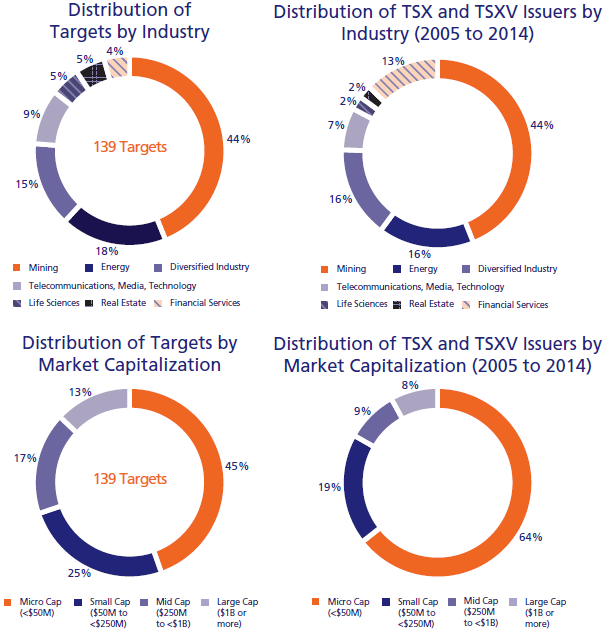


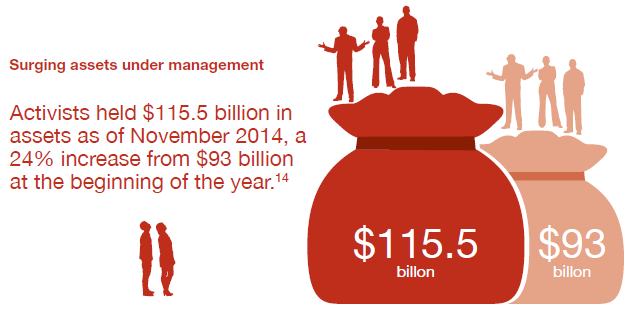
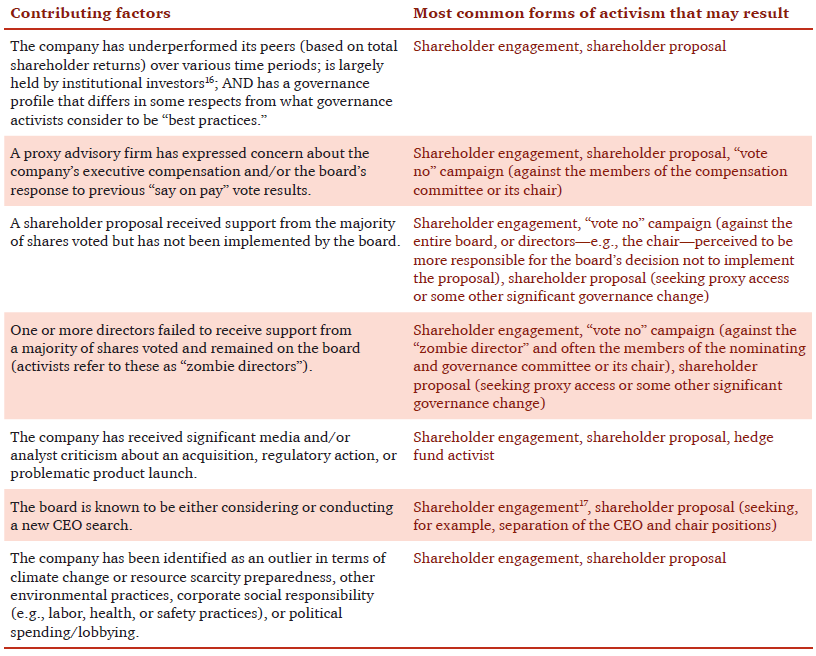







 A mere 34% of the 772 directors surveyed by



 Gouvernance | Jacques Grisé